Researchers mapped 1,250 aging-associated genes onto the human interactome (over 500,000 protein interactions) and discovered these genes cluster in specific network neighborhoods linked to aging hallmarks. Screening 6,442 approved drugs against those neighborhoods produced prioritized repurposing candidates — including oxymetazoline and aspirin — that warrant experimental follow-up. The study provides a data-driven roadmap for selecting drugs to test in cells and animals but does not claim any proven cure for aging.
Existing Medicines Could Slow Aspects of Aging — New Network Map Narrows Top Candidates

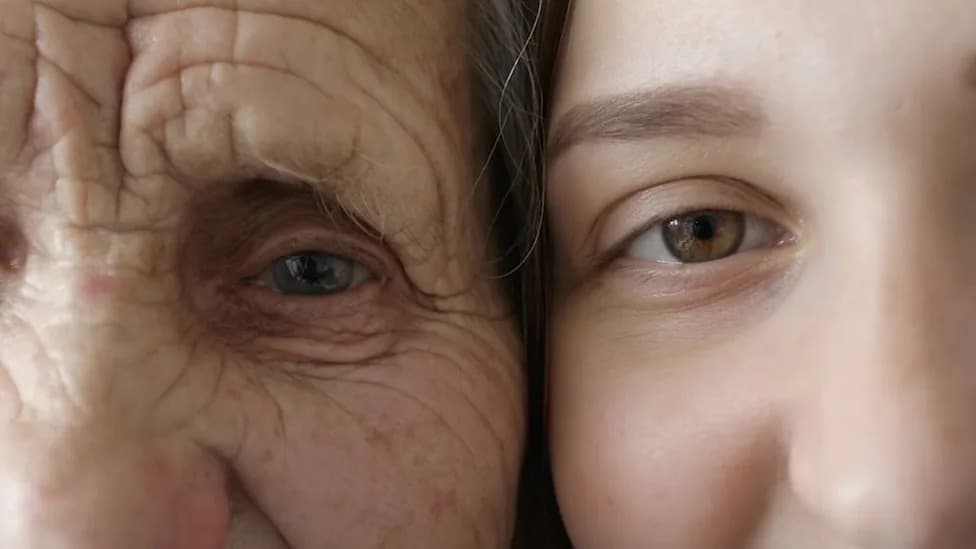
(Ksenia Yakovleva/Unsplash)
Researchers from Northeastern University and Harvard Medical School have developed a network-based framework that helps identify existing drugs that may slow aspects of biological aging. Published in Nature Aging, the study maps genes tied to aging onto the human protein interaction network and screens thousands of approved medications to find promising repurposing candidates.
How the method works
The team started with 1,250 genes previously linked to one or more recognized hallmarks of aging. They placed those genes on the human interactome — a comprehensive map of proteins and their interactions that contains more than half a million connections — and found that aging-related genes cluster in specific neighborhoods rather than being scattered randomly.
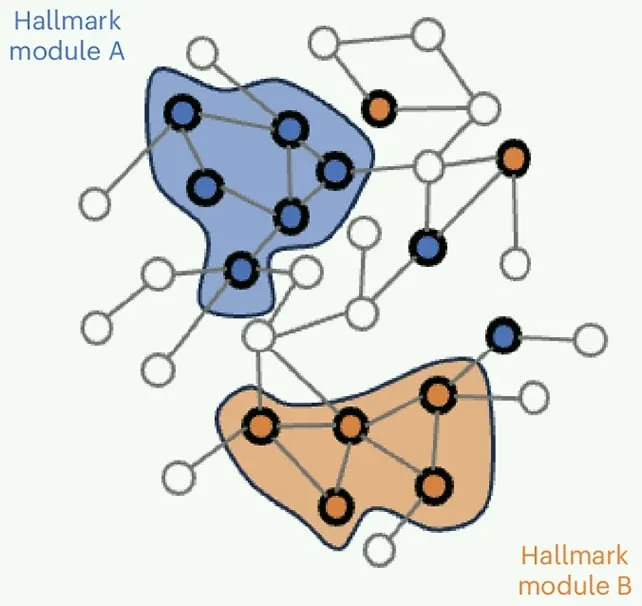
The researchers found genes related to aging hallmarks were clustered together on a map of protein interactions. (Gross et al.,Nat. Aging, 2026)
“If the genes were spread randomly, there is no way for a drug to specifically affect it because it’s spread all over,”
said network scientist Bnaya Gross of Northeastern University.
These concentrated clusters align with different aging hallmarks (for example, declining cellular energy or impaired intercellular communication). Where clusters overlap, a single drug may plausibly influence multiple aging processes, making those neighborhoods attractive targets for repurposing.
Screening approved drugs
Next, the researchers compared those gene neighborhoods against a pharmaceutical database of 6,442 approved medications. They introduced a scoring metric to rank drugs not only by whether they interact with the relevant genes and proteins, but also by whether the drug’s molecular effects are likely to slow — or potentially accelerate — aging-related signatures.
YouTube Thumbnail
That analysis highlighted several candidates for follow-up. One surprising hit was oxymetazoline, an over-the-counter decongestant found in nasal sprays (brands such as Afrin and Sinex), some eye-drop formulas, and topical creams for rosacea. The network model suggested oxymetazoline could improve cell-to-cell communication — a function that typically declines with age and undermines many biological systems. The study also flagged familiar compounds such as aspirin, which has already been investigated for potential anti-aging effects.
“Ultimately, our findings underscore the potential of leveraging the extensive hallmark-associated genetic evidence to identify drug-repurposing candidates for healthy longevity,”
the authors wrote in their paper.
What this does — and does not — mean
The authors stress that the study does not prove any drug will extend human lifespan or provide a cure for aging. Instead, it provides a prioritized, biologically informed roadmap for selecting drugs worthy of further testing in cells, animal models and, if justified, human clinical trials.

Subscribe to ScienceAlert's free fact-checked newsletter
Because aging and age-related diseases arise from multiple, interacting processes, effective interventions will likely need to target several pathways simultaneously. Network-based approaches like this one help reveal which approved drugs affect which aging-related neighborhoods — and why — potentially accelerating the path from candidate identification to experimental validation.
Next steps: Experimental follow-up is required to verify whether the predicted effects hold in laboratory and animal studies, to determine appropriate dosing and delivery, and to assess safety if a drug is repurposed for aging-related uses.
Study: Gross et al., Nature Aging (2026). Reporting and editing for the original article were carried out by ScienceAlert.
Help us improve.