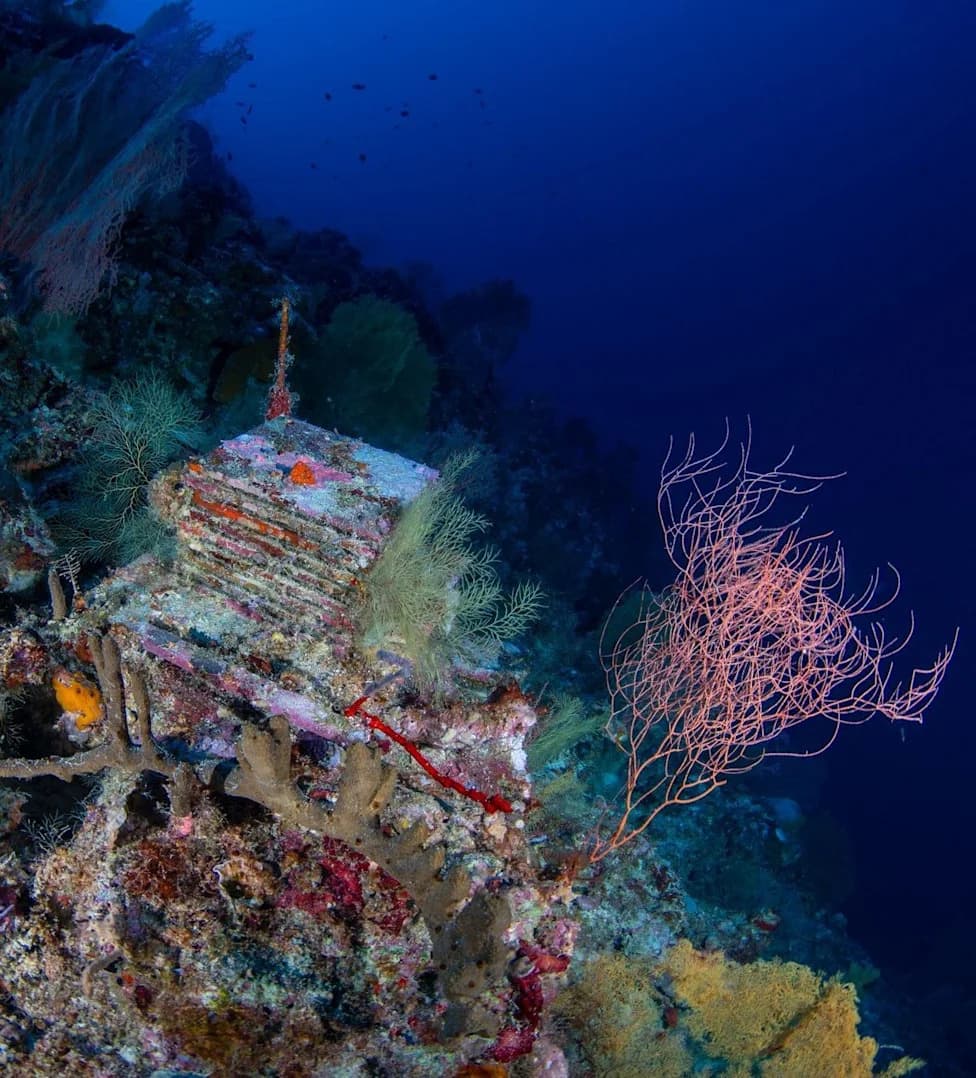
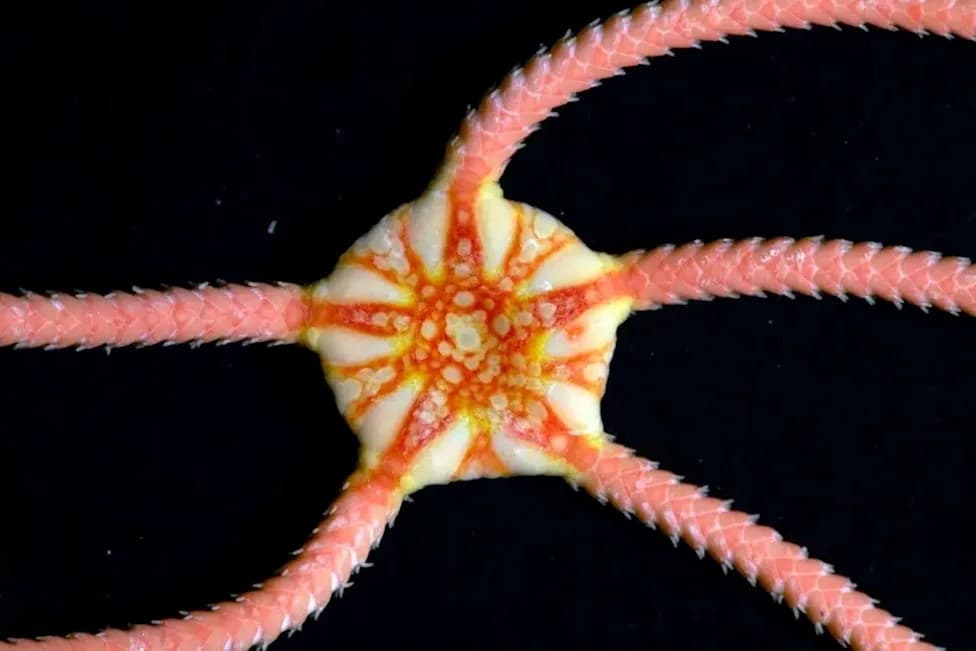
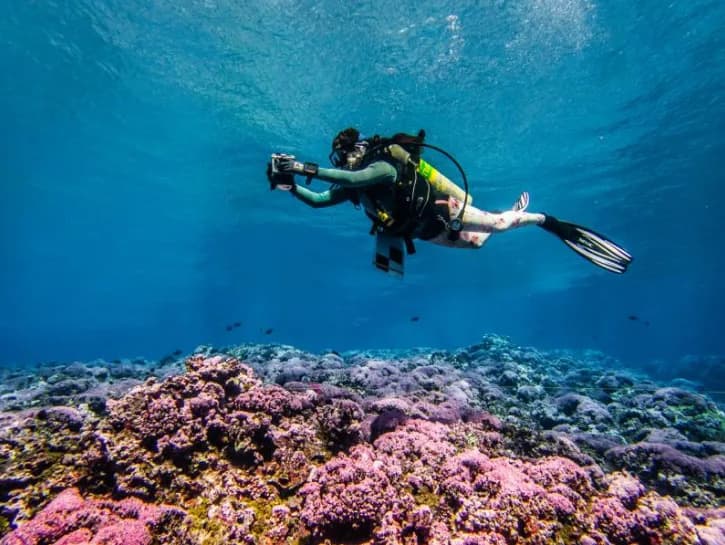
Scientists using sonar and underwater drones have rediscovered a living mesophotic coral ecosystem off Benin more than 164 ft (50 m) deep. Imagery shows at least eight coral types and eight fish species, though coral IDs remain provisional until sampled. The reef may extend up to ~25 miles (40 km) and its documentation could affect fisheries management and conservation planning.
Underwater Drones Rediscover Living Coral Reef Off Benin — Teeming With Fish and Corals
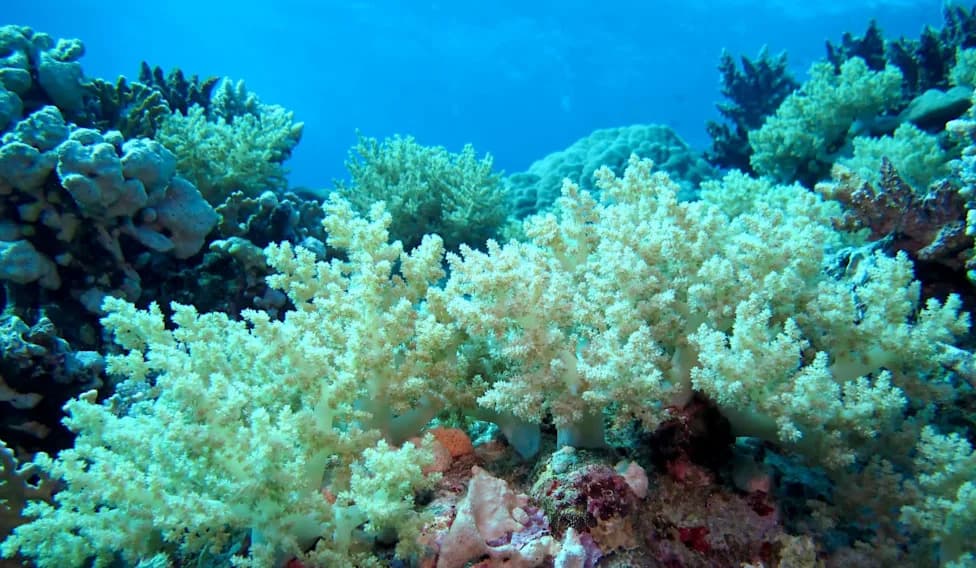
Photo Credit: iStock
Scientists have rediscovered a coral reef off Benin that was long assumed dead. Guided by survey records from the 1960s, a research team scanned roughly 7.1 miles (11.5 km) of seabed with sonar and investigated two promising targets using an underwater drone and a Deep Sea Camera System. The footage and images indicate a healthy mesophotic coral ecosystem — a deeper, lower-light reef habitat — more than 164 ft (50 m) below the surface.
What researchers found
- Video and still images show a living mesophotic coral habitat containing at least eight coral types and eight fish species.
- Observed fish include golden African snapper, blackbar soldierfish, Guinean angelfish, West African goatfish, Monrovia doctorfish, three-banded butterflyfish and two damselfish species.
Context and significance
Lead author Gérard Zinzindohoué of the Institut de Recherches Halieutiques et Océanologiques du Bénin, whose team published the work in Frontiers in Marine Science, described the moment of discovery as “a big moment for us, because suddenly we could actually see the seafloor.” The find is notable because parts of West Africa’s offshore environment remain poorly studied; as Zinzindohoué adds, “To our knowledge, this is the first confirmed record of a living mesophotic coral ecosystem on the Gulf of Guinea continental shelf.”
Limits and next steps
The team has not yet taken direct coral samples, so species identifications are provisional and will require laboratory confirmation. It is also unknown whether the reef was dead in the 1960s and later recovered, or whether previous surveys simply missed living patches. Historical accounts suggest the system may extend roughly 25 miles (40 km) parallel to the coast, but only a small section has been surveyed so far.
Broader implications
Finding undocumented reef habitat has direct conservation and management implications: uncharted reefs can be overlooked in fishing regulations, coastal development and habitat protection plans. The discovery also highlights how modern tools — sonar mapping, underwater drones and deep-sea imaging — are revealing ecosystems that were once effectively invisible, giving managers better information to protect biodiversity and fisheries.
“For me, the most exciting part is understanding the reef’s history and what it can tell us about how the ocean in this region has changed over time. It feels like we have only just started to read an archive that has been there for a very long time.” — Gérard Zinzindohoué
The researchers plan follow-up fieldwork including dives and coral sampling to confirm species, assess reef health, and search nearby rocky areas for additional living coral patches.
Help us improve.