In mid-July nearly 30 bottlenose dolphins were found beached along Cape Cod. Rescue teams located 19 live animals across three sites and attached satellite tags to two survivors. Tracking later showed the separated groups reuniting; by Wednesday the tagged dolphins were about two miles northwest of Sandy Neck Beach in Barnstable with an estimated reunited pod of ~22 dolphins. Experts continue to monitor the pod, and the public is urged to contact trained responders rather than attempt to refloat stranded animals.
Cape Cod Dolphins Reunite After Mass Stranding — Survivors Tracked to Deeper Water
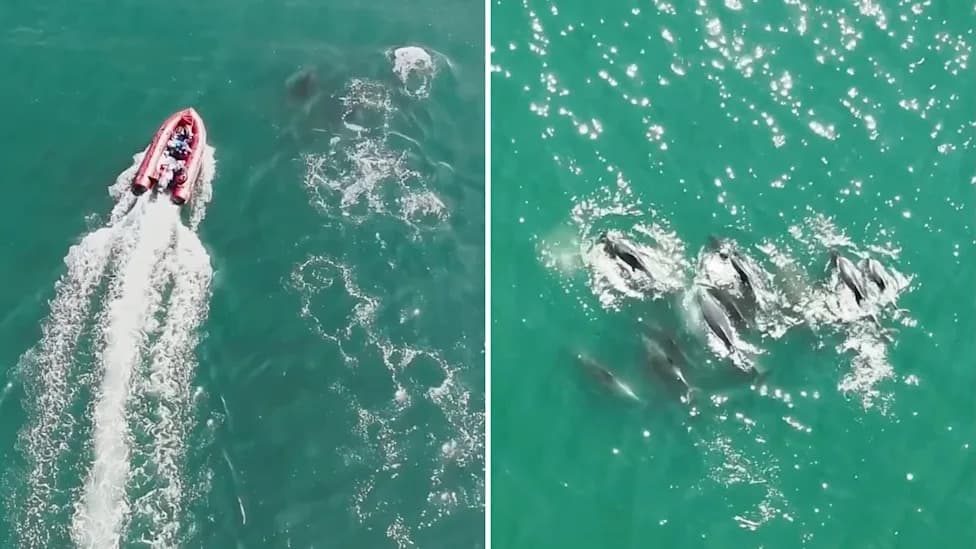
Photo Credit: IFAW
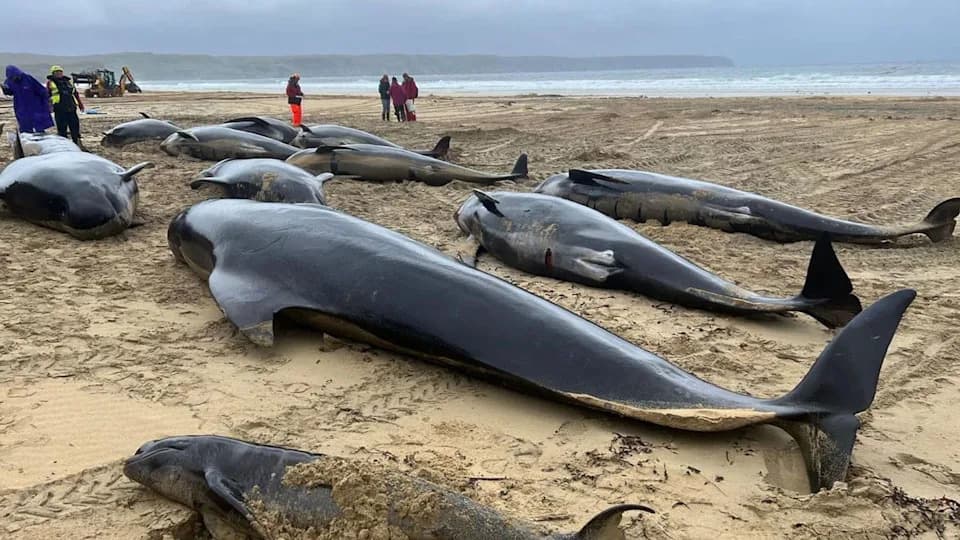
In mid-July, rescuers responded to nearly 30 stranded bottlenose dolphins along Cape Cod, Massachusetts. Teams from the International Fund for Animal Welfare (IFAW) and partner responders were called to Brewster on July 13 after reports that dolphins were beached along a roughly nine-mile stretch of coastline.
Responders located 19 live dolphins scattered across three separate sites. Some animals refloated as the tide rose, but several died before crews could reach them. Rescuers described the situation as time-sensitive: Cape Cod's extreme tidal fluctuations and broad, shallow flats make this area a known global hotspot for mass strandings.
Satellite Tags Show Groups Rejoining
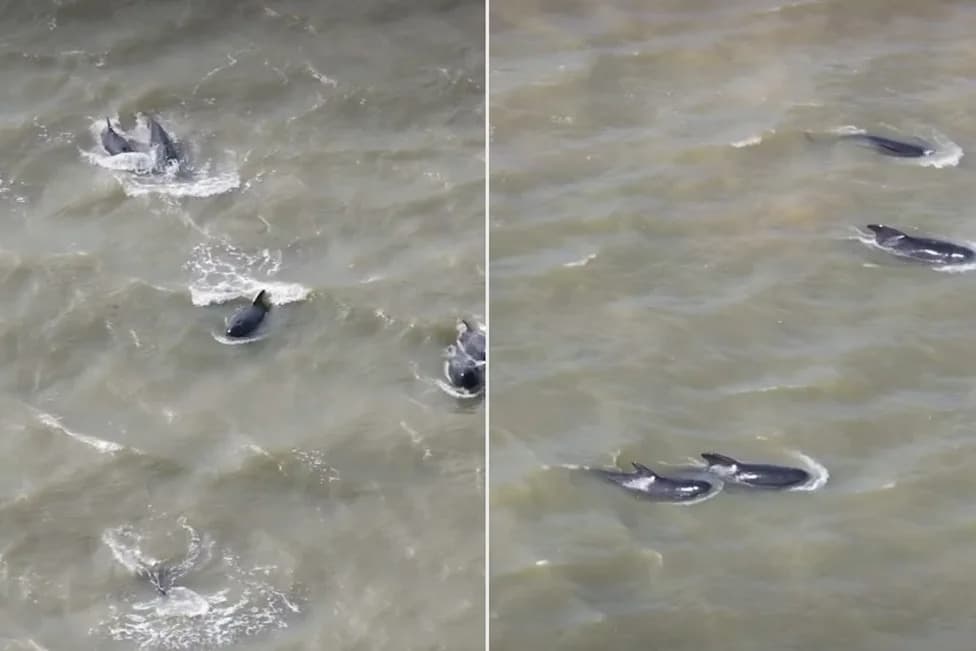
Before the survivors moved off, teams attached satellite tags to two dolphins to monitor their movements. Subsequent tracking showed previously separated groups coming back together. By Wednesday, the tagged dolphins were about two miles northwest of Sandy Neck Beach in Barnstable, swimming in deeper water with a reunited pod estimated at roughly 22 animals.
Experts are continuing satellite monitoring to assess whether the pod remains stable following the rescue. The response was carried out under a federal stranding agreement between IFAW and the National Marine Fisheries Service (NOAA Fisheries) and under the protections of the Marine Mammal Protection Act.
IFAW: "Similar to a person involved in a car accident, dolphins can become injured and exhausted during a stranding event and should never be pushed or dragged back into the water. Members of the public who encounter a stranded or distressed marine mammal should keep a safe distance and contact trained rescue experts through our IFAW Stranding Hotline."
If you encounter a stranded marine mammal, do not attempt to push or drag it back to sea. Instead, keep a safe distance, shelter the animal from direct sun if possible, limit noise and crowds, and contact local wildlife authorities or an established stranding hotline so trained responders can provide proper care.
Help us improve.