AI is expanding from workplaces into homes, evolving from reactive tools into persistent companions that remember, anticipate and adapt to household routines. Profiles and reporting show families using voice assistants, chatbots and specialized AI agents for chores, schooling and emotional support. Surveys report broad parental and teen use, but experts warn that privacy, data collection and developmental impacts — especially for adolescents — remain unresolved. The core tension: the home may become AI's most intimate and least regulated environment.
When AI Moves In: How Smart Technology Is Becoming Part of the American Family

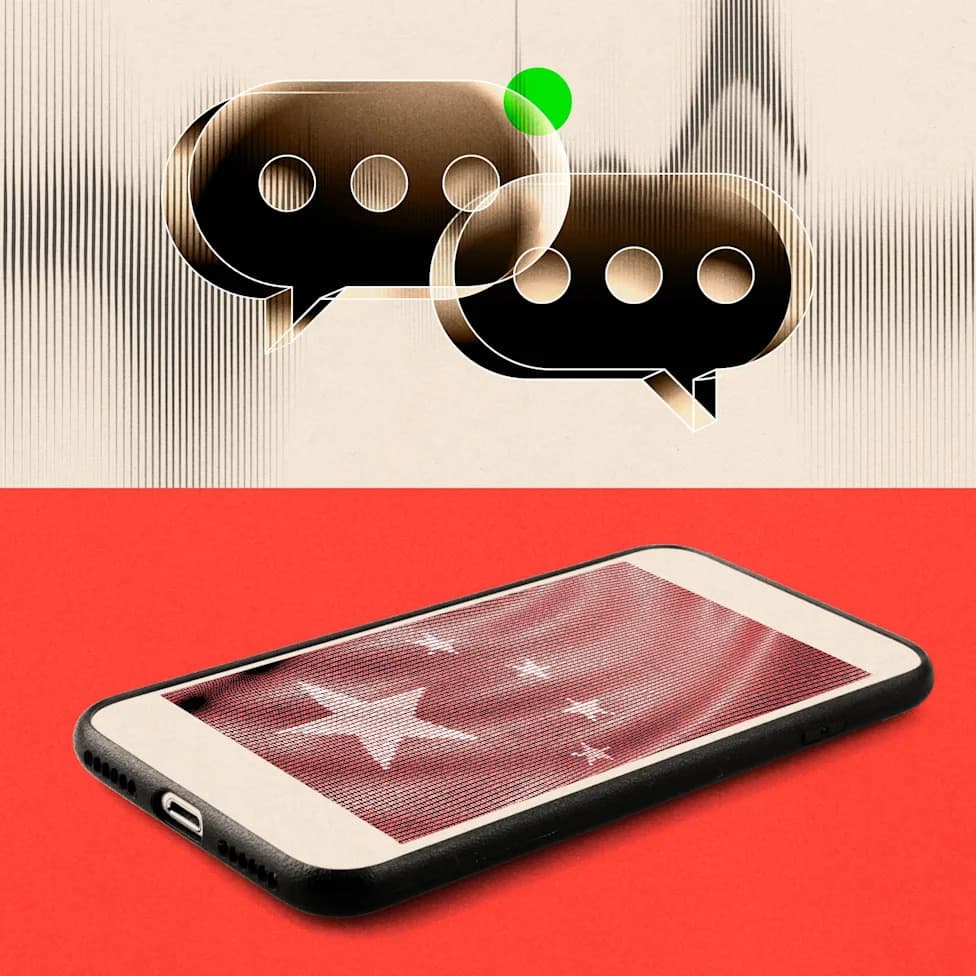
Illustration: Brendan Lynch/Axios. Stock: Getty Images
AI is no longer confined to offices and data centers — it's moving into living rooms, kitchens and bedrooms. Increasingly, families encounter devices and services that help with chores, support schooling, offer emotional scaffolding and quietly collect data about daily life.
Why This Matters
Public debate about AI has focused largely on jobs and productivity, but a quieter transformation is unfolding at home. Domestic AI is evolving from on-demand tools into persistent, context-aware companions that remember past interactions, anticipate needs and can affect everyone who shares a household.
Real-World Examples
Reporting and profiles illustrate the range of household use:
- The New Yorker profiled an Ohio mother and her two teenage daughters who use AI for logistics and emotional support — from a conversational Alexa to ChatGPT and a mental-health chatbot called Tomo.
- The Cut examined a blended family whose roster of AI agents helps with grocery shopping, coordinates homeschooling schedules and manages paperwork.
- Bloomberg reported that OpenAI plans a screen-free, mobile smart speaker intended as a "humanlike AI companion that lives in the home."
How Today’s Domestic AI Differs
Earlier smart-home systems were mostly reactive, responding only when prompted. Newer models can retain conversational context, infer household routines and adapt to individual family members over time — making them more useful but also more intimate and persistent.
What The Data Shows
Surveys and research suggest broad household adoption:
- A Lurie Children’s Hospital survey published in May found that 81% of parents have used AI to help with parenting tasks.
- Pew Research reports that 64% of U.S. teens have used chatbots, mainly for research, schoolwork and entertainment.
Between The Lines: Risks And Considerations
Experts warn that the home may become AI’s most intimate and least regulated environment. Daniel Zhang, chief of staff at the Stanford Institute for Human-Centered Artificial Intelligence, notes that "the unit of impact is often the family, not the individual user": one person’s use of AI can affect everyone in the household.
"The barriers to entry for families — in terms of cost and technical knowledge — are next to nothing," said Sarah Dooley, founder of AI-Empowered Mom. "With lower barriers and adoption moving at lightning speed, impact and risks for families are often high."
Developmental researchers emphasize that effects vary by context. Anne Maheux, a developmental psychologist at UNC Chapel Hill, cautions that placement and privacy matter: an AI device in a kitchen used openly is not the same as a chatbot accessed privately in a teen’s bedroom.
Key Concerns
Household AI raises questions about privacy, data ownership, consent, unequal access and child development. Adolescence is a sensitive period for social-emotional learning, and outsourcing social practice to AI may have different consequences for young people than for adults who already possess those skills.
Takeaway
While workplaces may be where AI reshapes the economy, the home is where it could reshape daily life and relationships. Families, policymakers and technologists will need clearer norms and guardrails to manage the benefits and risks of always-on domestic AI.
Help us improve.