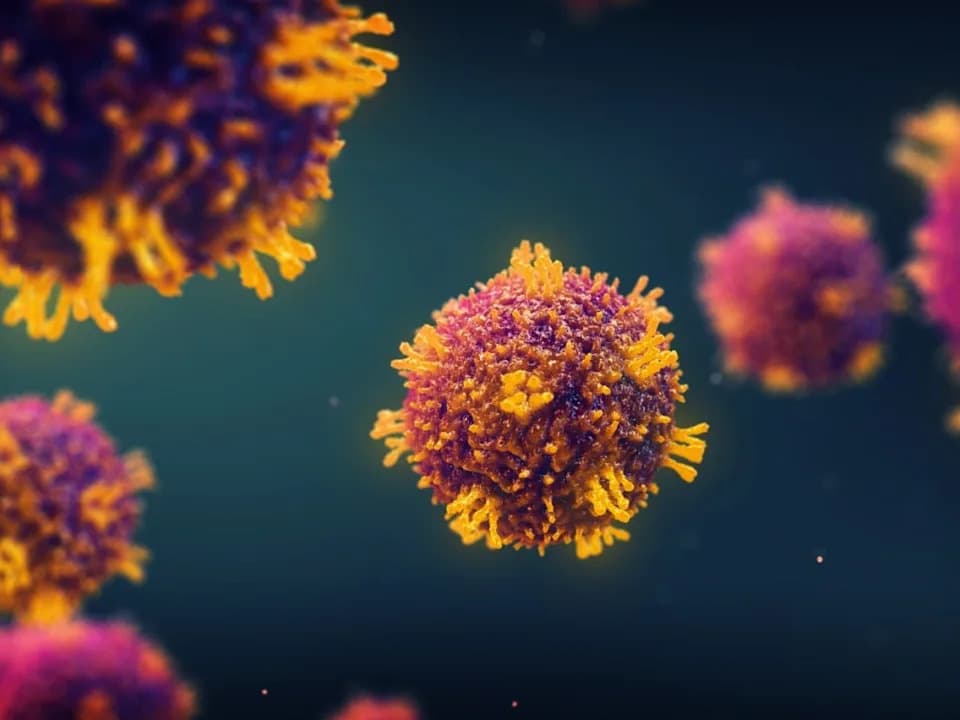
Highlights: US measles cases have climbed past 2,295 in 2026, exceeding 2025's total and marking the highest annual counts since the early 1990s. New simulations suggest random somatic mutations could set a practical upper limit on human lifespan—roughly 150–190 years—even if other aging processes were eliminated. Additional stories this week include a possible reorientation of the Milky Way disk after ancient collisions, a parasite that extends ant lifespans and alters social status, research on evolutionary mismatch and modern stress, and advances toward programmable thermal materials.
This Week in Science: Measles Surge, a Possible Lifespan Ceiling, Galactic Flip, and Programmable Heat
(Ruslanas Baranauskas/Science Photo Library/Getty Images)
Top headlines this week: A worrying measles resurgence in the United States, new limits proposed for human lifespan, evidence our galaxy may have tilted long ago, and breakthroughs toward controlling thermal behavior in materials.
BREAKING: US Measles Cases Just Hit a 'Grim Milestone'. Here's What You Need to Know.
Measles Surge in the United States
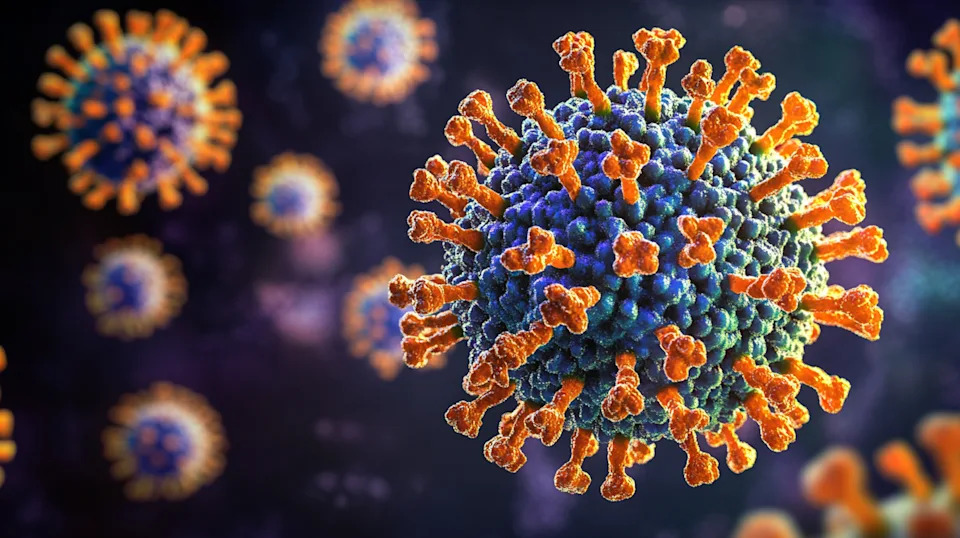
The United States has seen a troubling rise in measles cases: by 21 July 2026 the official count surpassed 2,295 cases for the year, exceeding the total for 2025 and reaching the highest annual numbers seen since the early 1990s. For context, the CDC recorded 2,289 cases in 2025; the last comparable years were 1991 (9,643 cases) and 1990 (27,808 cases). Public-health officials stress the importance of vaccination and outbreak control to prevent further spread.
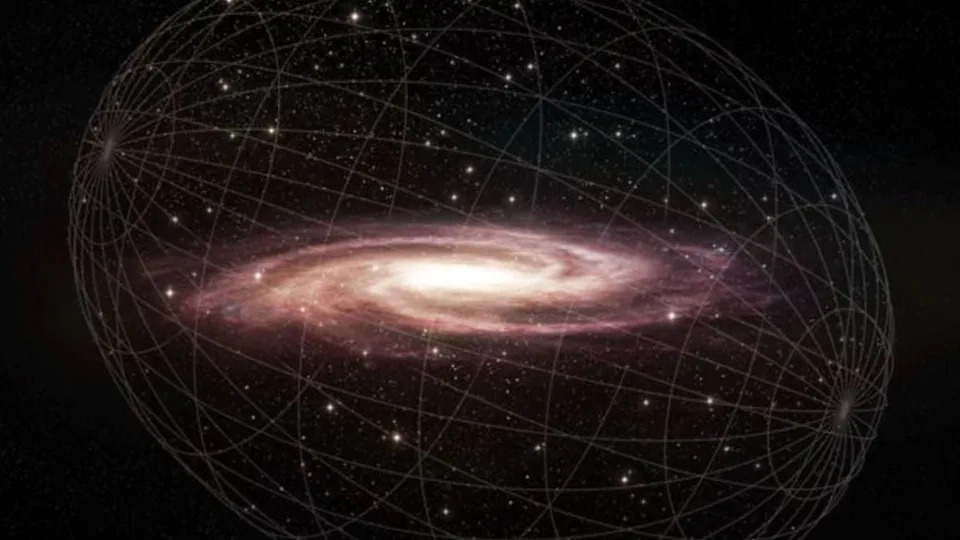
An artist's impression of the disk of the Milky Way.(Melissa Weiss/Center for Astrophysics|Harvard & Smithsonian)
Could There Be a Hard Limit to Human Lifespan?
New computational work from the Skolkovo Institute of Science and Technology models how random somatic DNA mutations accumulate over time. Even if scientists could fix all known mechanisms of aging, the simulations suggest that unavoidable, stochastic mutations could set a fundamental upper bound on human lifespan—roughly in the range of 150–190 years in optimistic scenarios. The study highlights a biological constraint that would persist even with dramatic anti-aging advances.
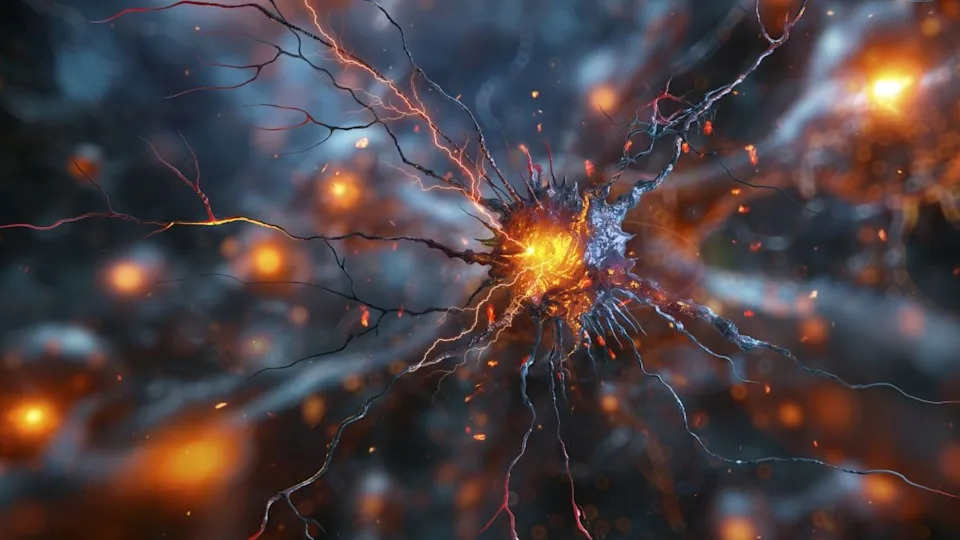
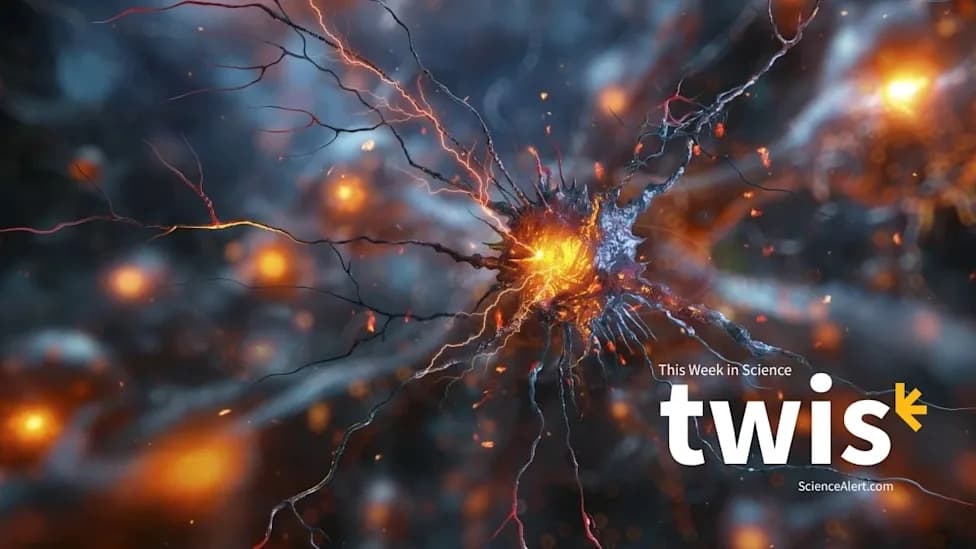
Long-lived neurons in the brain are among the cells most vulnerable to the gradual accumulation of somatic DNA mutations, according to the new model. (Ruslanas Baranauskas/Science Photo Library/Getty Images)
Did the Milky Way Tip on Its Side?
Recent galaxy-scale simulations propose that the Milky Way's stellar disk may have slowly reoriented—essentially tipping relative to its dark-matter halo—after ancient collisions with smaller galaxies. Such a gradual reorientation could explain certain structural oddities in the Galaxy and adds to evidence that the Milky Way's history has been more violent and dynamic than a simple flat-disc picture suggests.
Subscribe to ScienceAlert's free fact-checked newsletter
The Strange Parasite That Reprograms Ant Lives
Researchers publishing in BMC Genomics examined a parasitic relationship in Temnothorax nylanderi ants. The parasite can dramatically extend a host's lifespan—by as much as tenfold—and alters social behavior, prompting colony members to favor infected individuals. The parasite appears to keep the host docile so it becomes susceptible to predation; the predator’s gut then serves as the parasite’s breeding environment.
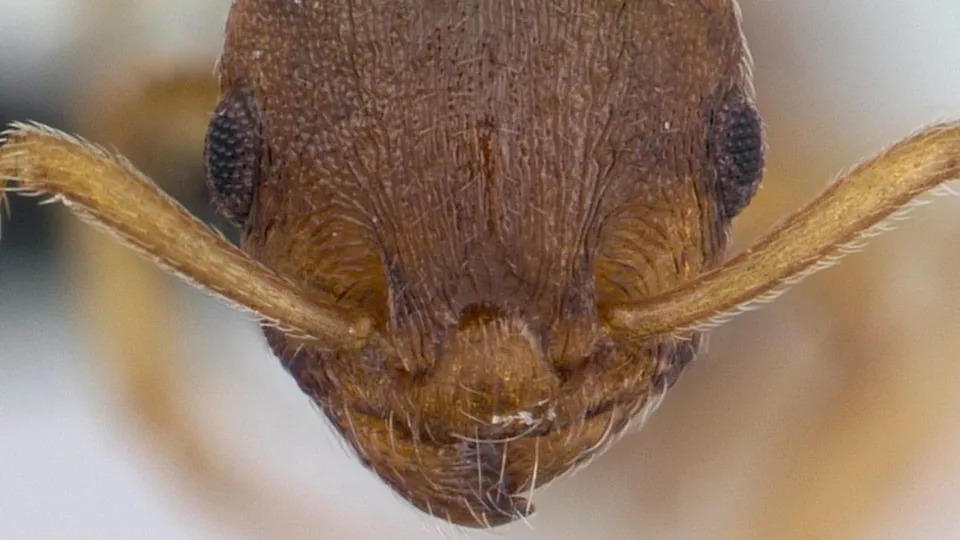
Temnothorax nylanderi.(April Nobile/AntWeb/CC BY 4.0)
Evolutionary Mismatch: Why Modern Life Stresses Us
A review in Behavioral Sciences argues that many contemporary mental- and physical-health problems stem from an evolutionary mismatch: human physiology and psychology evolved for small, familiar social groups and immediate threats, not for dense, hyperconnected modern societies with constant stimuli and overlapping pressures. The mismatch is implicated in trends such as rising anxiety and obesity.

(Tero Vesalainen/iStock/Getty Images Plus)
Programmable Heat: Decoupling Absorption from Emission
Researchers report progress toward materials and devices that decouple thermal absorption from emission, challenging practical limits imposed by Kirchhoff’s law of thermal radiation. By separating how a surface takes in and gives off heat at specific angles and wavelengths, these approaches point toward ‘‘programmable’’ thermal behavior with applications in thermal management, energy systems, and sensors.
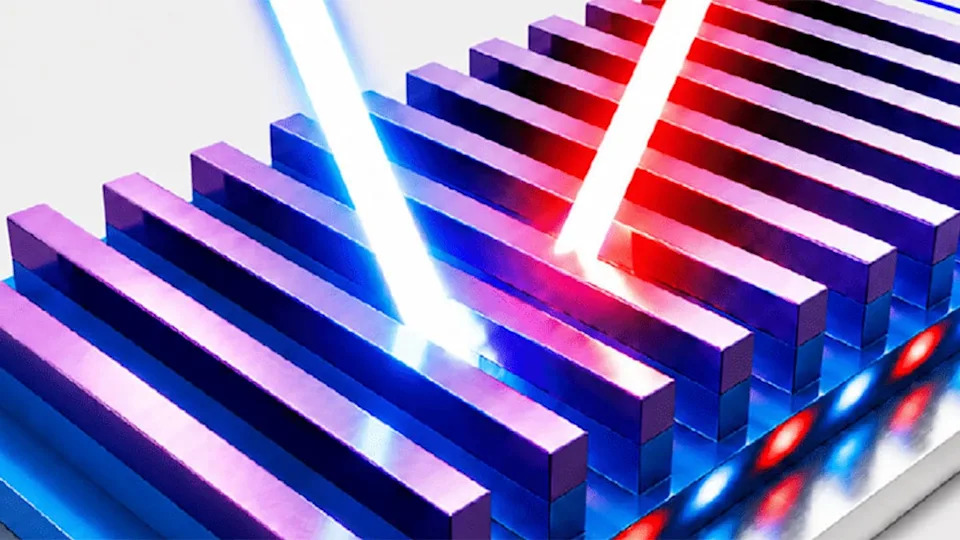
Researchers have decoupled heat absorption from heat emission.(Qing et al.,Laser Photonics Rev., 2026)
Bottom line: This week’s research ranges from urgent public-health developments to deep-time astrophysics and fundamental physics and biology. Together the stories show how science addresses immediate risks and explores long-term limits and mechanisms.
Note: Video recap and original reporting are available from the publication’s weekly roundup.
Help us improve.