Water UK warns that government water forecasts exclude major new users such as data centres and gigafactories, risking underestimation of future demand. Current data‑centre use is about 6.6 million litres per day (roughly 20,000 homes); trebling capacity by 2030 would add the equivalent of around 40,000 homes. Peak withdrawals can hit 14 million litres per day and could reach 42 million with 2030 expansion, prompting calls for storage, new supplies and stricter efficiency standards.
Trebling UK Data‑Centre Capacity By 2030 Could Require Water Equivalent To 40,000 Homes, Warns Industry

Credit: Veolia
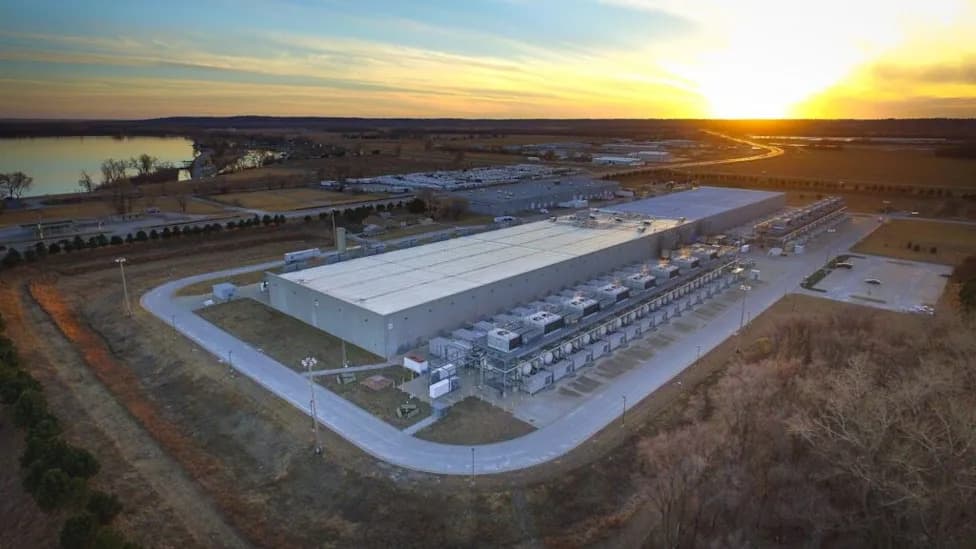
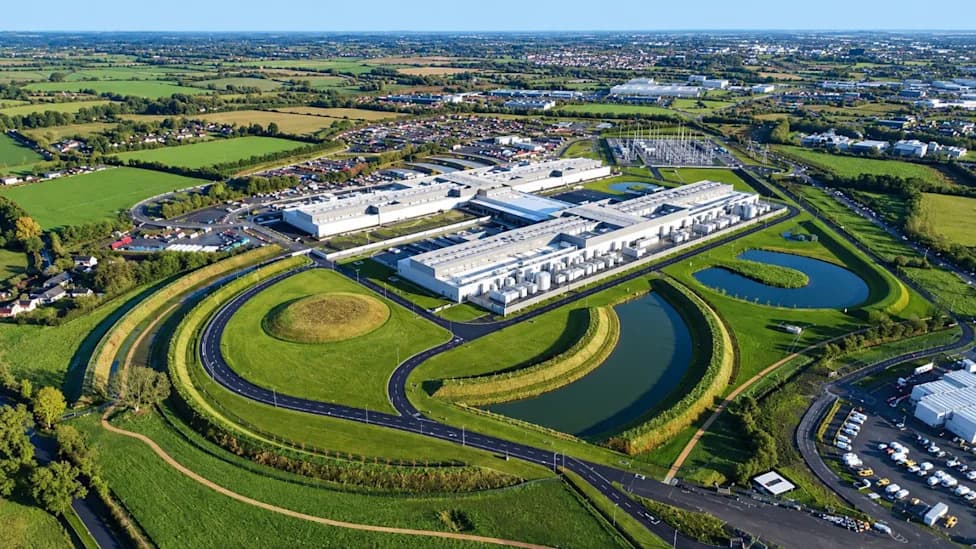
Industry body Water UK warns that plans to treble the UK's data‑centre capacity by 2030 have not adequately accounted for the sector's rising water demand, a gap that could strain supplies without new measures.
What Water UK Found
Current water‑resource forecasts for England exclude major new users such as data centres and gigafactories, which effectively caps how much additional water utilities are considered able to provide. Water UK says this omission risks underestimating future demand and leaving local water systems unprepared.
Why Water Cooling Matters
Many large data centres rely on water cooling because air cooling is often more expensive and less efficient at the scale required. As a result, significant water use is difficult to avoid in high‑density facilities, particularly during hot weather.

Google logo on a black background next to text reading 'Click to follow TechRadar'
Scale Of The Challenge
Industry estimates put current UK data‑centre water consumption at about 6.6 million litres per day — roughly the daily use of 20,000 homes. Trebling capacity by 2030 would add the equivalent of around 40,000 more homes, taking the sector's average demand to roughly the daily needs of 60,000 homes.
Average figures mask peaks: on the warmest days withdrawals can reach about 14 million litres per day. If capacity grows as planned, peak demand could reach 42 million litres per day, emphasizing the need for large storage, alternative sources or demand‑management measures.
Options Proposed By Water UK
- Temporary Abstraction Flexibility: Allow water companies short‑term relief from current abstraction limits while they identify, fund and build sustainable new supplies.
- Developer-Funded Supply: Permit or require data‑centre developers to finance new water infrastructure where appropriate, reducing pressure on public resources.
- Tighter Efficiency Standards: Introduce stronger water‑efficiency requirements for new projects so growth is less water‑intensive.
Why This Matters
Balancing digital‑infrastructure growth with sustainable water management will require both short‑term flexibility and long‑term investment. Without updated forecasts and clear policy, regions hosting clusters of data centres could face supply stress, particularly during heatwaves.
Water UK argues that combining accelerated planning for new supplies with tougher efficiency rules offers a practical path to reconcile economic ambitions with environmental limits.
Help us improve.