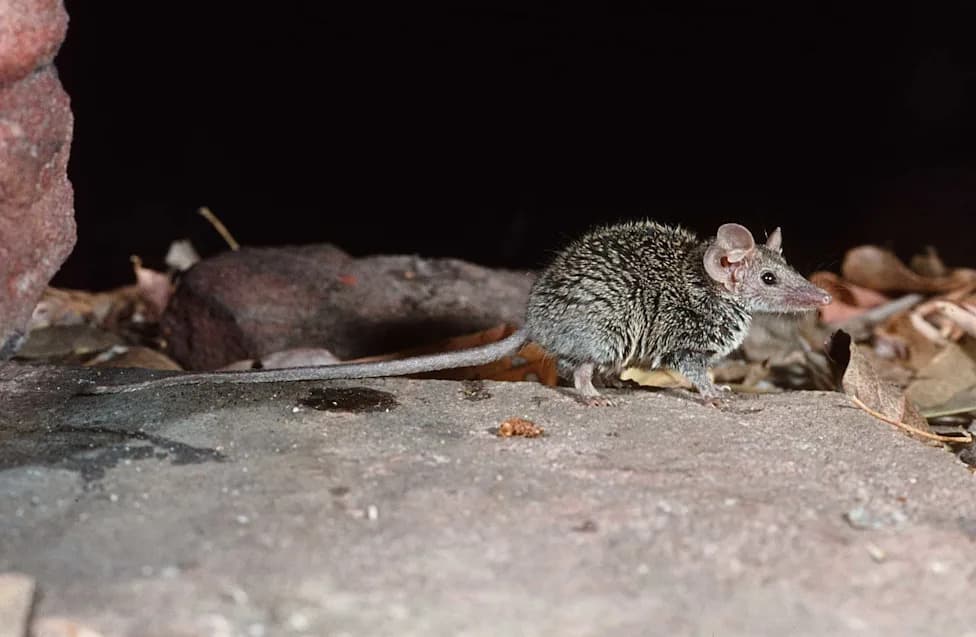
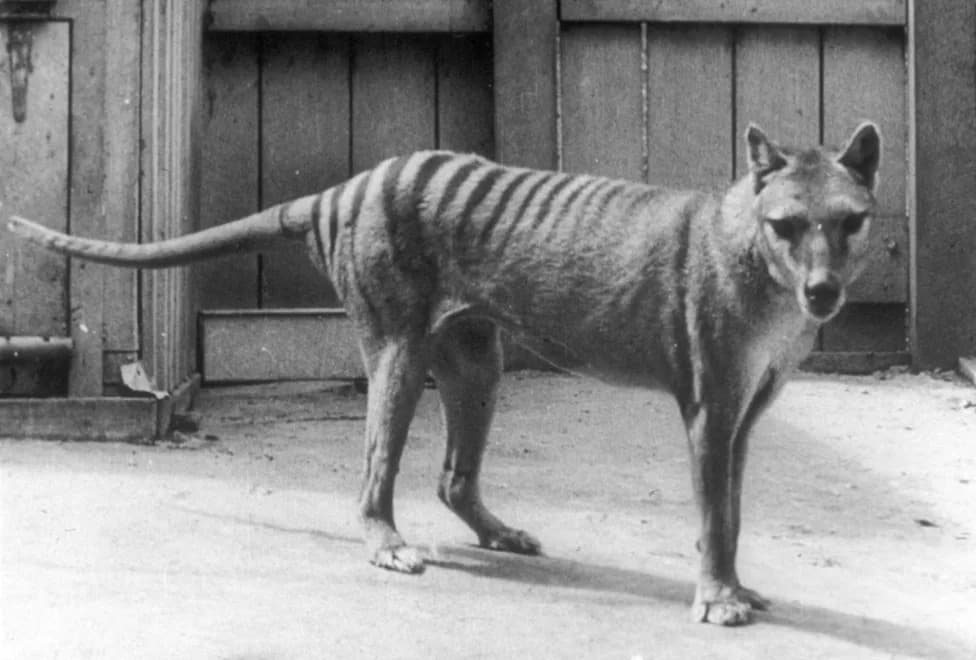
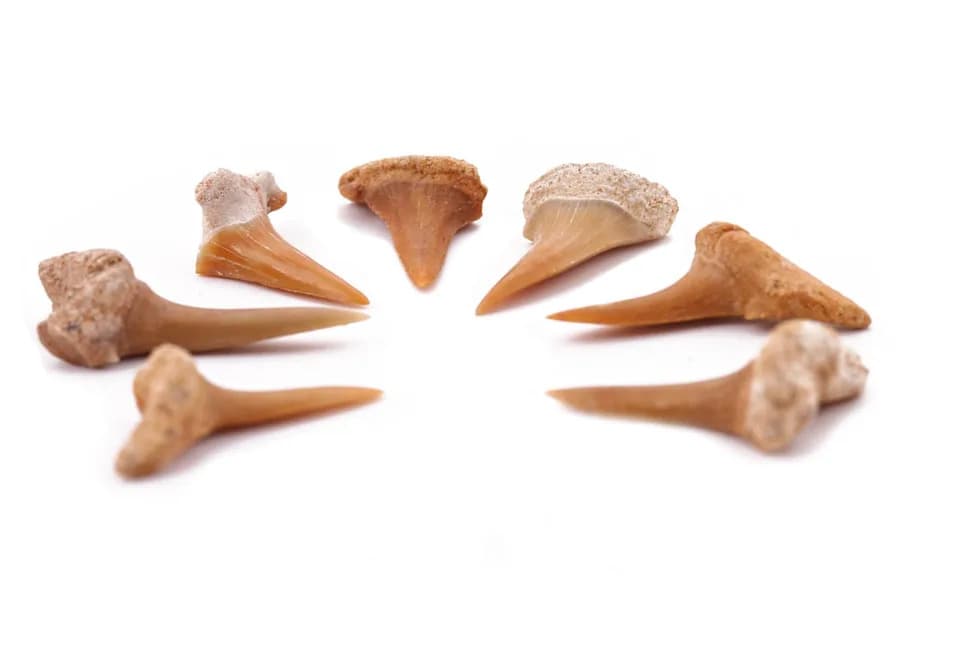
A small set of rice-sized fossil teeth and jaw fragments from Riversleigh, Queensland, reveals three new marsupial species and supports the proposed order Keeunamorphia. The finds—two new Phantasmodon species and an unnamed Keeunidae genus—date to the Early Miocene (≈18 million years ago) and may be linked to much older fossils including Djarthia. The discovery suggests multiple marsupial lineages coexisted in Australia and may revise ideas about the origins of modern carnivorous marsupials.
Rice-Sized Fossil Teeth Reveal a New Branch on the Marsupial Family Tree — Keeunamorphia
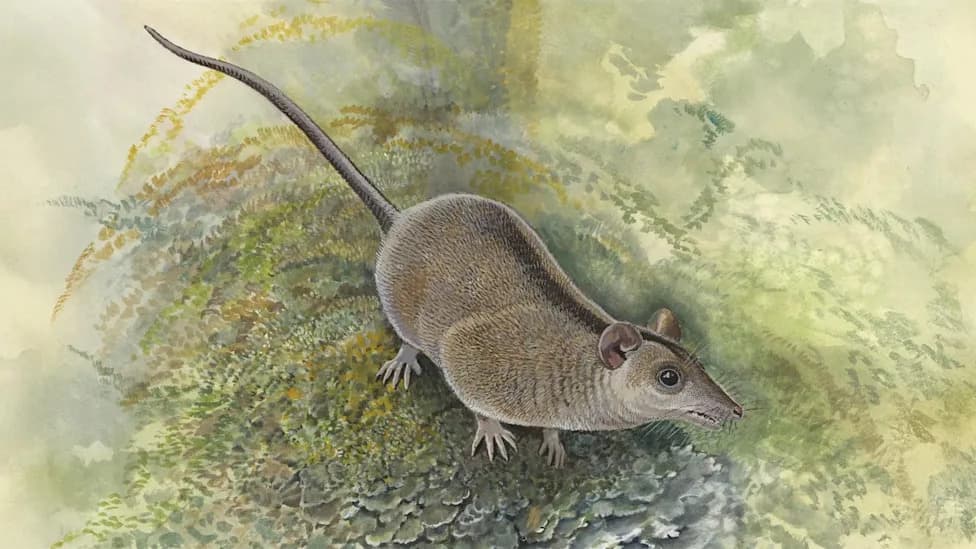
© Peter Schouten
A tiny cache of fossil teeth and jaw fragments uncovered in a cave at Queensland's Riversleigh World Heritage Area has revealed three previously unknown marsupial species and prompted the proposal of an entirely new marsupial order.
Published in the Journal of Paleontology, the material was excavated at two Riversleigh sites—Dirk's Towers and Neville's Gardens—by researchers from the University of New South Wales. The finds include minute teeth, some scarcely larger than a grain of rice, and small jaw fragments. Despite their size, the teeth contain rich anatomical detail that allowed paleontologists to identify species and assess evolutionary relationships.
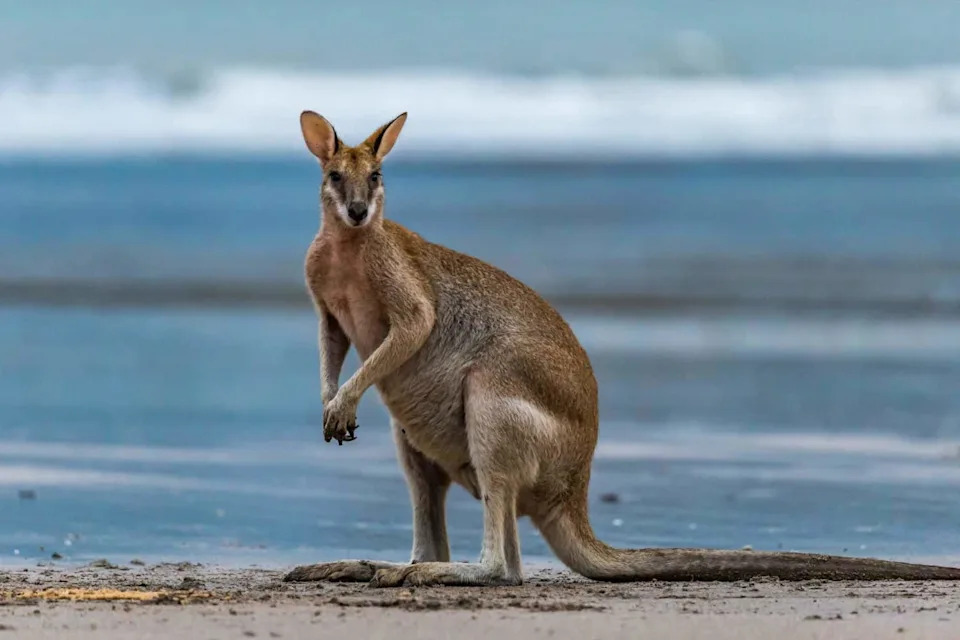
Kangaroos are one of many modern day Australian marsupials that descended from one common family tree.©Maximiliane Wagner/Shutterstock.com
What Was Found
Detailed study shows the fossils belong to three previously undescribed species: two assigned to the genus Phantasmodon—Phantasmodon travouilloni and Phantasmodon minuferox—and a third specimen placed in an as-yet-unnamed genus within the family Keeunidae. Each animal is estimated to have been about the size of a shrew or small mouse (roughly 1–7 ounces). The material dates to the Early Miocene, about 18 million years ago.
Why Teeth Matter
Teeth are often the most durable and diagnostic remains for ancient mammals. The shapes and microscopic features of these teeth display a unique mix of characteristics not seen in the five modern Australian marsupial orders. At the same time, dental traits link the fossils to older Paleogene marsupials such as Keeuna woodburnei and Ankotarinja tirarensis, and also show affinities with Djarthia murgonensis, Australia's oldest-known marsupial from about 55 million years ago.
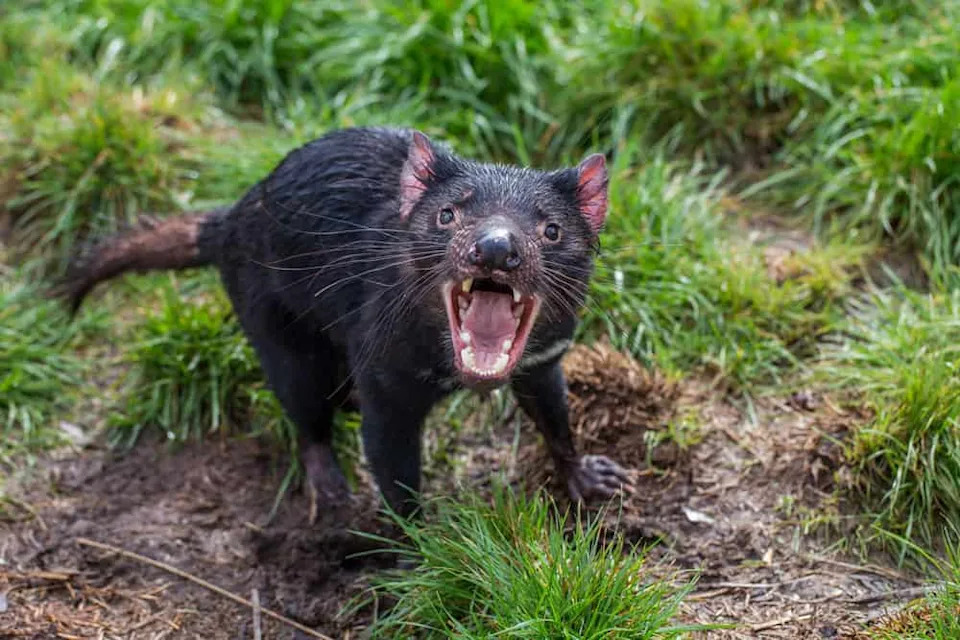
Researchers believe the newly discovered order may be related to modern Tasmanian devils and other carnivorous marsupials.©Sander Groffen/Shutterstock.com
“We're essentially trying to create a tree that shows both the relationships of all the different species in the tree, while also calculating when those branches probably diverged,” said Dr. Tim Churchill, lead author and paleontologist at the University of New South Wales.
Phylogeny and a Proposed New Order
Combining fossil morphology with genetic data from living marsupials, the research team produced a phylogenetic analysis indicating these specimens form a distinct lineage, separate from every previously recognized marsupial order. The authors propose naming this group Keeunamorphia. They suggest Keeunamorphia may represent an ancient lineage that could be related to modern carnivorous marsupials such as Tasmanian devils.
If the Keeunamorphia fossils tie back to the Murgon fauna, the lineage might extend from roughly 50 million years ago and persist until about 15 million years ago—surviving some 35 million years under one interpretation. However, the authors acknowledge that alternative dating methods could produce different timelines; the precise chronology remains debated and not definitively proven.
Broader Implications
The discovery challenges the longstanding view that all modern Australian marsupials descended from a single ancestral group. Instead, it supports the idea that multiple, diverse marsupial lineages coexisted in Australia for millions of years, with some branches ultimately dying out. The newfound lineage appears primitive compared with contemporaneous marsupials but was evidently successful enough to persist for a long stretch of geological time.
Key details: Riversleigh (Dirk's Towers and Neville's Gardens); Journal of Paleontology; researchers led by Dr. Tim Churchill (University of New South Wales); fossils dated to the Early Miocene (~18 Ma); two new Phantasmodon species plus an unnamed Keeunidae genus; proposed order Keeunamorphia.
Help us improve.