The Tibetan plateau hosts a contentious cloning program aiming to create an "elite" herd of yaks with improved growth, fertility and disease resistance. Chinese reports cite the first domestic yak clone in July 2025 and plans to scale to 100+ selected clones by 2028; researchers also hope to aid rare wild yaks, including the golden wild yak. Independent verification is limited, and bioethicists warn that welfare, transparency and genetic-diversity safeguards are essential and that cloning cannot replace habitat protection.
Cloning Yaks on the Tibetan Plateau: Conservation Hopes, Economic Ambitions, and Ethical Questions
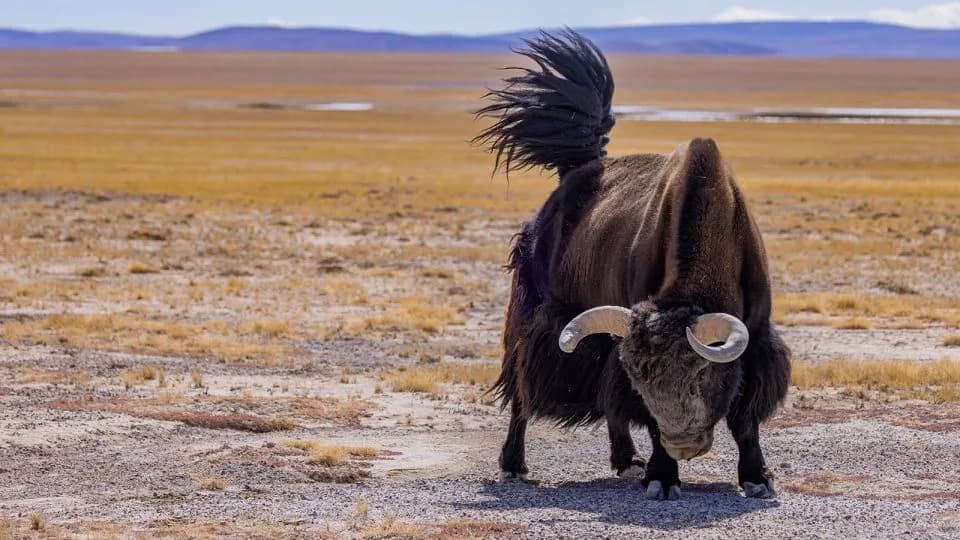
A wild yak is seen near the Zangser Kangri Glacier at the Changtang National Nature Reserve in Tibet on March 12. - Sonam Jamcan/Xinhua/Getty Images
High on the Tibetan plateau—above 4,000 meters and ringed by snow and wind—researchers are pursuing a controversial experiment: cloning yaks selected for desirable traits. Chinese state media reported the first successful domestic yak clone in July 2025 and additional calves this spring. Scientists say the program aims to build an "elite" herd of healthier, faster-growing animals and to explore whether cloning might help conserve rare wild subspecies.
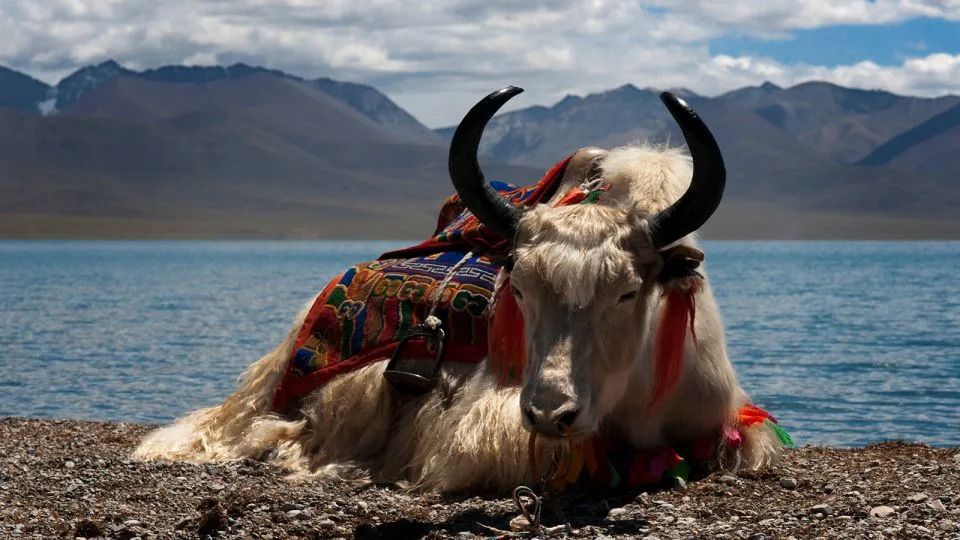
A white yak in Nam Tso Lake (Nam Co) in the Nyainqentanglha mountains of Tibet. - Sergi Reboredo/VW Pics/Universal Images/Getty Images
Project Goals and Context
Tibetan yaks are central to local economies and cultures: domestic yaks provide wool, milk, meat and labor, while wild yaks are protected under Chinese law. Domestic populations number roughly 14 million worldwide, mostly on the plateau; wild yaks have declined by more than a third over 30 years and are estimated at 10,000–20,000 individuals. A rarer subspecies, the golden wild yak, is reported in state media to number about 300.
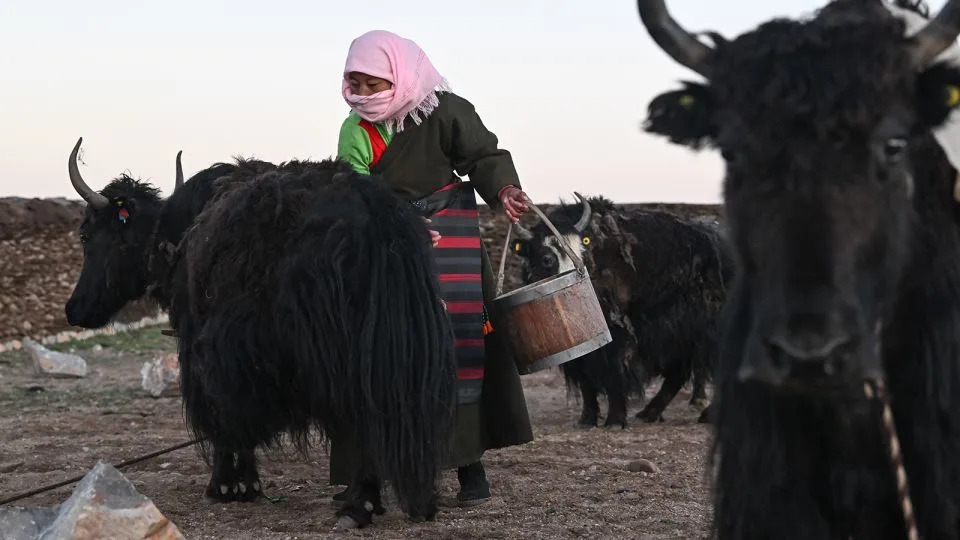
A herder collects yaks' milk at the grasslands along Nam Tso Lake (Nam Co), on June 26, 2025, in Lhasa, Tibet. - Gongga Laisong/China News Service/VCG/Getty Images
How The Cloning Works
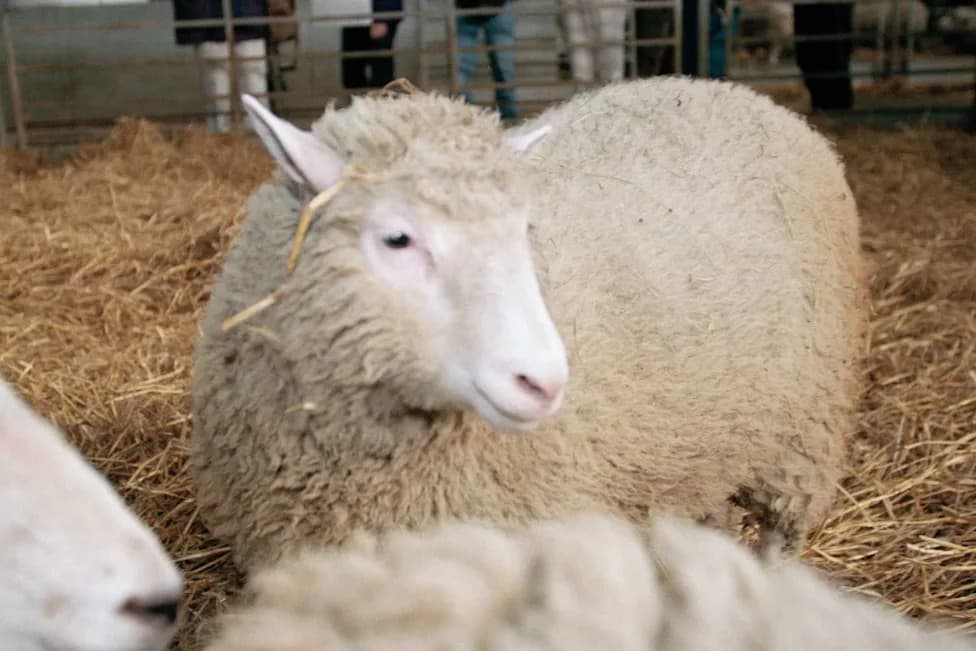
Researchers describe cloning as a four-step process: selecting DNA donors with favorable traits; extracting nuclei from somatic cells; inserting those nuclei into enucleated egg cells to create cloned embryos; and implanting embryos into surrogate mothers. Zhejiang University reported the first clone was delivered by caesarean section; subsequent domestic clones were described as "natural births." State outlets say the team plans to scale to more than 100 selected clones by 2028.
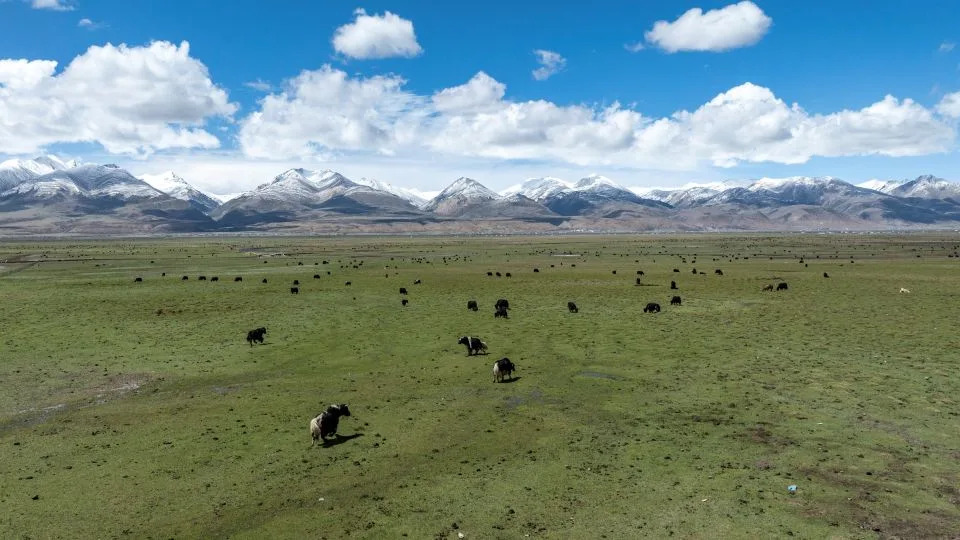
An aerial drone photo taken on May 28 shows a herd of yaks at the A Rag Wetland in Tibet's Damxung County. - Jigme Dorje/Xinhua/Getty Images
Potential Benefits
Advocates argue cloning can accelerate breeding programs—important because yaks reproduce slowly, with females typically producing only a few offspring in a lifetime. By selecting for fertility, disease resistance and resilience, scientists and regional officials hope to boost herd quality, protect livelihoods, and potentially support conservation of rare wild subspecies.
Unknowns and Concerns
Independent verification and detailed data are limited. Reported milestones include more than 200 cloned embryos of wild or crossbred yaks cited by state broadcaster CCTV, but there has been no public confirmation of successful wild yak births. Journalists who requested comment were redirected or did not receive substantive replies. Key unanswered questions include numbers of failed implantations and miscarriages, the welfare outcomes for surrogate mothers and cloned offspring, what exactly is meant by "natural birth," and how genetic diversity will be maintained.
Ethical and Environmental Debate
Bioethicists and veterinarians recognize legitimate conservation and agricultural uses for cloning but stress the need for transparency, oversight and welfare safeguards. Critics warn cloning can produce abnormalities, cause suffering, and risk creating a false sense of security that undermines habitat protection, anti-poaching efforts and climate action. Supporters counter that conventional conservation methods alone may be insufficient under accelerating environmental change and that biotechnology could be a necessary tool.
Quote: "The intent matters—people are generally more comfortable with cloning for conservation than for purely agricultural gain," said a Harvard bioethicist who has urged caution and accountability for similar projects.
What To Watch For
- Independent data on success and failure rates for implantation and births.
- Published welfare assessments for surrogate mothers and cloned calves.
- Plans and safeguards to preserve genetic diversity and prevent unintended ecological impacts.
- Transparent oversight, ethical review, and public reporting from project leaders and authorities.
Whether the Tibetan yak cloning program becomes a model for combining biotechnology with conservation and rural development—or an ethically fraught experiment that masks deeper environmental neglect—will depend on forthcoming evidence, independent review and policy choices that are not yet public.
Help us improve.