The Pentagon's public casualty database briefly lowered reported Iran-war fatalities from 18 to 14 and reduced the wounded from 482 to 420, a change officials blamed on a technical glitch. The discrepancy — and the database's delayed correction — sparked demands from lawmakers and governors for a full, transparent accounting. Critics also raised concerns that recent strikes may be being relabeled as "overseas operations," which could affect how casualties are recorded and whether the War Powers Resolution is implicated.
Pentagon Cuts Reported Iran-War Casualty Totals After Database Glitch, Prompting Outcry
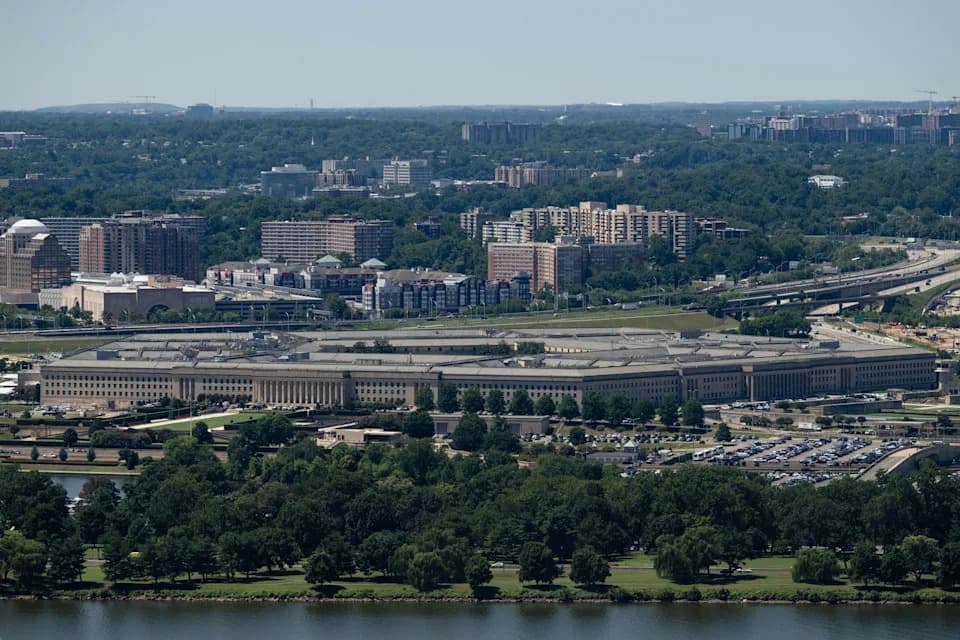
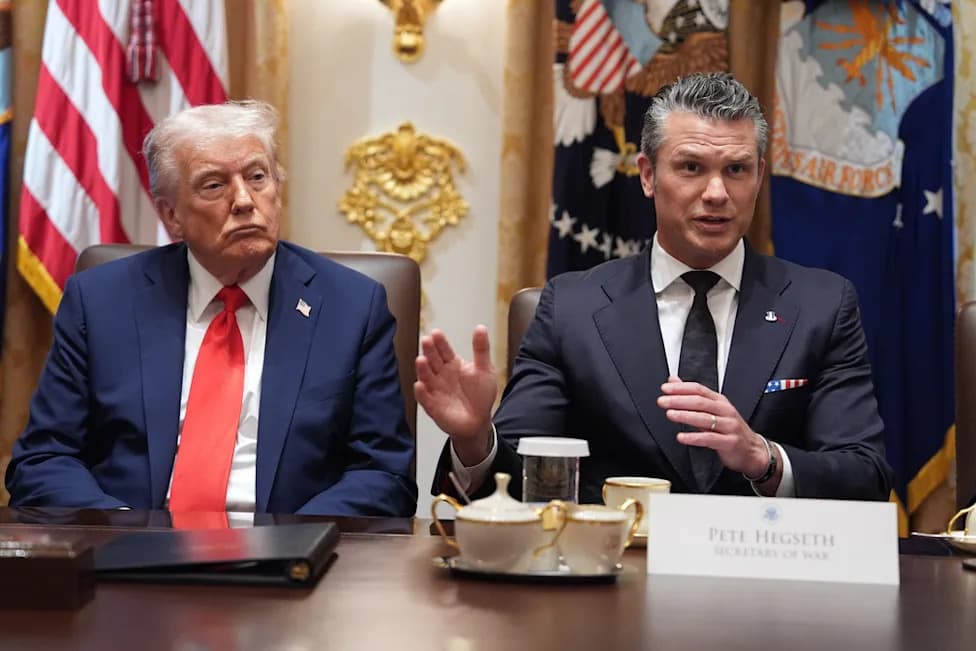
Kent Nishimura/AFP via Getty Images - PHOTO: US-POLITICS-WHITE HOUSE
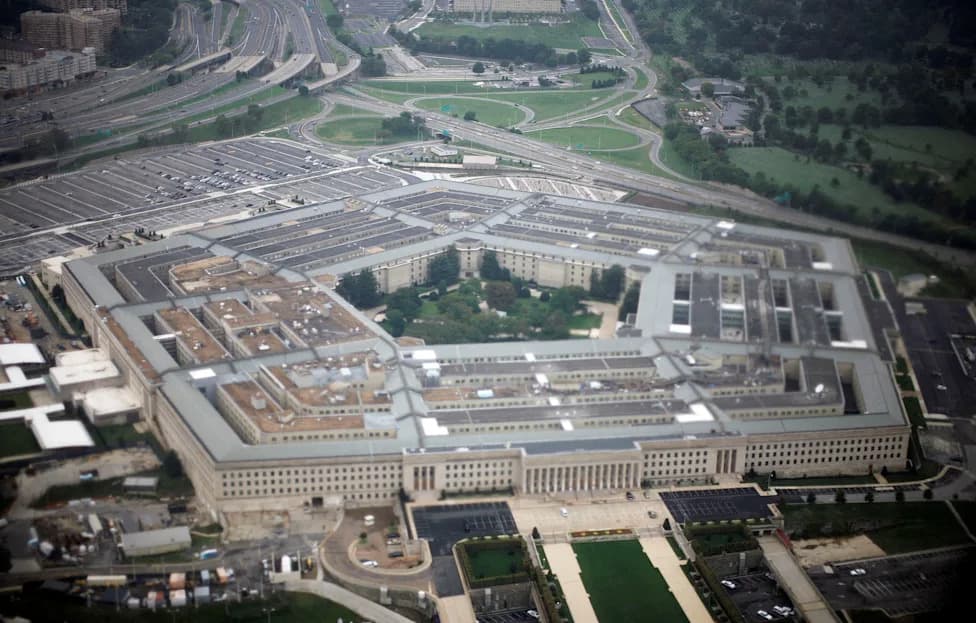
The Pentagon's public casualty ledger briefly reduced its reported totals for the Iran conflict, dropping the death count from 18 to 14 and the wounded from 482 to 420. Defense officials attributed the change to a technical disruption in the Defense Casualty Analysis System (DCAS), but lawmakers, family members and advocacy groups said the adjustment — and the delay in restoring accurate figures — raised troubling questions about transparency and how U.S. casualties are being classified.
What Changed
On Thursday the DCAS online database showed a sudden downward revision in the conflict's casualty figures, effectively removing four recently reported U.S. service member fatalities attributed to attacks in Jordan and Iraq. As of Friday evening, the public-facing figures had not been fully corrected.
Pentagon Response
Acting Pentagon Press Secretary Joel Valdez acknowledged technical problems with the DCAS website and said the department was working with the military services to resolve "temporary data disruptions."
"The Department of Defense is aware of temporary data disruptions on the Defense Casualty Analysis System (DCAS) website. These site anomalies are currently being resolved in coordination with the military services," Valdez said.
Still, some Pentagon statements on troop injuries have not been reflected in the public ledger. Earlier in the week, a Pentagon spokesperson said nearly 100 additional troops had been wounded since July 7, when daily strikes resumed after the collapse of a fragile ceasefire; that increase did not appear in DCAS.
Why Classification Matters
Civilian and congressional critics say the timing of the revision could be linked to administration statements in May that had declared Operation Epic Fury — the name previously used for the Iran campaign — terminated. A U.S. official told ABC News that more recent strikes were being described internally as "overseas operations," a broader label that could affect whether and how casualties are counted in DCAS and other formal records.
Critics argue that relabeling or fragmenting the campaign on paper could be used to sidestep statutory limits such as the War Powers Resolution's 60-day threshold for major military actions without congressional authorization.
Political Backlash and Calls for Answers
Lawmakers across the aisle pressed the Pentagon for a full, accurate accounting. Senators on the Armed Services Committee, led by Sen. Mazie Hirono and signed by other Democrats on the panel, demanded clarity and consistent public reporting. Rep. Thomas Massie said the department appeared to be treating the fighting as if it were two separate campaigns, a move he called an "absurd ruse" to evade congressional oversight.
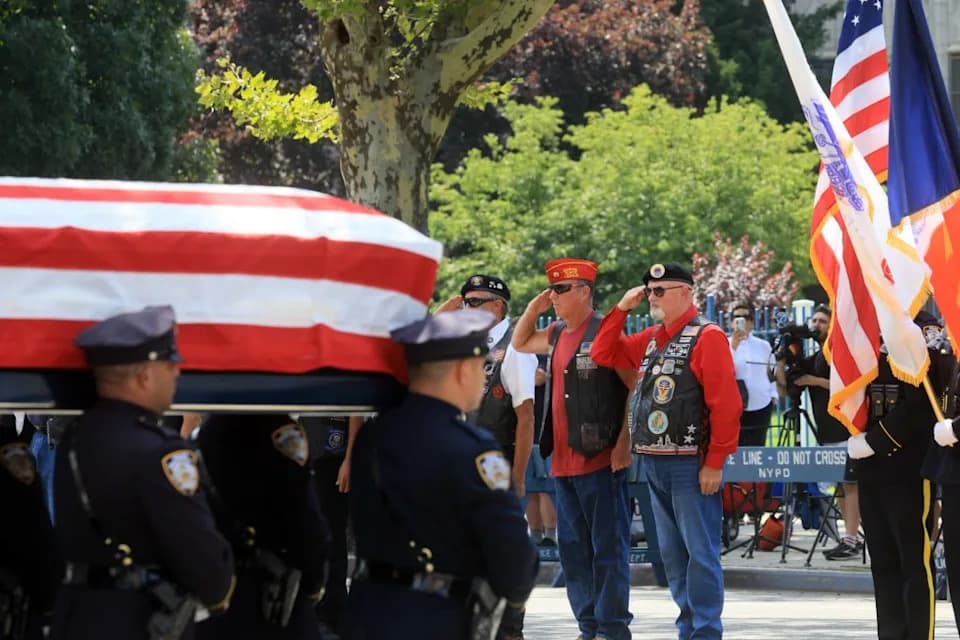
New York Governor Kathy Hochul publicly objected after the name of Sgt. Angel Rampersad, one of the four service members killed in recent attacks, briefly disappeared from the database. "Changing a website does not rewrite the truth of her sacrifice," Hochul said.
Those Named Among The Fallen
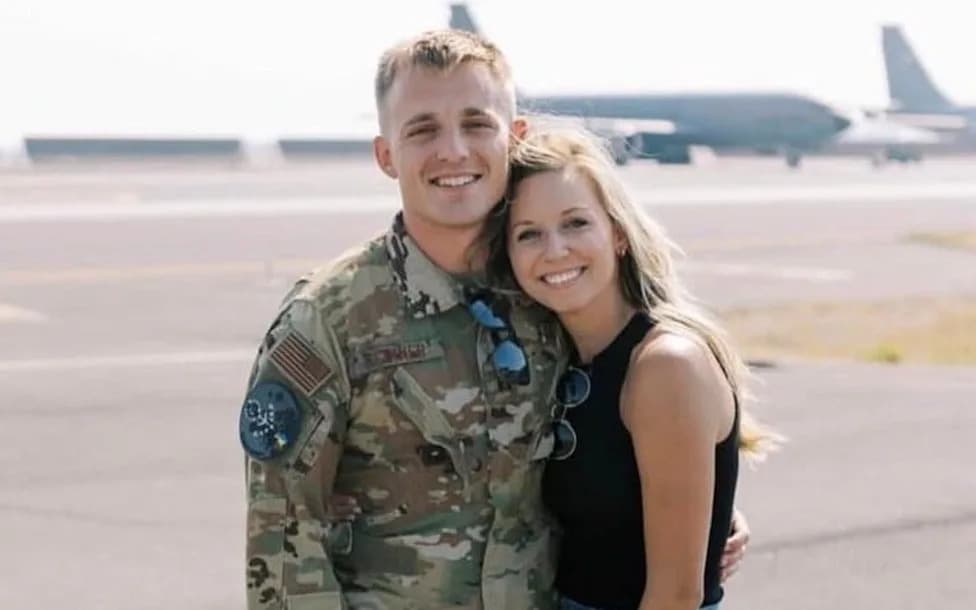
The four service members recently reported killed and at the center of the dispute are Sgt. Angel Rampersad, Pfc. Isabella Gonzales, 1st Lt. Tyler Feehan and Sgt. Michael Emmanuel Swinton.
Context And Next Steps
DCAS is the Pentagon's principal public record for U.S. military casualties in current and past conflicts and is populated with data submitted by the individual services. Observers said that while large conflicts often evolve through distinct phases, treating separate phases as distinct campaigns for casualty accounting would be highly irregular and would undermine a single, consistent public measure of war's human cost.
Officials said they were working to restore the public figures and investigate the disruption. Meanwhile, families, lawmakers and oversight groups continue to press for a clear explanation of how casualties are being tracked and why the public record diverged from other Pentagon statements.
Help us improve.