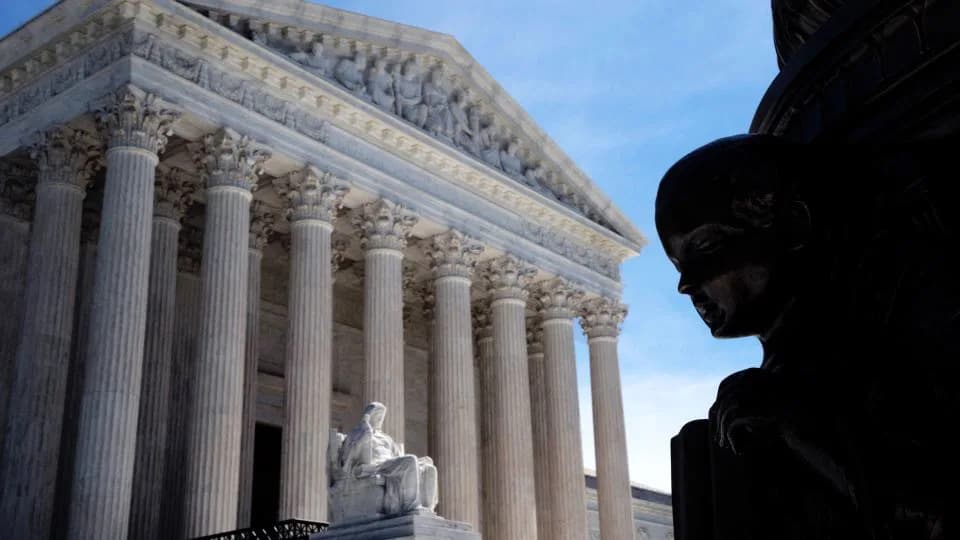
The Sunshine Protection Act of 2025 — passed by the House 308-117 and supported by President Trump — would make Daylight Saving Time permanent and push winter sunrises later. Religious leaders warn the change could force later synagogue services, reduce communal prayer attendance, and conflict with work and school schedules, especially in the Midwest and mountain states. Advocates also cite concerns about child safety and circadian rhythm disruption.
Permanent Daylight Saving Time Could Delay Sunrise Prayers — How the Sunshine Protection Act Would Affect Orthodox Communities

Daylight saving time is expected to begin on Sunday, March 8, at 2 a.m. local time in 2026, with clocks "springing forward" an hour, to 3 a.m. and sunrise and sunset occurring about 1 hour later.
Each weekday morning before work or school, many Orthodox Jews recite Shacharit — the first of three daily prayers — either alone or together in a synagogue. Men wear ritual shawls and tefillin, and the timing of the service is governed by the natural rising of the sun rather than a clock.
Proposed legislation known as the Sunshine Protection Act of 2025 would keep most U.S. states on Daylight Saving Time year-round. The House passed the bill 308-117, and it has public support from President Donald Trump. If made permanent, clocks would not be set back in winter, meaning winter sunrises would occur later across large parts of the country.

Orthodox Jews take part in the 13th Siyum HaShas, a celebration marking the completion of the Daf Yomi, a seven-and-a-half-year cycle of studying texts from the Talmud, the canon of Jewish religious law, at the MetLife Stadium in East Rutherford, New Jersey, on January 1, 2020.
What Would Change?
Daylight Saving Time currently runs from March to November; the Sunshine Protection Act would eliminate the biannual clock changes and keep evenings brighter year-round but push winter sunrises later. For many communities, particularly in the Midwest and mountain states, that shift would produce darker mornings and later natural dawns for extended periods.
Religious Impact
For observant Jews, many prayer times and rites are tied to sunrise and sunset. Shacharit, the communal morning prayer, is often scheduled to begin shortly before or at sunrise, and certain prayers require a quorum (a minyan) of 10 adult men. Religious leaders warn that later sunrises could force synagogues to delay services, reduce communal attendance, or compel worshippers to choose between prayer and work or school obligations.
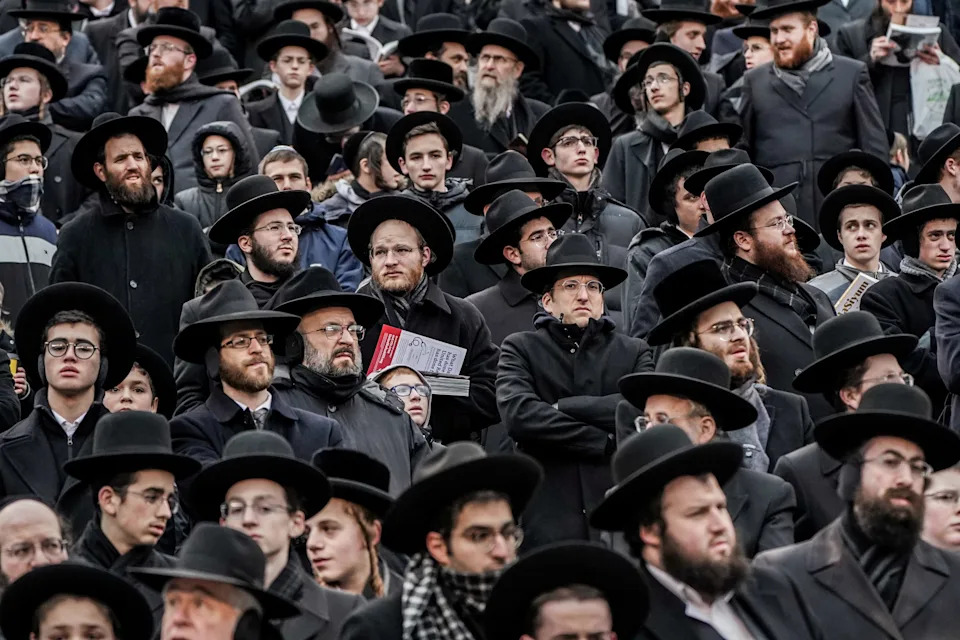
Orthodox Jews take part in the 13th Siyum HaShas, a celebration marking the completion of the Daf Yomi, a seven-and-a-half-year cycle of studying texts from the Talmud, the canon of Jewish religious law, at the MetLife Stadium in East Rutherford, New Jersey, on January 1, 2020.
"The later the morning is, the later that prayers can be taking place," said Rabbi A.D. Motzen, national director of government affairs for Agudath Israel of America.
Where The Effect Would Be Strongest
Agudath Israel and other organizations compiled analyses showing the regional impact. Examples cited include:
- South Bend, Indiana: sunrise would be after 8 a.m. on roughly 150 days and after 9 a.m. on about 55 days annually.
- Bismarck, North Dakota: roughly 75 days with sunrise after 9 a.m.
- Boise, Idaho: about 64 days with post-9 a.m. sunrises.
- Helena, Montana: about 50 days with sunrise after 9 a.m.
- Los Angeles: comparatively few days (about 10) affected.
Other Concerns
Beyond religious observance, parents and safety advocates warn that darker winter mornings could put children at risk while commuting or waiting for buses. Health experts also caution that a permanent DST could worsen misalignment with circadian rhythms for many people.
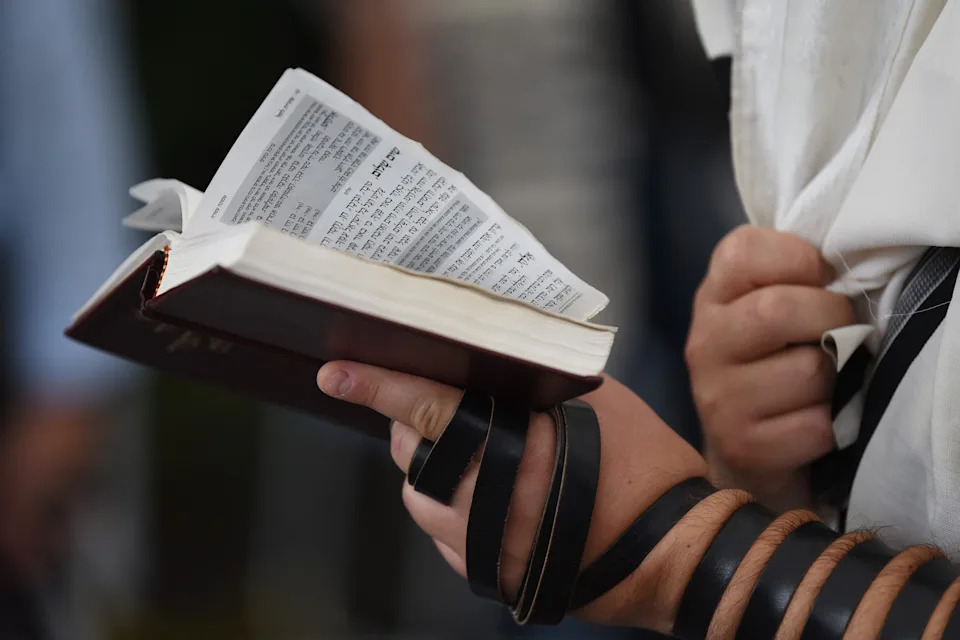
A participant holds a prayer book during outdoor morning services (Shacharit, in Hebrew) at the back of Congregation Shomrei Torah in Fair Lawn, N.J., on Sept. 10, 2020.
Members of other faiths have raised similar issues: some Muslim morning prayers conclude at dawn, so a later sunrise could also complicate their established schedules.
What’s Next
The bill is now before the U.S. Senate. Supporters point to fewer clock changes and longer evening daylight; opponents urge consideration of regional and religious impacts, child safety, and health evidence. Agudath Israel has asked senators to oppose or amend the bill to account for these consequences.
Bottom Line: Making DST permanent would shift natural dawn later in winter across large parts of the United States, with disproportionate effects on religious communities whose rituals depend on sunrise, as well as on school commutes and public health.
Help us improve.