Nithya Raman hailed a 49% drop in unsheltered homelessness in Council District 4, attributing the improvement to a data-driven, interventionist approach. Citywide, homelessness rose 3.4% to 45,194 people and unsheltered homelessness climbed 7.9% to 29,115. LAHSA blamed cuts to the Time Limited Subsidies program for reduced enrollments, a fall of more than 5,000 permanent housing placements and a 36% drop in shelter exits to permanent housing. The mayor's campaign says its Inside Safe program moved 236 people indoors in District 4 and accused Raman of taking credit for work she did not run.
Raman Highlights 49% Drop in District Homelessness While Citywide Numbers Rise
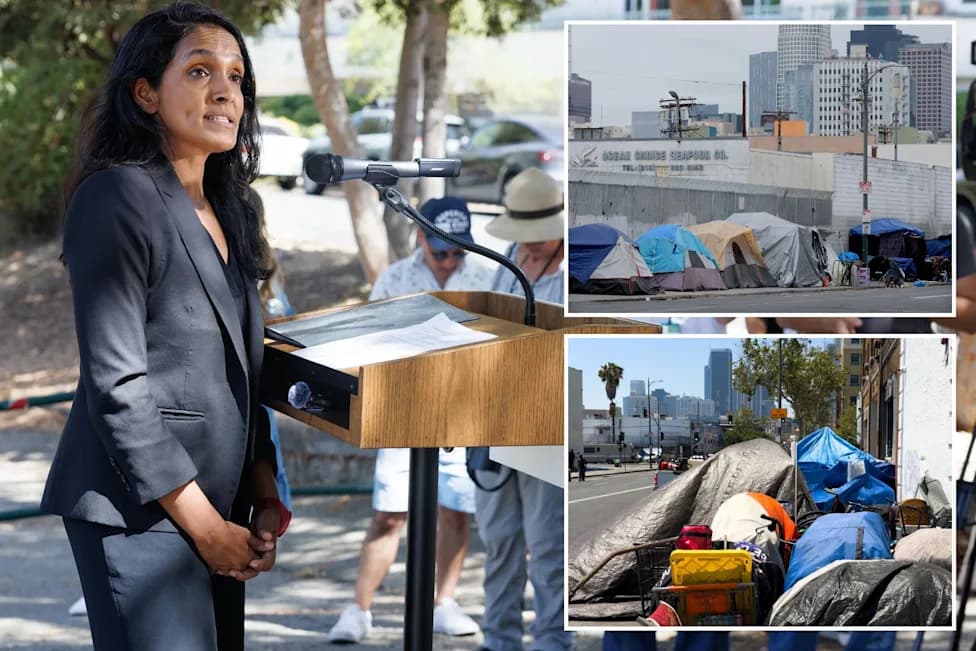
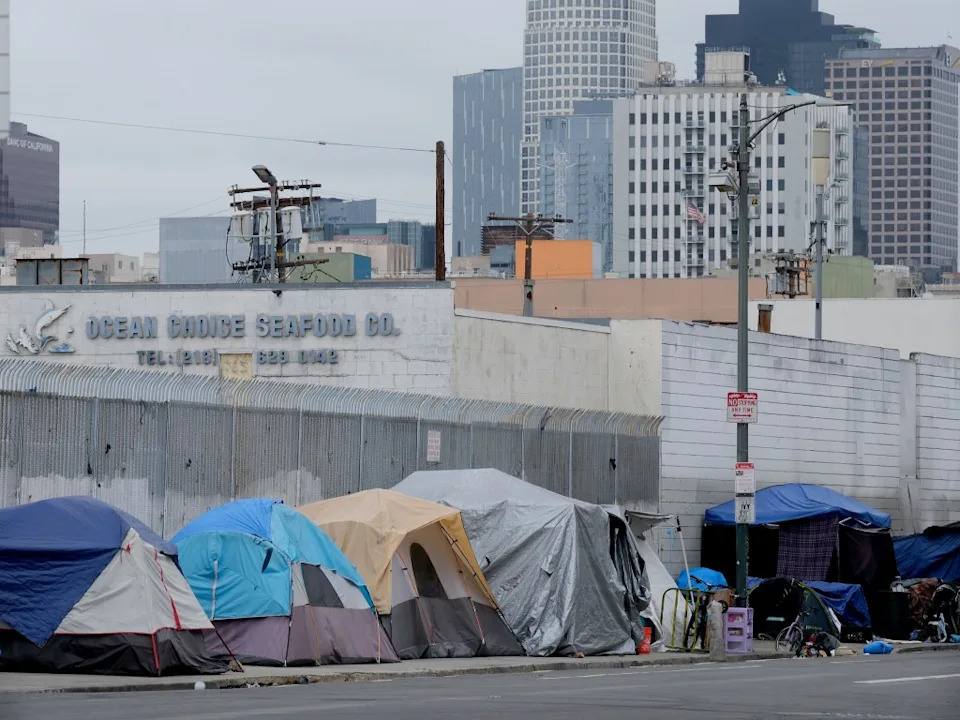
An image collage containing 3 images, Image 1 shows LA Mayoral candidate Nithya Raman speaks at a press conference, Image 2 shows Homeless tents lining 5th and Central Avenue in Skid Row, Los Angeles, with city buildings in the background, Image 3 shows Various items covered by tarps on Skid Row in Los Angeles
Hours after Los Angeles released new homeless-count data showing a citywide increase, Councilmember Nithya Raman — chair of the City Council's Housing and Homelessness Committee — touted a dramatic 49% drop in unsheltered homelessness in Council District 4.
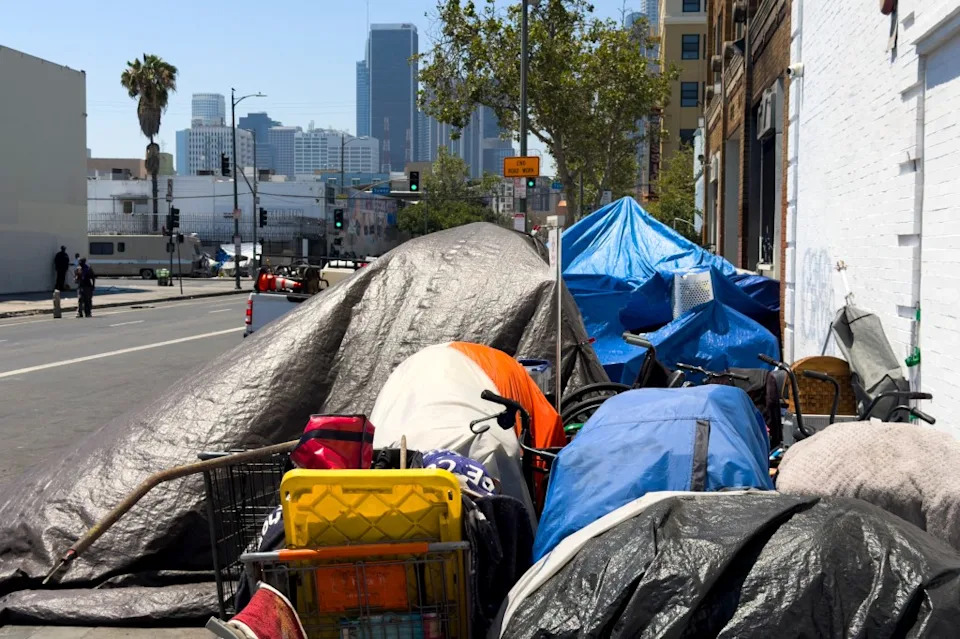
Various items covered by tarps on Skid Row in Los Angeles. Ringo Chiu for CA Post
Raman credited the decline to a data-driven, interventionist strategy in her district: intensive outreach, dedicated homelessness staff, continuous encampment tracking and close monitoring of shelter bed availability. She also cited a 41% drop in tents, RVs and other makeshift shelters in the district.
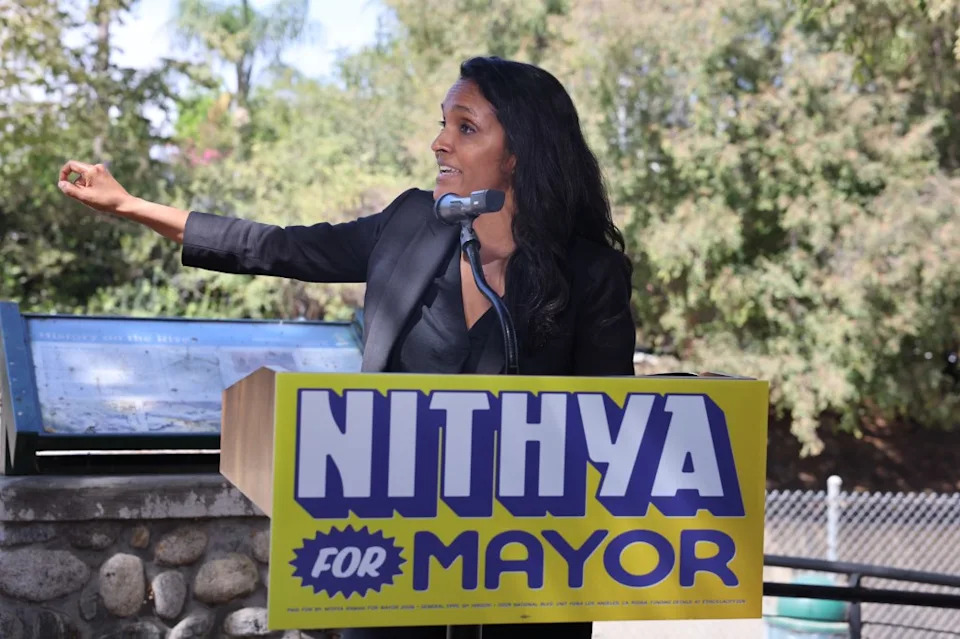
Raman spoke Friday after new homeless count data showed unsheltered homelessness in her Council District 4 fell 49%, even as homelessness increased citywide. for CA Post
Citywide Picture Remains Troubling
Despite the district-level improvements, Los Angeles overall saw homelessness rise 3.4% to 45,194 people this year, while the number living unsheltered increased 7.9% to 29,115 — reversing two years of declines even as government spending on homelessness approaches $3 billion annually.
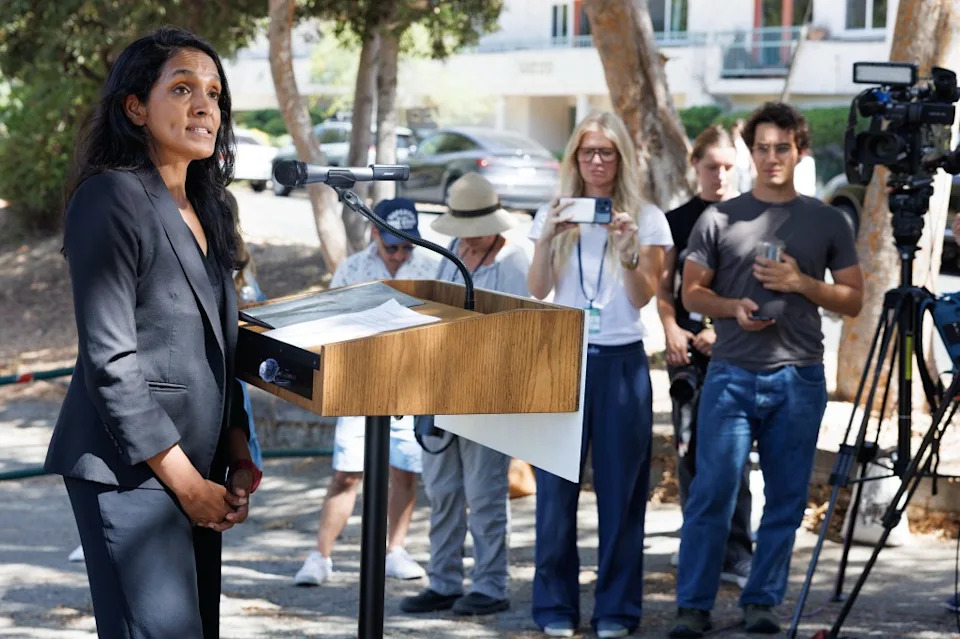
Nithya Raman defended her data-driven approach to homelessness Friday. for CA Post
LAHSA Cites Funding Cuts
The Los Angeles Homeless Services Authority (LAHSA) said one major driver of this year's increase was reduced funding for the Time Limited Subsidies program, which provides temporary rental assistance and case management to help people move into permanent housing. LAHSA's annual report found that after funding was cut, new enrollments fell sharply.
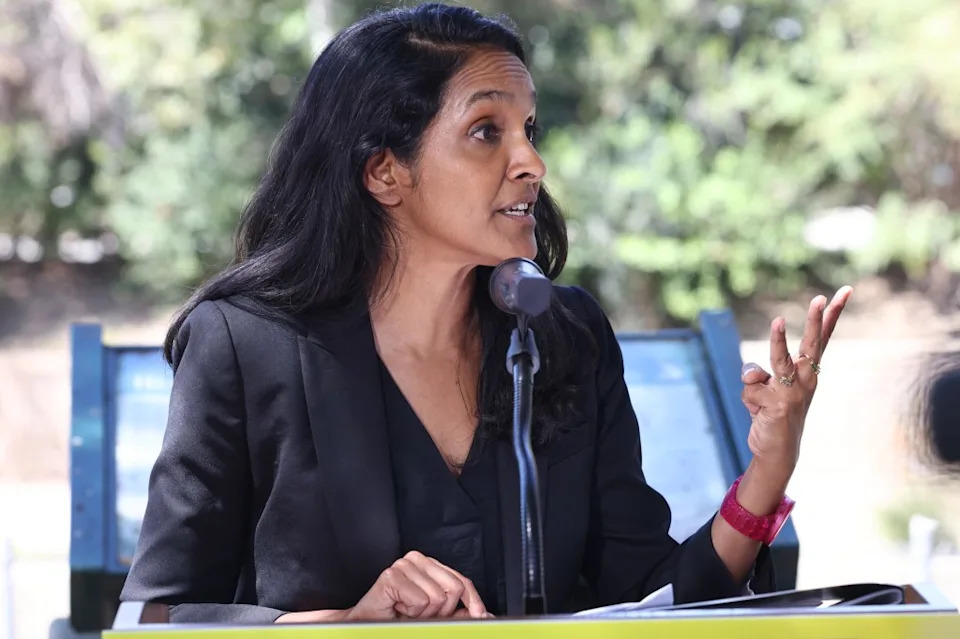
Los Angeles' 2026 homeless count showed the number of people living on the streets rose nearly 8%, reversing two years of declines. for CA Post
The report also said permanent housing placements dropped by more than 5,000 people and exits from shelters to permanent housing fell 36%, creating bottlenecks that left more people stuck in shelters or returning to the streets.
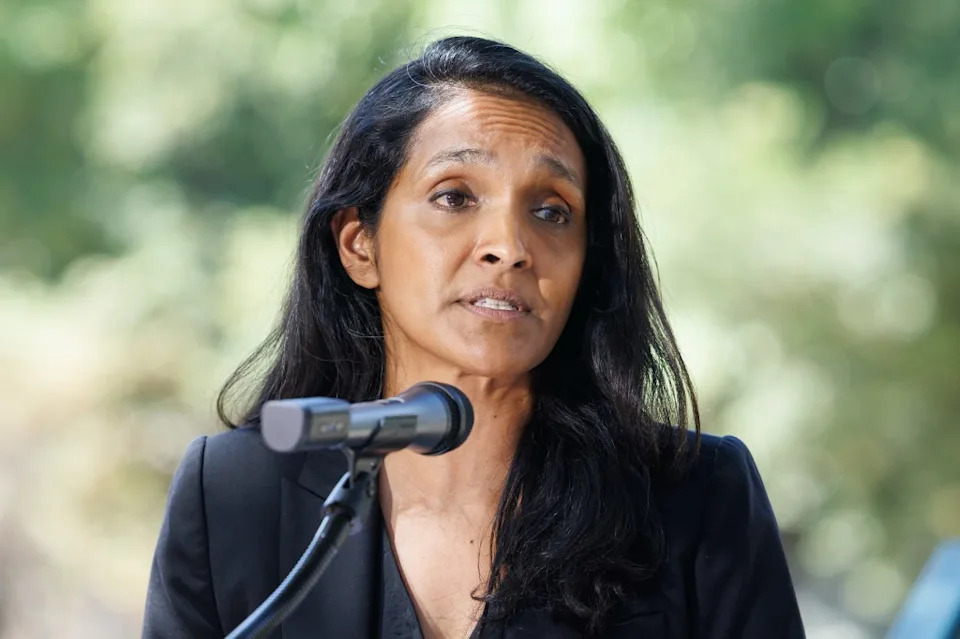
As chair of the City Council's Housing and Homelessness Committee, Nithya Raman faced questions about why homelessness increased across Los Angeles despite improvements in her own district. for CA Post
Political Back-and-Forth
Raman defended the Time Limited Subsidies model — a centerpiece of her mayoral campaign — arguing the spike in homelessness reflects a lack of funding rather than a flawed approach. She repeatedly drew a distinction between the City Council's role in setting policy and the mayor's role in day-to-day implementation, saying, "The mayor is the CEO of our city."
Mayor Karen Bass' campaign challenged Nithya Raman's claims of success, arguing the city's Inside Safe program helped drive the decline in homelessness in Council District 4. Andy Johnstone for CA Post
"My office takes the most aggressive interventionist approach to homelessness you will find in Los Angeles," Raman said, emphasizing oversight and outcomes tracking.
The mayor's campaign pushed back. Alex Stack, a spokesperson for Mayor Karen Bass, accused Raman of taking credit for work tied to the mayor's Inside Safe program while simultaneously criticizing that program during her campaign. The Bass campaign said Inside Safe moved 236 people indoors in District 4 since 2023 — more than the district decline Raman highlighted — and noted Raman did not attend Inside Safe operations in the district last year.
Critics have also targeted the redesigned Time Limited Subsidies program itself: reporting earlier this year said the $62.6 million program had housed just three households nearly a year after the overhaul was approved, a figure opponents cited as evidence of implementation problems.
What Raman Proposes
Pressed on citywide increases while chairing the homelessness committee, Raman argued for rigorous program-level oversight: "Measure outcomes program by program, bed by bed," she said, urging officials to quickly end tactics that fail and expand strategies that consistently move people into permanent housing.
The clash underscores the political stakes around homelessness in Los Angeles, where differing views on funding, program design and operational responsibility continue to shape outcomes even as the city spends heavily on the crisis.
Help us improve.