This report ranks 20 major U.S. Christian traditions by how they welcome or exclude LGBTQ+ people, summarizing official policies on marriage, ordination, adoption and anti-discrimination. It highlights fully affirming bodies (like the MCC and UUA), several mainline Protestant traditions that permit LGBTQ+ ordination or same-sex rites in many settings, and conservative denominations that oppose same-sex relationships and gender transition. Because many churches grant congregational autonomy, lived experiences for LGBTQ+ worshippers can vary greatly from one community to another.
Blessed Be Our Rights: Ranking 20 U.S. Christian Traditions By Their Support For LGBTQ+ People
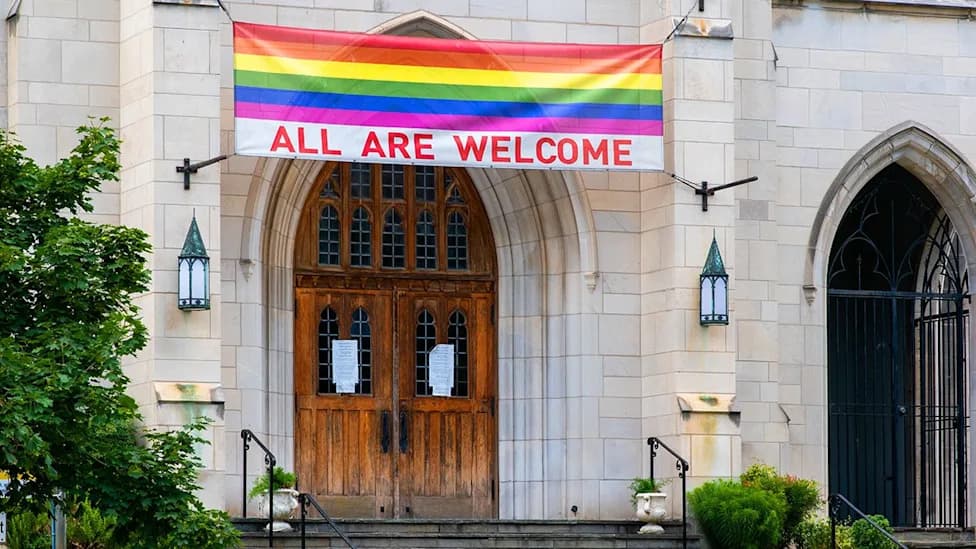
Church in Washington DC with all are welcome rainbow flag sign
Spiritual life and institutional religion often tell different stories for lesbian, gay and bisexual Americans. While many LGB people report beliefs and experiences similar to the general population, a large share say organized religion has harmed them—leading many to leave or to seek more welcoming communities. This report ranks 20 major U.S. Christian traditions by how they treat LGBTQ+ worshippers, summarizing key policies on marriage, ordination, adoption and anti-discrimination.
Methodology: This ranking synthesizes recent Pew Research and Williams Institute findings, official denominational statements, widely reported policy changes (through 2026), and reputable coverage from faith and LGBTQ+ news sources. Where denominations grant congregational autonomy, we note variation in practice.
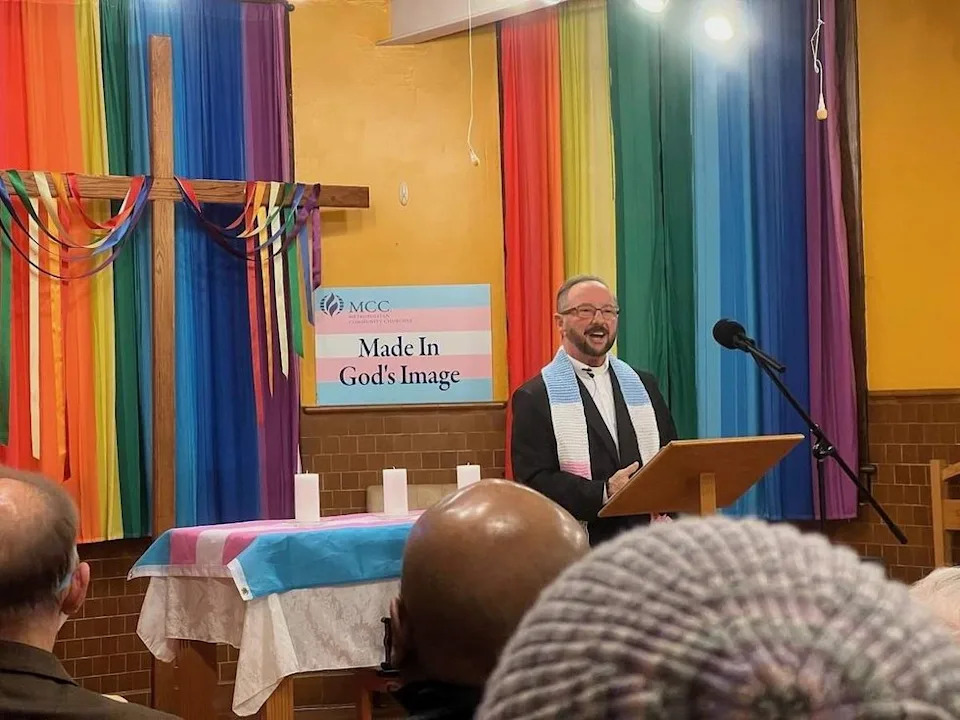
Metropolitan Community Church (MCC)
Founded in 1968 as an explicitly affirming denomination, MCC performs same-sex marriages, ordains LGBTQ+ people (including trans and nonbinary ministers) and actively supports adoption and anti-discrimination. Roughly 23,000 members across 233 congregations in 42 countries. Highly affirming at institutional and congregational levels.
Unitarian Universalist Association (UUA)
Although historically rooted in Christian streams, the UUA is non-creedal and strongly committed to social justice. It has supported same-sex unions since the 1980s, ordains LGBTQ+ ministers, and explicitly protects transgender and gender-nonconforming people. Approximately 153,000 certified members and broad DEI commitments.
United Church of Christ (UCC)
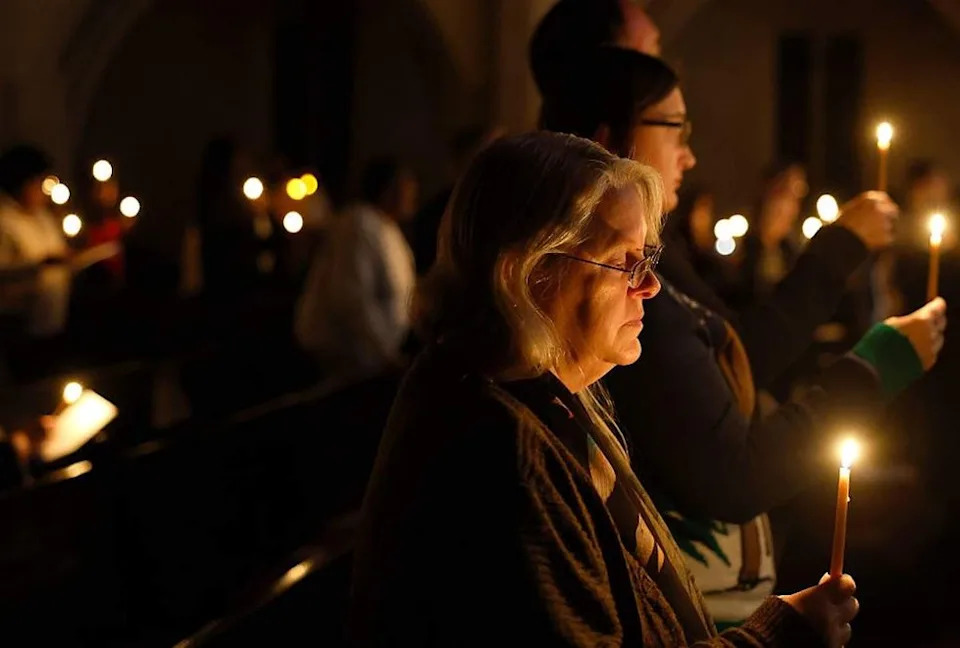
Known as one of the most accepting mainline denominations, the UCC has celebrated same-sex marriages since 2005 and has ordained LGBTQ+ pastors since the 1970s. With roughly 1.3 million members in autonomous congregations, acceptance can vary locally but denominational policy affirms inclusion and adoption rights.
Presbyterian Church (U.S.A.) (PCUSA)
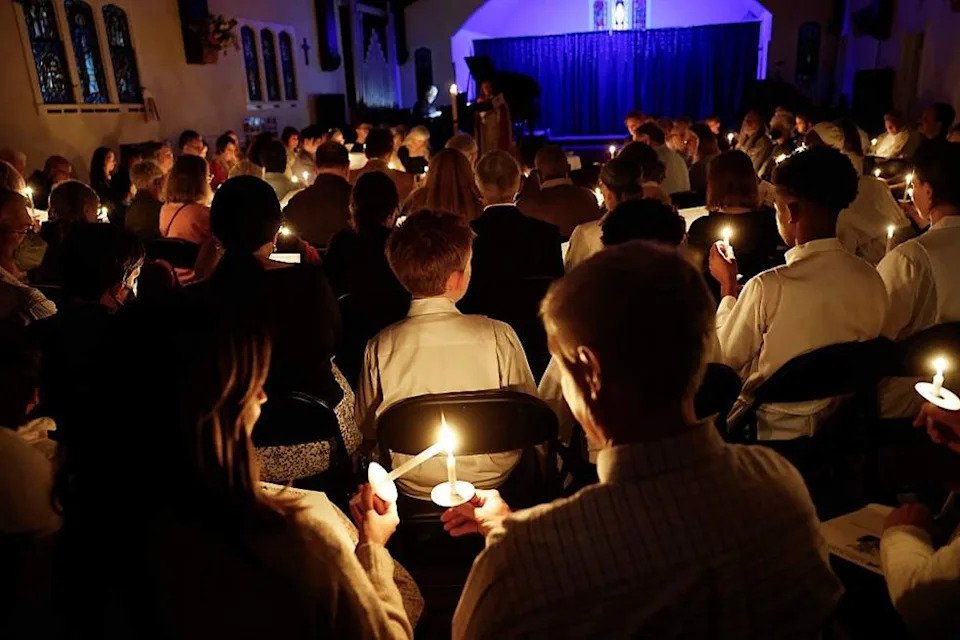
The PCUSA endorses marriage equality (2014) and protections for transgender and nonbinary members (2018). Ordination of openly LGBTQ+ ministers is permitted at the congregational level. The denomination, with about 1.4 million members, supports adoption rights and anti-discrimination measures while allowing local variation.
Episcopal Church
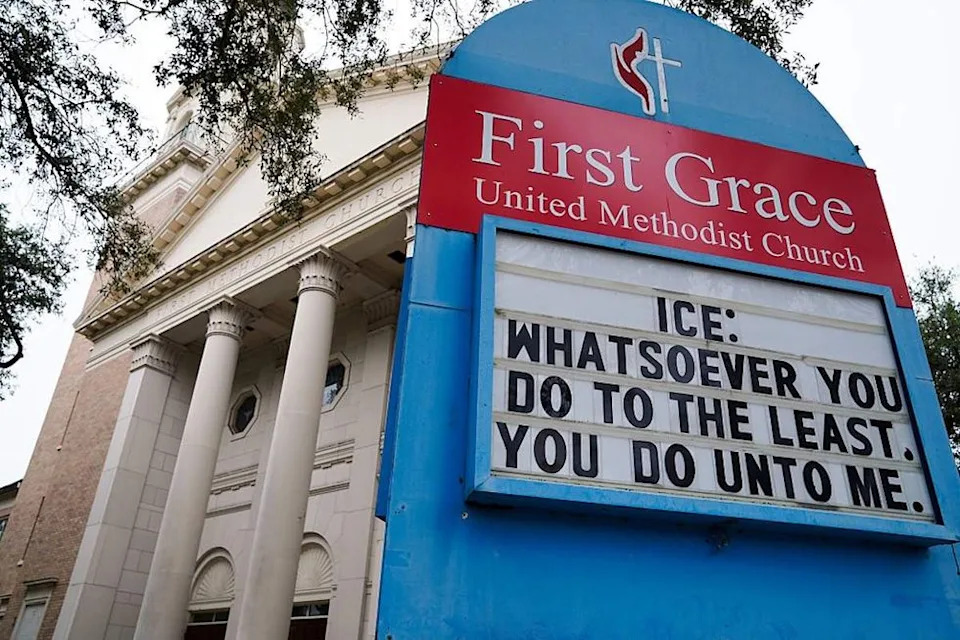
Part of the Anglican Communion but distinct in practice, the Episcopal Church authorized same-sex marriage rites (2015) and recognizes gender identity and expression in its canons. It consecrated an openly gay bishop in 2003 and approved transgender ordination in 2012. Institutional policy affirms adoption rights and opposes discrimination.
United Methodist Church (UMC)
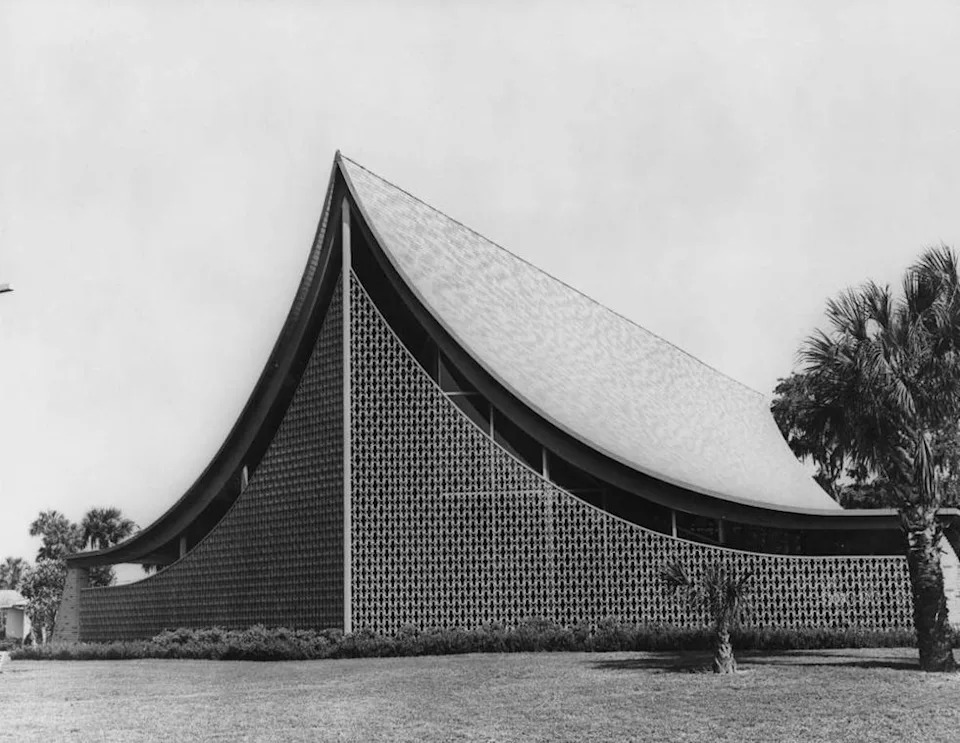
After a landmark 2024 General Conference vote, bans on same-sex marriage and LGBTQ+ ordination were removed effective January 1, 2025. The change prompted a conservative split—about 25% of congregations left—but the denomination now affirms non-discrimination and supports adoption by same-sex couples. Regionalization reforms aim to accommodate diverse convictions.
Christian Church (Disciples of Christ)
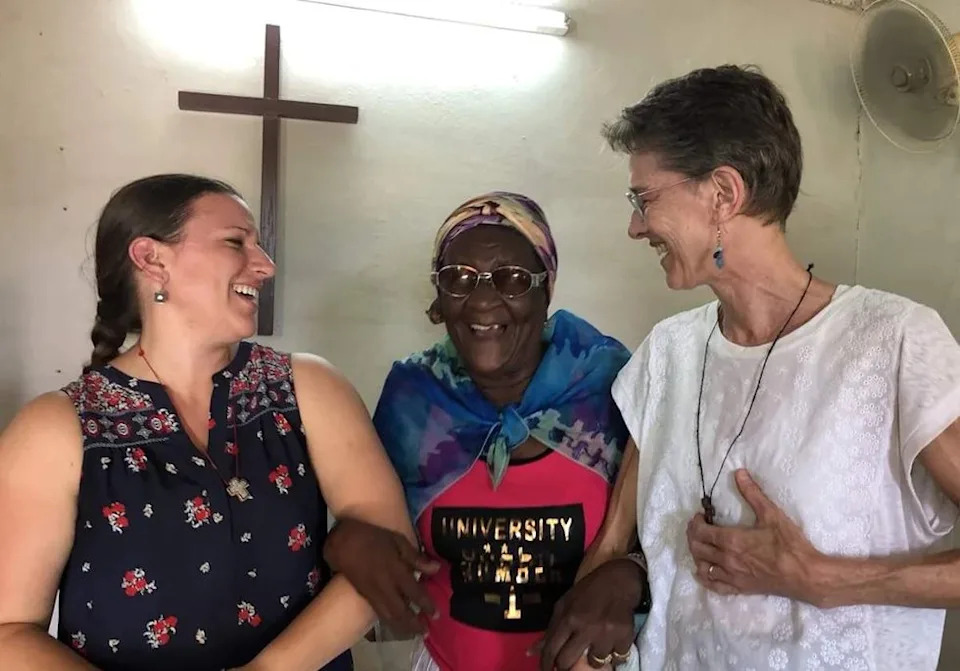
The Disciples affirmed welcome for LGBTQ+ people in 2013 and encourages inclusive practice while preserving congregational autonomy. Many congregations celebrate same-sex marriages and have ordained LGBTQ+ clergy; overall policy promotes non-discrimination but allows local variance.
Alliance of Baptists
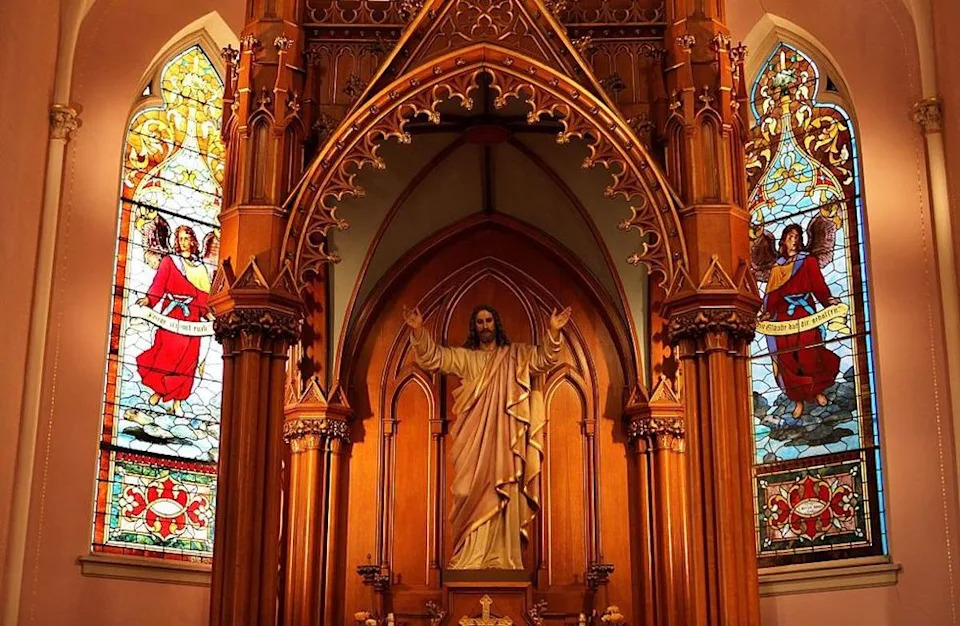
Formed by progressives from the Southern Baptist tradition, the Alliance explicitly welcomes LGBTQ+ people and has ordained LGBTQ+ ministers since its founding in the late 1980s. Small (roughly 4,500 members) but vocal in support for anti-discrimination and LGBTQ+ rights.
Evangelical Lutheran Church in America (ELCA)
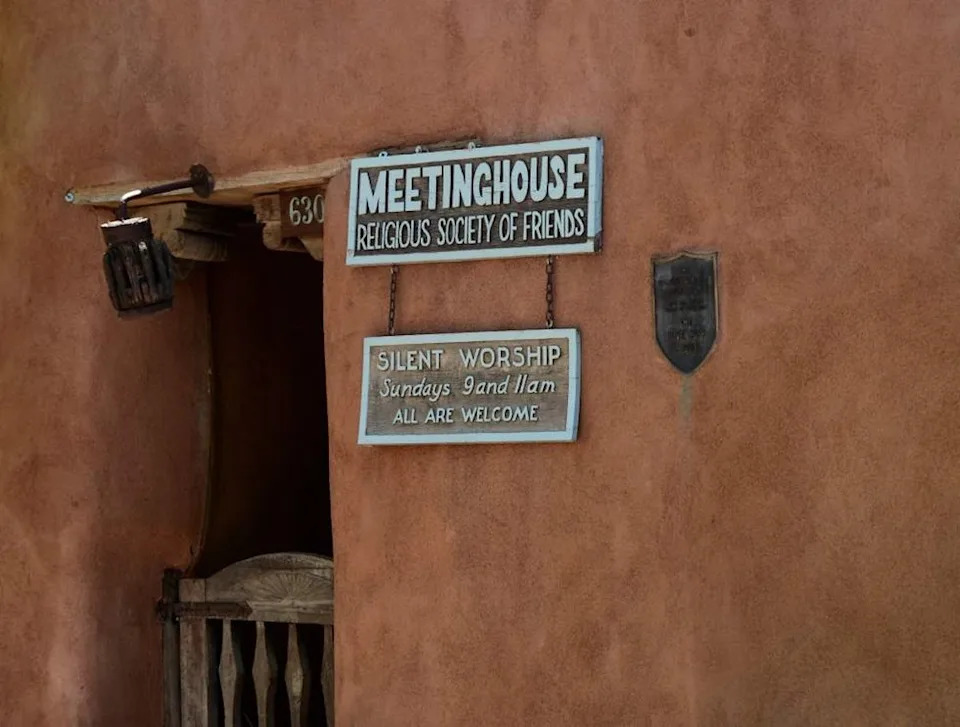
The ELCA is generally the most inclusive of major U.S. Lutheran bodies. It opposes discrimination and supports adoption by same-sex couples. Since 2010, fuller pathways for LGBTQ+ ordination exist, though some decisions remain at the congregational level. The 2025 assembly left some marriage questions to local choice until 2028.
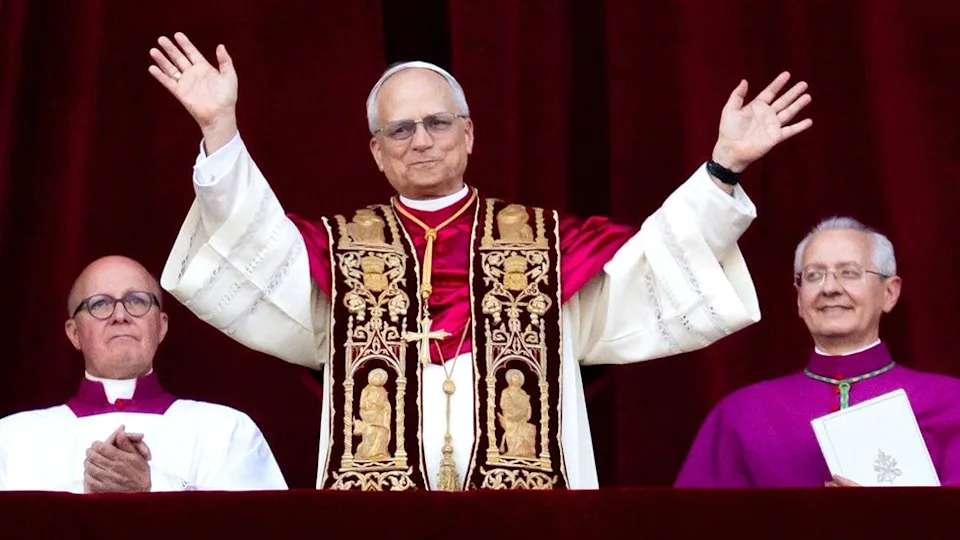
Newly elected Pope Leo XIV cardinal Robert Prevost arrives on the main central loggia balcony of St Peters Basilica for the first time
Religious Society of Friends (Quakers)
Quaker communities vary: Friends General Conference is broadly welcoming while Friends United Meeting tends to be more cautious and Evangelical Friends are often conservative. Many meetings affirm same-sex unions and full participation of LGBTQ+ people, but practices differ because Quaker meetings are autonomous.
Roman Catholic Church
The U.S. Catholic Church (part of a global institution with more than 75 million U.S. adherents) distinguishes orientation from acts: official teaching calls homosexual acts morally disordered while urging respect for individuals. The Vatican allows informal blessings but rejects any rite equating to marriage. Practice and pastoral response vary by diocese and bishop.
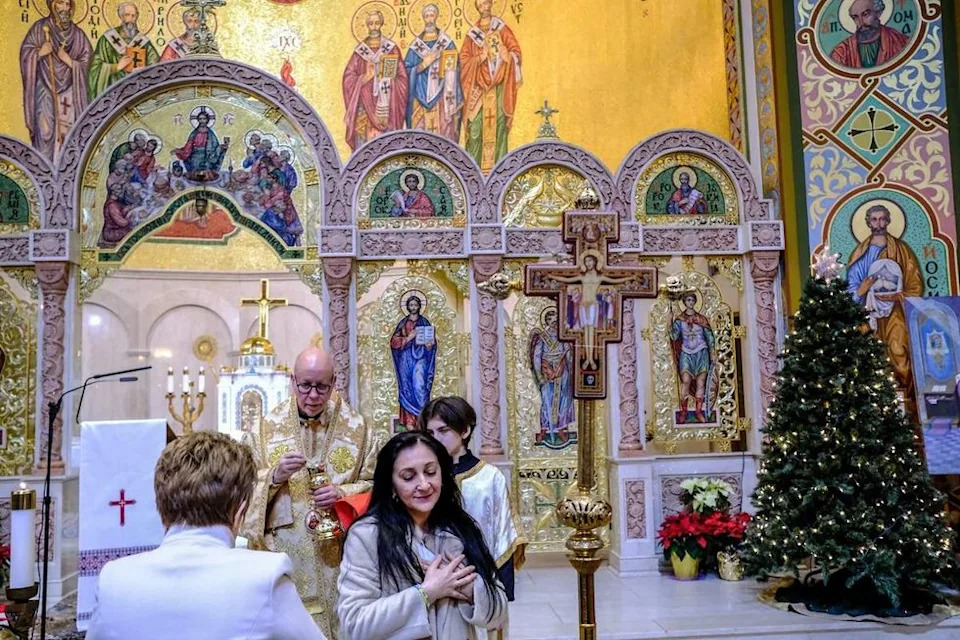
Eastern Orthodox Churches
Eastern Orthodox bodies uniformly reject same-sex marriage and regard same-sex sexual activity as sinful; many discourage gender-confirmation surgery. The tradition is decentralized, with pastoral practices varying by jurisdiction, but institutional teaching is conservative on sexuality and gender.
American Baptist Churches USA (ABCUSA)
ABCUSA permits a range of views across autonomous congregations but historically has adopted statements cautious or critical of homosexuality. In 1992 it described homosexuality as "incompatible with Christian teaching," and ordination standards have required affirmations about sexual conduct in some contexts.
National Baptist Convention, USA (NBCUSA)
The largest predominantly African American denomination in the U.S., NBCUSA affirms congregational autonomy but has publicly upheld marriage as between a man and a woman. Institutional guidance has discouraged participation in rituals that imply support for same-sex marriage, though discussion and advocacy for change continue in some quarters.
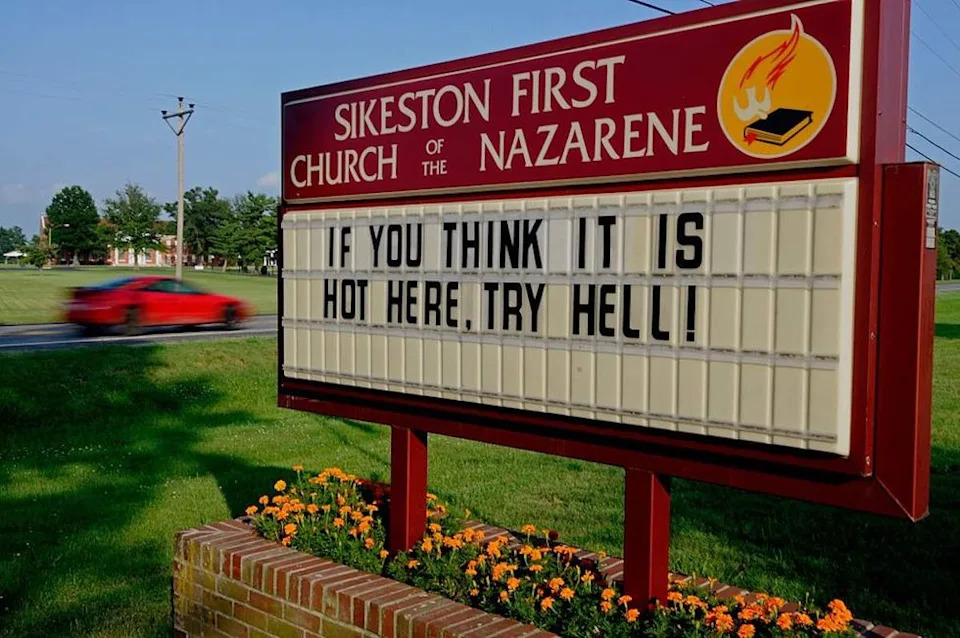
Church of the Nazarene
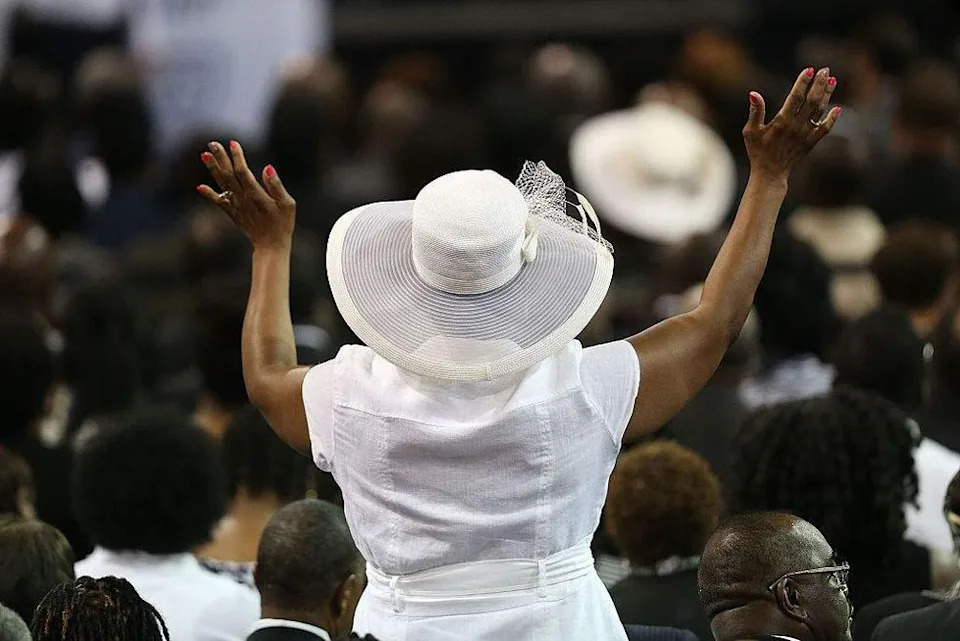
The Nazarene Church emphasizes dignity for individuals but maintains conservative sexual ethics in its Manual, describing same-sex intimacy as contrary to biblical teaching. Ordination and employment standards emphasize sexual "purity" and adherence to a Christian code of conduct.
African Methodist Episcopal Church (AME)
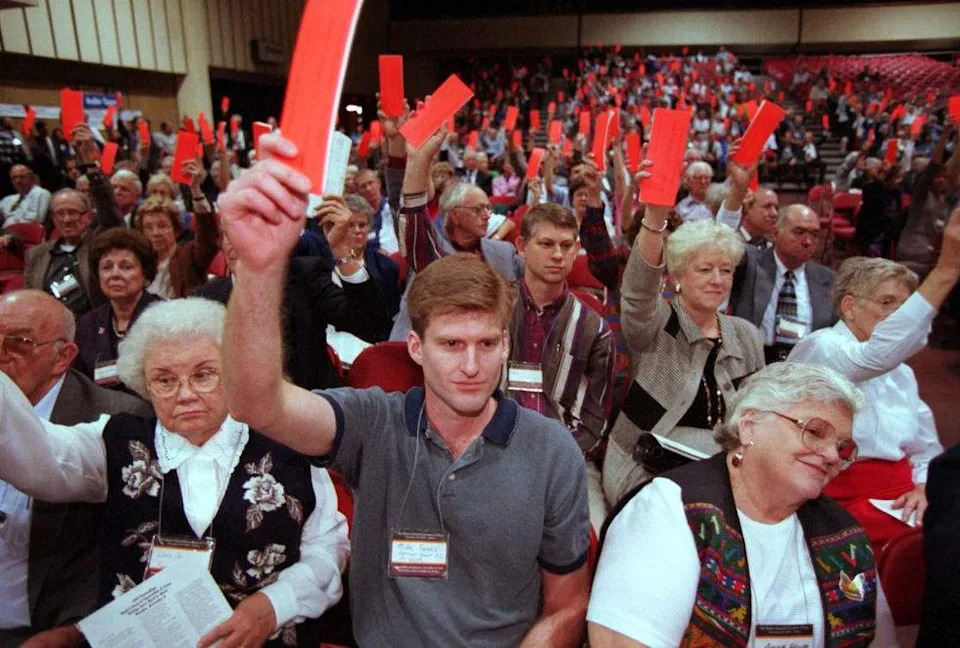
Founded to protest racial discrimination, the AME adopted a 2004 policy declaring same-sex unions contrary to God’s will and forbidding clergy from officiating at them. Debates continue: a Sexual Ethics Discernment Committee produced research, and some clergy and delegates advocate for reconsideration ahead of future conferences.

Southern Baptist Convention (SBC)
The SBC is the largest U.S. Protestant denomination and takes explicitly anti-LGBTQ+ positions: it condemns homosexual behavior, opposes same-sex marriage, LGBTQ+ ordination, and legal protections based on sexual orientation or gender identity. Ordination and pastoral leadership are reserved for men.
The Church of Jesus Christ of Latter-day Saints (LDS)
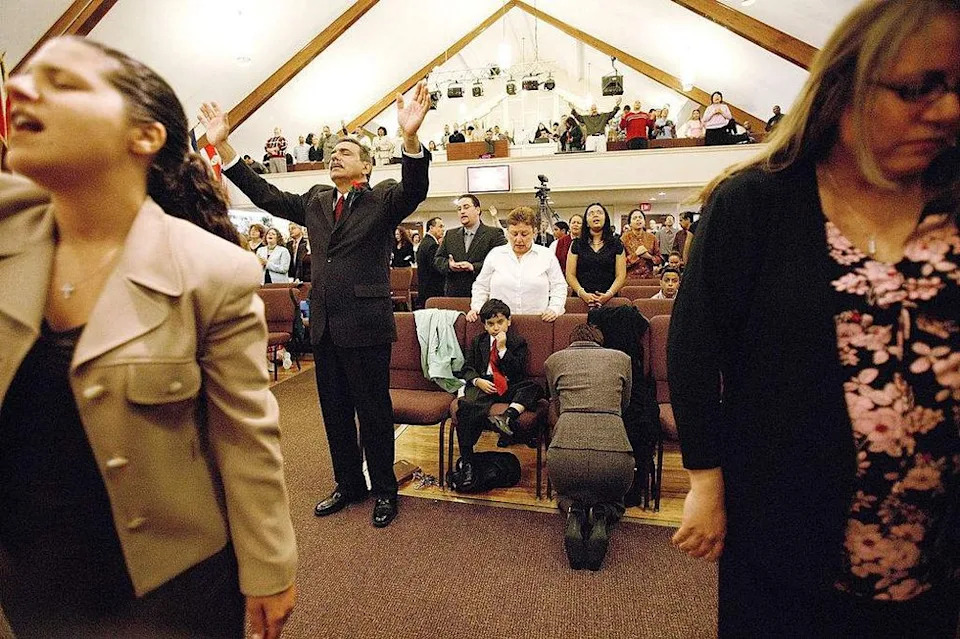
The LDS Church distinguishes attraction from behavior: same-sex sexual activity remains prohibited, and temple and priesthood access are tied to adherence to sexual teachings. A 2015 policy that had imposed strict disciplinary measures was reversed in 2019, but the church continues to discourage medical and social gender transition and encourages pastoral care emphasizing doctrine.
Pentecostal Denominations
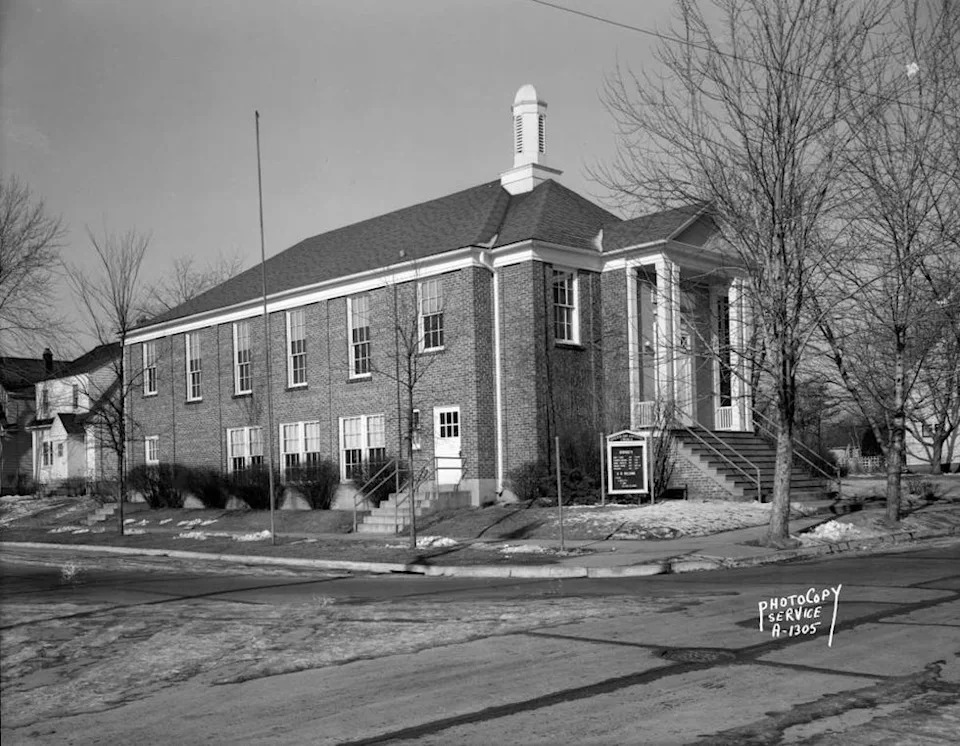
Pentecostalism in the U.S. encompasses many independent bodies (Assemblies of God, Church of God in Christ, United Pentecostal Church International, and others). Most maintain conservative sexual ethics and oppose same-sex relationships and gender transition; specifics vary by denomination and local congregation.
Seventh-day Adventist Church
The Adventist Church reaffirms marriage as between a man and a woman and generally opposes same-sex relationships. Leadership calls for treating transgender people with dignity, but doctrinal statements emphasize traditional gender norms. Ordination of women varies by region.
Conclusion: Denominational policy and congregational practice produce widely varying experiences for LGBTQ+ Christians. Some bodies mandate full inclusion, while others enforce traditionalist teachings; many fall between these poles with significant local variation. Readers seeking spiritual community should consider official denominational positions and, importantly, local congregational practice.
Help us improve.