Omani diplomats arrived in Tehran to discuss coordinating navigation through the Strait of Hormuz as US–Iran hostilities continue. The strait — historically carrying about 20% of global oil and gas flows — has become a focal point of the crisis. Talks follow a collapsed Memorandum of Understanding and come amid a 14-day exchange of air strikes; Iran reports at least 55 killed and nearly 650 injured in recent US attacks.
Oman Sends Delegation To Tehran To Discuss Management Of Strait Of Hormuz As US–Iran Strikes Continue
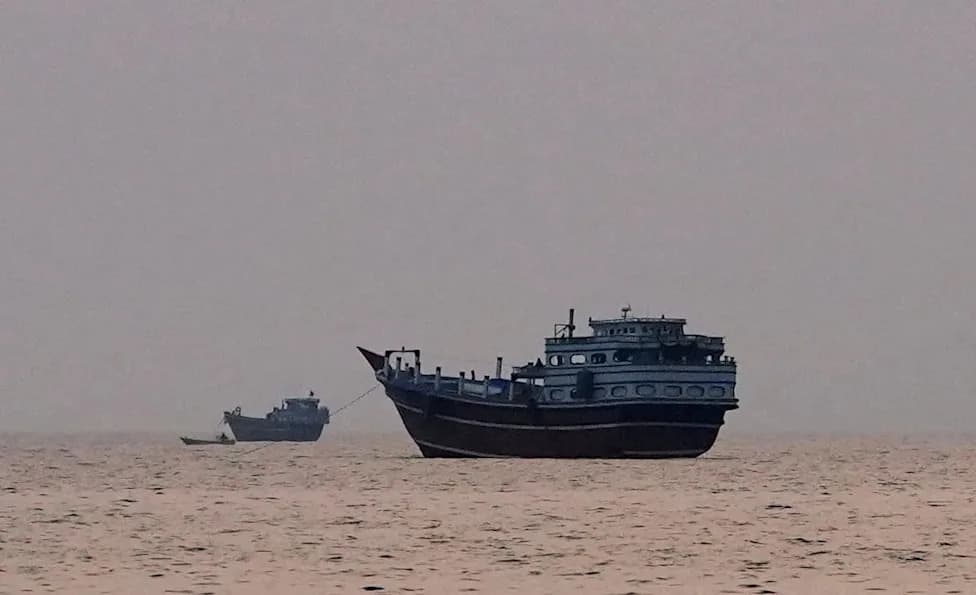
The Strait of Hormuz has become the key point in the Iran-US war, as global energy prices spike worldwide due to its closure. [File: Reuters]
A delegation from Oman arrived in Tehran late on Friday to discuss mechanisms for managing vessel movements through the Strait of Hormuz, Iran's state-run IRNA news agency reported. The talks come as the United States and Iran continue exchanging strikes across the region.
Diplomatic Talks in Tehran
Omani diplomats held meetings with Iranian officials to explore options for coordinating navigation through the strategically vital waterway. Iran's Foreign Ministry said Foreign Minister Abbas Araghchi spoke by phone with his Omani counterpart, Badr Albusaidi, as part of the consultations. No details of specific proposals were released.
Why the Strait Matters
The Strait of Hormuz is a key global shipping choke point. Before the latest outbreak of hostilities, roughly 20 percent of global oil and gas exports transited the strait. Closure or disruption of the waterway risks driving up energy prices and further unsettling global markets.
Positioning and Reactions
Tehran has said it would be open to jointly managing the passage with Oman. The United States and several Gulf states have rejected that model. Oman, which controls territory at the entrance and exit to the strait, has a history of mediating regional disputes and maintains diplomatic ties with both Iran and Gulf states.
Albusaidi posted on X: "Vital waterways, including the Strait of Hormuz, must remain open and accessible for navigation, free from any measures that would impede freedom of navigation and international trade flows."
Military Escalation
Despite diplomatic efforts, US and Iranian forces have exchanged air strikes for more than two weeks. A Memorandum of Understanding briefly paused fighting last month but collapsed amid disagreements over guarantees for freedom of navigation in the strait.
Iran's military reported further strikes on US bases across the region on Friday, naming targets in Kuwait, Bahrain and Jordan. Iran's Islamic Revolutionary Guard Corps (IRGC) claimed it targeted an Amazon data centre in Bahrain, saying the facility "provided intelligence support" to US forces — a claim the company and US officials have not independently confirmed.
A drone crash near Erbil International Airport in Iraq forced temporary suspension of flights, and Iranian media reported blasts in cities including Khorramabad, Jask, Ahvaz, Bandar Abbas and on Qeshm Island.
Wider Regional Impact
The crisis widened after Houthi rebels in Yemen declared a naval blockade against Saudi Arabia, opening a new front and prompting further attacks on commercial shipping. The Houthis have reportedly continued to strike Saudi tankers in the Strait of Hormuz and the Bab al-Mandeb Strait, although a Houthi spokesman denied the group had closed any waterways.
Casualties and Official Statements
Iran's Health Ministry said at least 55 people have been killed in recent US attacks and nearly 650 injured. The US Central Command said it had concluded its latest air strikes on Iran.
What’s Next
With diplomacy renewed but fragile and military exchanges continuing, the security of the Strait of Hormuz remains uncertain. Any further disruption could have immediate effects on global energy markets and regional stability.
Help us improve.