Researchers filming off Cabo San Lucas recorded orcas using a high-speed head-butt to fragment a massive sharp-tailed sunfish into thousands of pieces. The video, captured by Dr. Kathryn Ayres of Beneath the Waves and reported in Frontiers in Ethology, shows one whale holding the fish while another strikes. Scientists say the tactic likely helps feed calves or older whales with dental issues and may also function as social play or teaching. Similar violent-feeding behaviors have been observed off Northern California.
Watch: Orcas Smash a Giant Sunfish Into Thousands of Fragments — New Study and Video
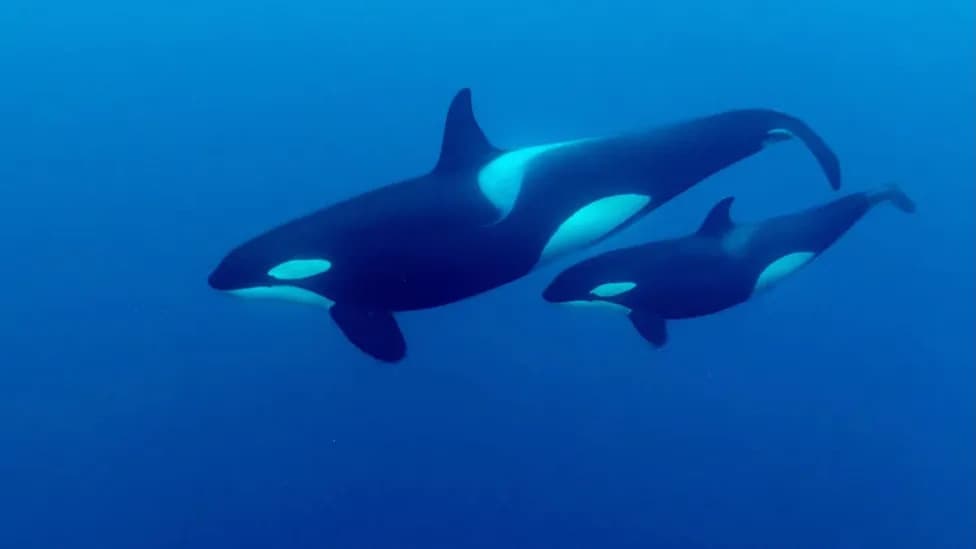
Watch: Orca Head-Butts Massive Sunfish So Hard It Explodes Like Confetti (Video)
Researchers off the coast of Cabo San Lucas captured dramatic underwater footage showing an orca pair using a high-speed head-butt to break a massive sharp-tailed sunfish into thousands of fragments. The video, recorded by Dr. Kathryn Ayres of the ocean-health nonprofit Beneath the Waves, is described in a paper published in Frontiers in Ethology.
The Footage
The clip shows one female killer whale holding a dead sunfish by its tail fin to stabilize it while a second orca accelerates and delivers a forceful head-first strike. The impact causes the sunfish’s tissue to shatter almost instantly into many small pieces.
'We document how one orca holds the sunfish and lets go just before another orca hits it at high speed, causing the tissue to break apart into thousands of pieces,' Dr. Kathryn Ayres said, describing the striking footage.
Why Orcas Use This Tactic
Giant sunfish are notable for their dense, rubbery skin and great mass — individuals can weigh many hundreds or even thousands of pounds — making them difficult to process by bite alone. Study co-author Erick Higuera suggests that, lacking hands or tools, orcas use high-speed collisions to fragment large, tough prey into bite-sized pieces, a method he calls 'incredibly practical.'
Scientists propose several possible functions for this behavior: making meat easier for toothless calves to consume, assisting older whales with worn or decayed teeth, or serving as a form of social play or teaching within the pod.
Context and Previous Observations
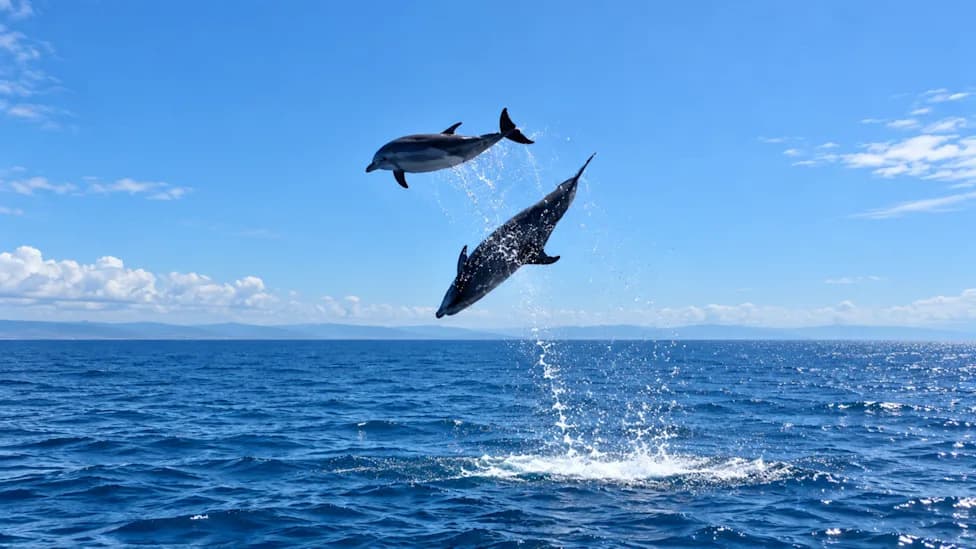
This footage adds to growing evidence of calculated and social hunting behaviors among killer whales. Similar dramatic interactions have been recorded off Northern California, where transient orcas were filmed launching dolphins roughly 20 feet into the air during hunts.
Whether aimed at feeding efficiency, pup provisioning, or social bonding, these observations underscore that orcas frequently manipulate prey in ways that can appear violent to human observers. The footage, authored by researchers at Beneath the Waves, was originally reported by Surfer on Jul 24, 2026.
Help us improve.