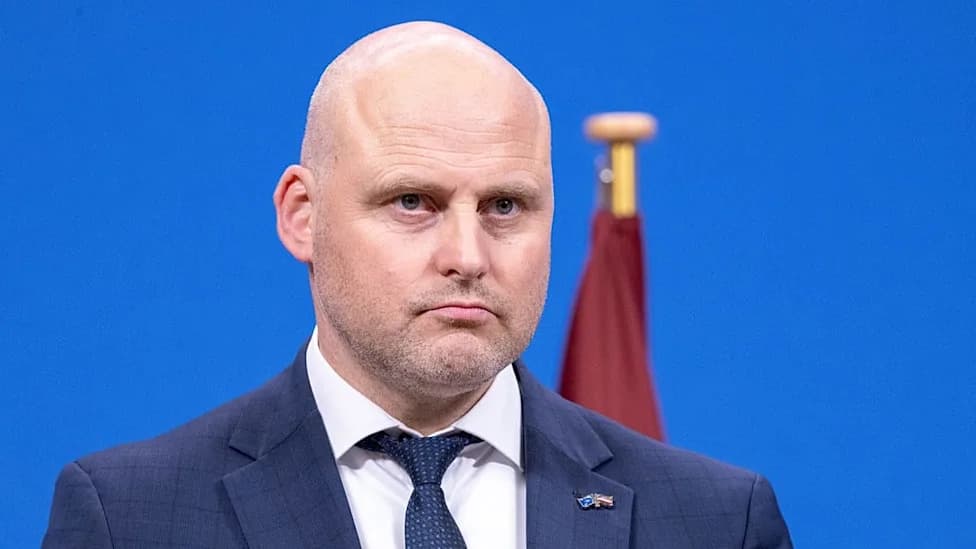
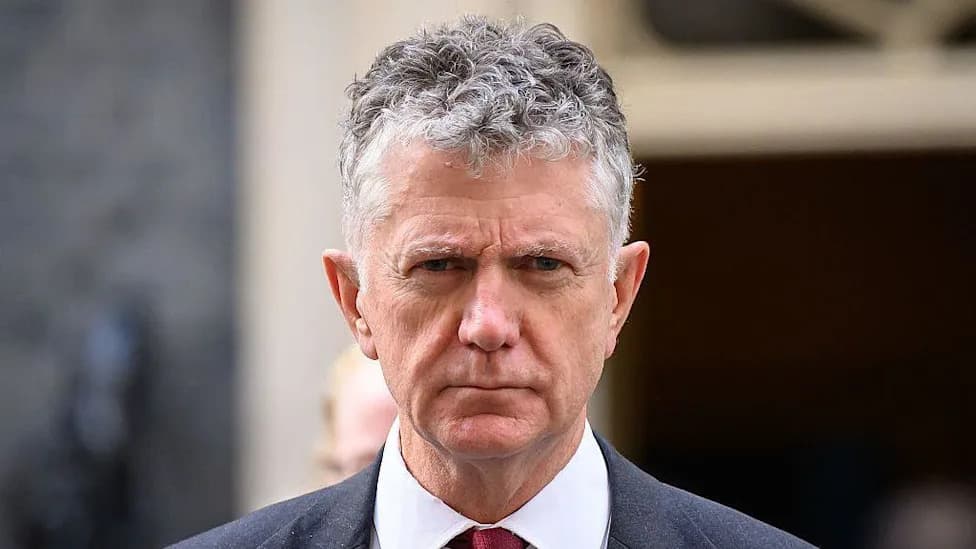
FIDE president Arkady Dvorkovich has suspended his duties after the EU placed him on a sanctions list, imposing a travel ban and asset freeze for his alleged support of Russia's annexation of Crimea and ties to events in occupied Ukrainian territories. Dvorkovich denied the accusations and said the measures were 'unlawful and unfair.' The move drew strong reactions from Ukraine and chess officials, and it throws his planned September re-election and the future balance of influence in international chess into uncertainty.
EU Sanctions Push FIDE Chief Arkady Dvorkovich to Suspend Duties — Chess World Faces Leadership Shake-up
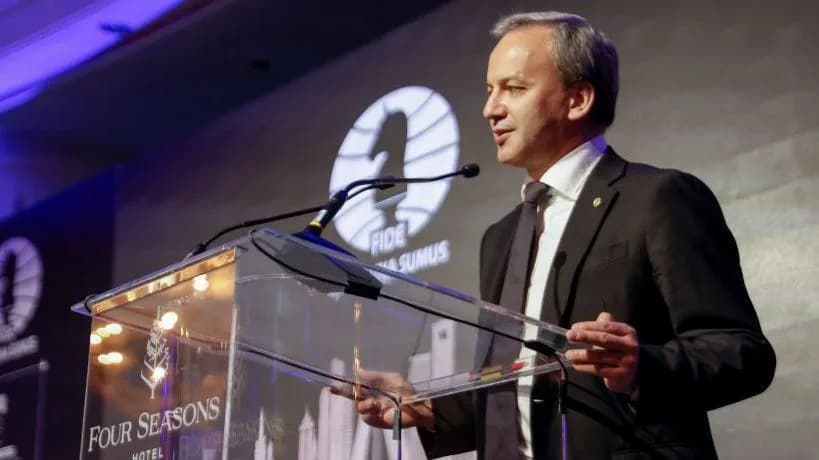
Arkady Dvorkovich has overseen the chess federation during one of the most turbulent periods in the history of the game [Getty Images]
The international chess community has been jolted after FIDE (the International Chess Federation) president Arkady Dvorkovich announced he would temporarily suspend his duties following his inclusion on the European Union's latest sanctions list.
What Happened
Dvorkovich, 54, a former Russian deputy prime minister and one-time Kremlin adviser, now faces an EU travel ban and an asset freeze. The EU said it sanctioned him for publicly supporting the annexation of Crimea and for referring to occupied Ukrainian cities as 'new territories' of the Russian Federation. The EU also pointed to his membership on the board of the Chess Federation of Russia, which has organised events in areas Kyiv and its allies consider occupied.
Dvorkovich's Response
In a statement, Dvorkovich said he had chosen to 'voluntarily suspend the exercise of my powers and duties' but told the BBC he had not formally resigned. He described the sanctions as 'unlawful and unfair' and said they were intended 'to prevent me from running and serving for FIDE.' His planned bid for re-election as FIDE president in September is now in doubt.
Reactions From Ukraine and the Chess Community
Ukrainian officials welcomed the EU decision. Volodymyr Kovalchuk, first vice-president of the Ukrainian Chess Federation, said: 'We hope never to see this man in the chess world again. People who develop sport in the interests of an aggressor state have no place in senior international positions.'
Malcolm Pein, England's representative to FIDE, described the move as 'an earthquake and a massive diplomatic victory for Ukraine,' saying it could significantly reduce Russian influence in international chess — influence that critics say Moscow has used as soft power since Soviet times.
Background And Context
Dvorkovich was first elected FIDE president in 2018 and re-elected in 2022. He has led the federation through a turbulent period that followed Russia's full-scale invasion of Ukraine more than four years ago, after which Russian national teams were banned from many international competitions. Critics accuse Moscow of a 'slow takeover' of the federation by changing internal rules and exerting pressure on other officials; Russia denies these claims.
Two years ago, with Dvorkovich at the helm, there was an attempt to readmit Russian teams and officials, but in a key vote in September 2024 the FIDE general assembly opted to keep sanctions against Russia and Belarus in place.
What Comes Next
The sanctions raise immediate questions about leadership at FIDE and the future role of Russian officials in international chess governance. Chess is experiencing a global boom — with record audiences, major sponsorship deals, and high-profile stars such as Magnus Carlsen — so the outcome of this leadership crisis could reshape the sport's political and commercial landscape.
'FIDE is based in Switzerland… our top executives include people from India, Norway, Latvia, the US, Italy, France… and other countries around the globe,' Dvorkovich said in written answers to the BBC, rejecting accusations of excessive Russian influence.
The situation remains fluid: Dvorkovich has not resigned, and FIDE's next steps will be closely watched by national federations, players, sponsors, and governments.
Help us improve.