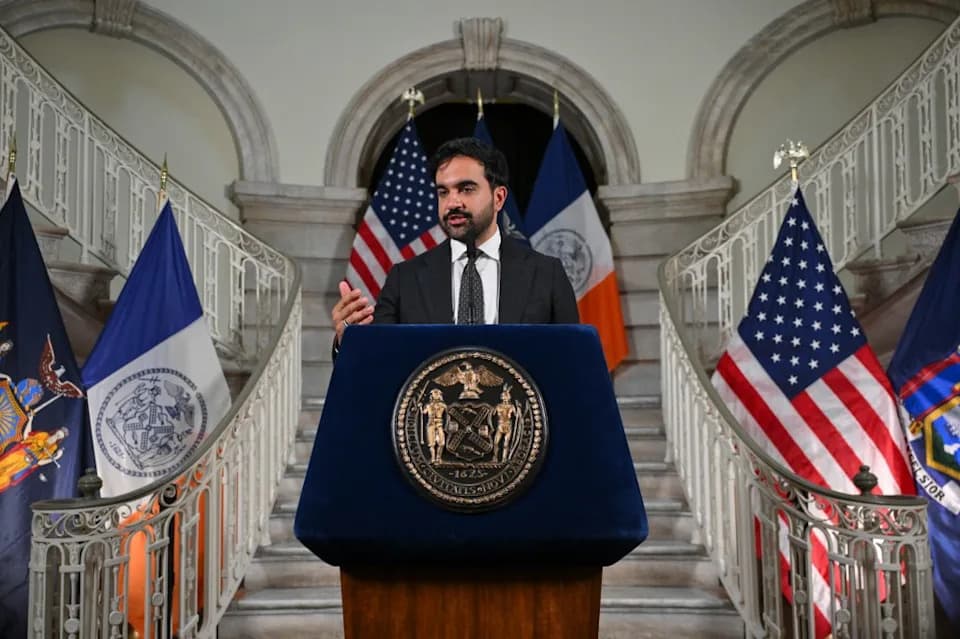
New York City Mayor Zohran Mamdani pledged to challenge a Trump administration rule that would allow immigration officers to consider use of means-tested benefits — such as Medicaid, SNAP and housing aid — when adjudicating green card applications. Advocates warn the change could subject about 588,000 applicants a year to extra review and prompt roughly 1 million people in immigrant households to avoid life-saving benefits out of fear. Some refugees and humanitarian applicants are exempt; USCIS says it will issue detailed guidance before the rule’s Sept. 18 effective date.
Mamdani Vows To Fight Trump-Era Rule That Could Let Benefit Use Hurt Green Card Applications
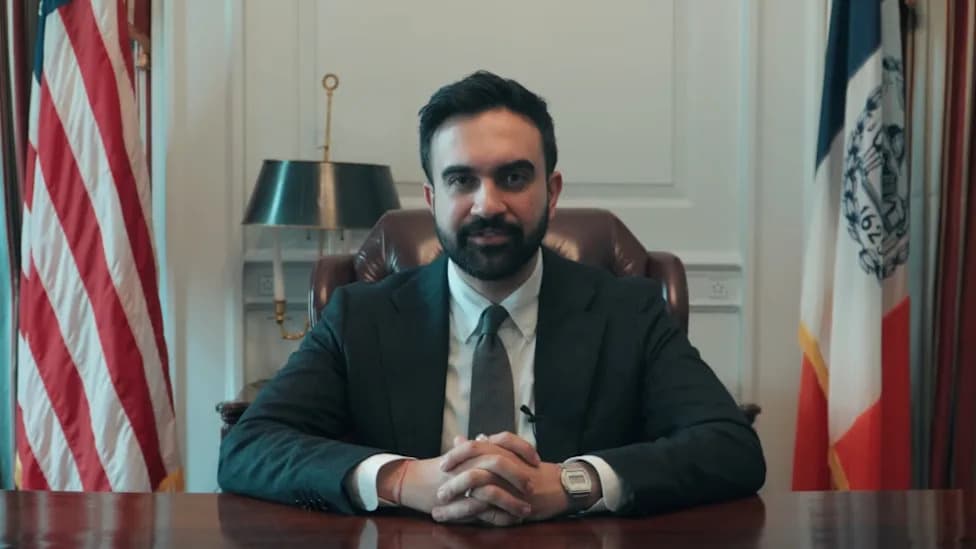
Mamdani vows to fight Trump rule tying green cards to benefit use
New York City Mayor Zohran Mamdani has pledged to challenge a Trump administration rule that would allow immigration officers to consider an applicant's receipt of means-tested benefits — including Medicaid, Supplemental Nutrition Assistance Program (SNAP) food stamps and housing assistance — when deciding green card applications. Mamdani posted on social media that the city will use "every tool at our disposal to fight this attack on immigrant families and the communities that make our city the greatest on earth," but he has not yet detailed the specific legal or administrative steps the city will take.
What the Rule Changes
The new measure rescinds a 2022 Biden-era regulation and restores broader discretion to adjudicators to weigh applicants' finances and past use of public benefits. Some groups — including certain refugees, asylees and humanitarian applicants — are exempt from the policy. USCIS Director Joseph B. Edlow said the agency is "restoring the basic principle that immigrants must be able to support themselves." The rule is scheduled to take effect on Sept. 18, and USCIS has said it will issue more detailed guidance to officers before that date.
Scope and Potential Impact
Last November, the Department of Homeland Security estimated that about 588,000 adjustment-of-status applicants a year could face public-charge review under the proposal. DHS also projected roughly 1 million people in immigrant households might forgo or avoid public benefits out of fear that using them could harm immigration cases. When a previous version of this policy was briefly in effect, it produced no denials but did increase paperwork, delays and costs for applicants.
Concern: Advocates warn the change could subject hundreds of thousands of immigrants to closer scrutiny and deter families from using benefits that can be essential to health and housing stability.
Who Is Most Exposed?
Asian immigrants are among the groups especially vulnerable to the change: immigrants represent nearly one in five U.S. healthcare workers, and Filipino immigrants account for a large share of that workforce, including more than 170,000 nurses. Nearly 1.5 million Asian immigrants remain in family-based green card backlogs, with waits in some visa categories approaching or exceeding two decades — a situation that could compound the rule's effects on long-waiting families.
Legal Background
A similar public-charge approach under the first Trump administration faced multiple court challenges and was ultimately reversed under the Biden administration. Observers and advocates have described the change as a form of wealth or means-testing and warn it could create a chilling effect that leads eligible families to decline benefits, even those intended for U.S.-citizen children.
What Comes Next
USCIS will issue detailed officer guidance before Sept. 18, and local officials, including Mayor Mamdani, may pursue legal or administrative responses. For now, the practical effects will vary by case and by adjudicator, and immigrant households and advocates are already preparing plans to respond if and when the rule is implemented.
Help us improve.