The 21st Century ROAD to Housing Act (139 pages) gives local governments new flexibility to use some federal block grants—especially CDBG—for building affordable housing and ties portions of funding to measurable housing production. A $200 million per year Innovation Fund (FY2027–2031) will reward jurisdictions that increase housing supply, while the Build Now provision can reduce certain entitlement allocations by about 10% for places below the median growth rate starting FY2029 (exemptions apply). The law streamlines administrative rules, but HUD must implement 35+ programs despite a 24% staffing reduction and the act includes limited new funding overall.
New Federal Housing Law Gives Cities More Flexibility — Grants Now Tied to Housing Production
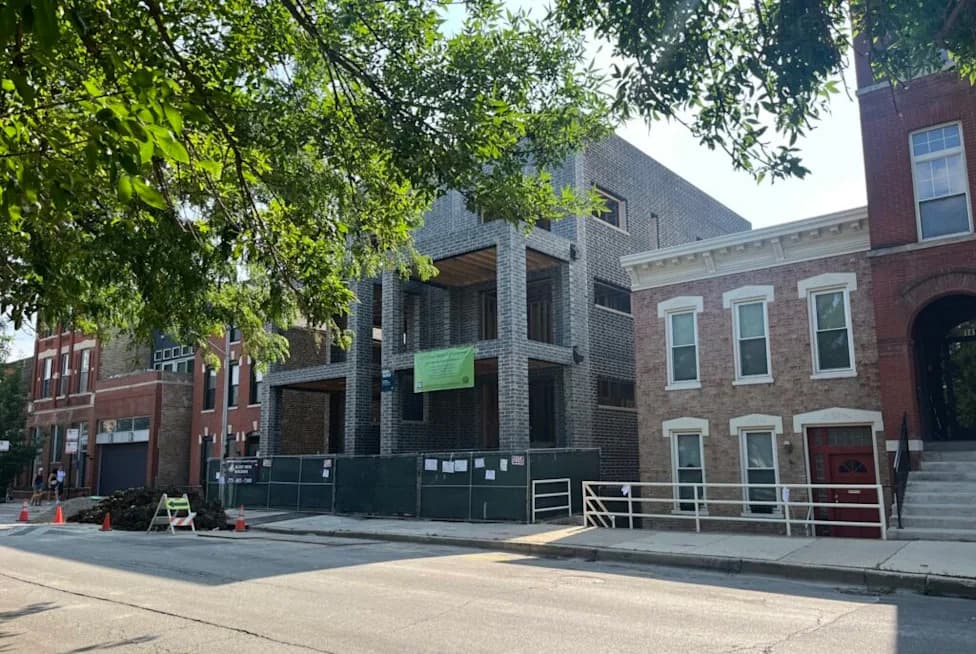
A residential duplex set for construction in Chicago. The 21st Century Road to Housing Act is being hailed for allowing municipalities to do more, such as construct affordable housing, with federal grant money. (Photo by Robbie Sequeira/Stateline)
A landmark bipartisan law, the 21st Century ROAD to Housing Act (139 pages), was enacted this month and introduces a series of changes to federal housing policy intended to push local governments to produce more homes. The law includes provisions that limit some institutional investors' purchases of single-family homes, ease rules for manufactured housing, and expand assistance for veterans. Its most consequential shifts, however, focus on increasing local flexibility to use federal grants for construction and creating financial incentives and penalties tied to housing production.
What the Law Changes
The act allows certain federal block grants—most notably the Community Development Block Grant (CDBG) program—to be used for constructing new affordable housing in ways previously prohibited. It also creates an Innovation Fund to reward communities that demonstrate measurable increases in housing supply and adds a 'Build Now' mechanism that ties portions of CDBG entitlement funding to recent housing growth.
Innovation Fund
The new Innovation Fund will provide $200 million in annual competitive grants from fiscal 2027 through 2031. Eligible communities can qualify by taking actions that boost housing production, such as reducing parking minimums, revising lot-size and height rules, incentivizing denser development, streamlining permitting, and authorizing accessory dwelling units.
Changes to CDBG
Historically used for infrastructure, rehabilitation, and services for low- and moderate-income residents, the CDBG program can now be used for new affordable housing construction up to 20% of a recipient's allocation. Congress funded CDBG at $3.3 billion for fiscal year 2026.
The law also introduces the Build Now provision for entitlement recipients (typically larger cities and urban counties). Jurisdictions at or above the national median housing growth rate will receive bonuses; those below the median will generally face a 10% reduction in certain CDBG funds. Exemptions include places with lower rents and home values, areas with above-average rental vacancy rates, jurisdictions recently hit by major disasters (within the prior three years), and municipalities without legal authority to change zoning or permitting rules.
'The federal government is going to give you a whole lot of carrots, a whole lot of support, and just a couple sticks,' said Ben Harrold of the National Apartment Association. 'This is actually tying money to outcomes,' added David Garcia of UC Berkeley's Terner Center.
Implementation Challenges
Implementation will fall largely to the U.S. Department of Housing and Urban Development (HUD). The Urban Institute estimates HUD will need to issue guidance and implement at least 35 new or updated programs and regulations under the act. Stakeholders worry this work is daunting because HUD's staffing resources were reduced by roughly 24% in fiscal year 2026.
Advocates argue the law increases flexibility and streamlines administrative requirements, making existing dollars go further. Local leaders also say the act helps jurisdictions prepare for incentive programs and convert vacant properties into housing. Critics, including several state and local associations, warned Congress that tying allocations to short-term growth metrics could make funding less predictable and that growth measurements could be slow or misleading—concerns that helped secure exemptions and a delayed start date for the Build Now penalties (effective fiscal year 2029 through 2043).
Limits and Context
While the law creates new tools and incentives, it does not inject a large amount of new funding overall. Observers note that local production will still depend on broader economic conditions—interest rates, construction costs, labor availability, and supply-chain factors—that cities cannot control. Many local leaders say they will pursue conversions, infill projects, and zoning reforms while awaiting HUD guidance and competitive grant awards.
Stateline reporter Robbie Sequeira contributed reporting.
Contact: Robbie Sequeira at [email protected]
Help us improve.