Parents in Blaenau Gwent have condemned the council’s decision to close the Roseheyworth Primary campus, warning it will unsettle pupils and weaken the community. Councillors say the closure will cut Abertillery Learning Community capacity from 980 to 770 and help address a £900,000 shortfall. Wales has seen falling school rolls — 460,091 pupils in January 2025, with projections of about 390,900 by 2041 — prompting concerns about more closures, surplus places and funding pressures.
Parents Condemn 'Atrocious' Closure of Roseheyworth Primary as Falling Birth Rates Threaten More Welsh Schools

Families have campaigned to save their local school but the 120 pupils will gradually be moved to other sites from September [Roseheyworth PTFA]
Parents who fought to keep Roseheyworth Primary open say the council's decision to close the campus has left families anxious about pupils' futures and the wider community's wellbeing. Blaenau Gwent councillors voted to shut the Roseheyworth Road site — part of the Abertillery Learning Community (ALC) — next September, citing shrinking rolls and budget pressures.
Local Reaction
Families at Roseheyworth reacted with anger and sadness. Kirsty Lloyd, co-chair of the Roseheyworth PTFA and mother of two pupils, said parents were “angry and upset” and argued that closing a school should be a last resort when trying to save money. She warned the move would unsettle children and the community.
“I’m afraid about what’s going to happen with the future of our children. I don't think saving money should come from closing a school — definitely not. It affects so many different people,” Lloyd said.
Another parent, Natalie Grote, raised concerns for pupils with additional learning needs, calling the decision “atrocious” and saying many children were “really sad” at the prospect of leaving their small, familiar school.

Pupils at Ysgol Clydau in Pembrokeshire had a party to mark the school's last day [BBC]
Council Case: Capacity and Deficit
Blaenau Gwent County Borough Council said closing the Roseheyworth Road campus would reduce the ALC's total capacity from 980 to 770 pupils and help address a projected budget gap of £900,000. Pupils from the closed site will be transferred to one of the two remaining primary schools within the ALC, an all-through campus for ages three to 16.
National Context: Falling Pupil Numbers
Wales is experiencing a sustained decline in pupil numbers. There were 460,091 pupils in local authority schools in Wales in January 2025, down 5,749 from the previous year. Welsh government projections estimate pupil numbers could fall to about 390,900 by 2041 — a decline of roughly 15% — a trend that could force more school closures or mergers.
Research and audits have flagged the financial and organisational risks of this demographic shift. Luke Sibieta, research fellow at the Institute for Fiscal Studies, noted that most schools are funded on a per-pupil basis, so declining rolls reduce income and can make small schools financially unsustainable.
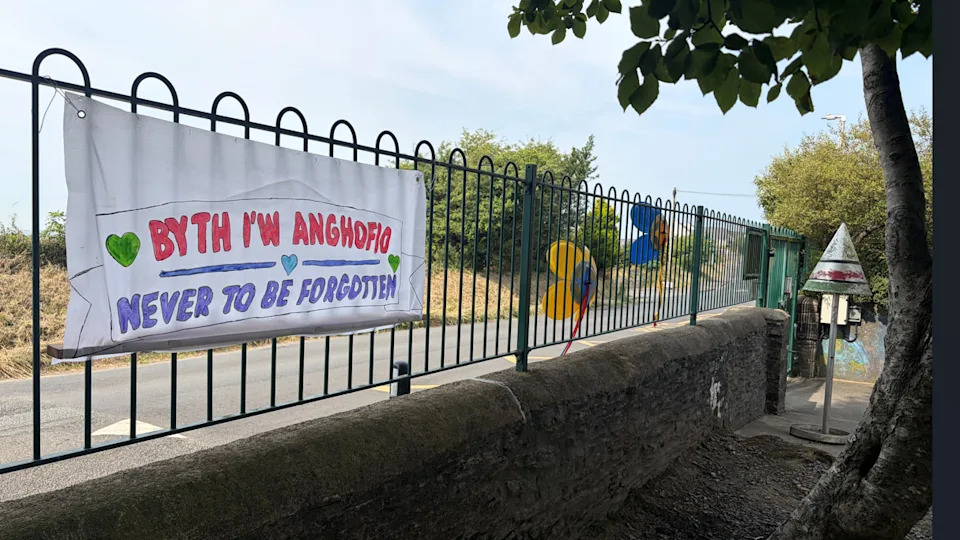
Local authorities including Pembrokeshire, Carmarthenshire, Gwynedd, Powys and Conwy have been consulting on proposals to close schools [BBC]
“Decision-makers can either maintain current spending and accept smaller schools and class sizes, or cut staff numbers and reduce the number of schools to match falling pupil rolls,” Sibieta said, warning that pressures on public finances may encourage reductions in education spending.
Local Authorities Respond
Some councils already report significant surplus capacity. In 2024 Gwynedd had more than 4,700 unfilled places — nearly a quarter of its capacity. Audit Wales warned in 2021 that Wales’ high number of small primaries and secondaries, combined with demographic decline, creates an “alarming challenge” that may leave some schools unviable.
Pembrokeshire Council described an ageing population with pupil numbers down by more than 2,000 since 1996 and said surplus places are especially acute in rural and tourist areas. Cardiff Council expects the city to grow overall but warned that some primary school rolls could fall by around 20% by 2029. Caerphilly, Anglesey and Wrexham are among areas projected to see the largest drops in children aged 0–15 by 2032.
Policy And Possible Responses
The Welsh government said it is working closely with local authorities, which are responsible for planning school places, and will review a policy that currently presumes against closing rural schools to ensure decisions are led by learners’ best interests. Teaching unions have argued that falling pupil numbers present an opportunity to reduce class sizes and improve teaching conditions.
Community Impact
Parents and community members stress that school closures affect more than budgets: they erode local ties, disrupt children’s routines, and can force families to travel further for schooling. The recent closure of small Pembrokeshire primary Ysgol Clydau — which had 24 pupils at the start of the year — illustrates the emotional and social cost to tight-knit communities.
What’s next: Local authorities say they will continue strategic planning and community consultations as they balance finances, demographics and the best interests of learners.
Help us improve.