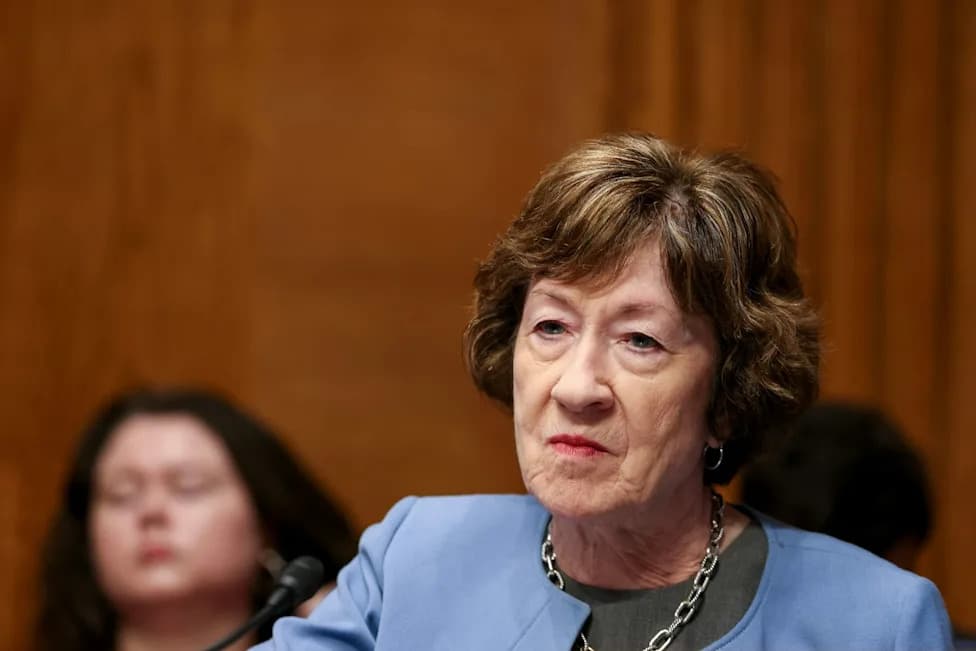
Angela Wright, 63, was shocked when the Parole Board told her the man convicted of raping her might be released after serving less than half his sentence under a Government early-release plan intended to ease prison overcrowding. The policy — reported to affect around 2,500 murderers and rapists from September — was paused after public outcry, but Wright says a pause is not enough and criticises the Parole Board's communication and apparent focus on offenders. She recounts the assault, the trauma of the trial, intimidation from the perpetrator’s family, and the financial and emotional toll of moving 40 miles away.
‘Releasing My Rapist Early Would Be Beyond the Pale’: Victim's Fury After Parole Board Call
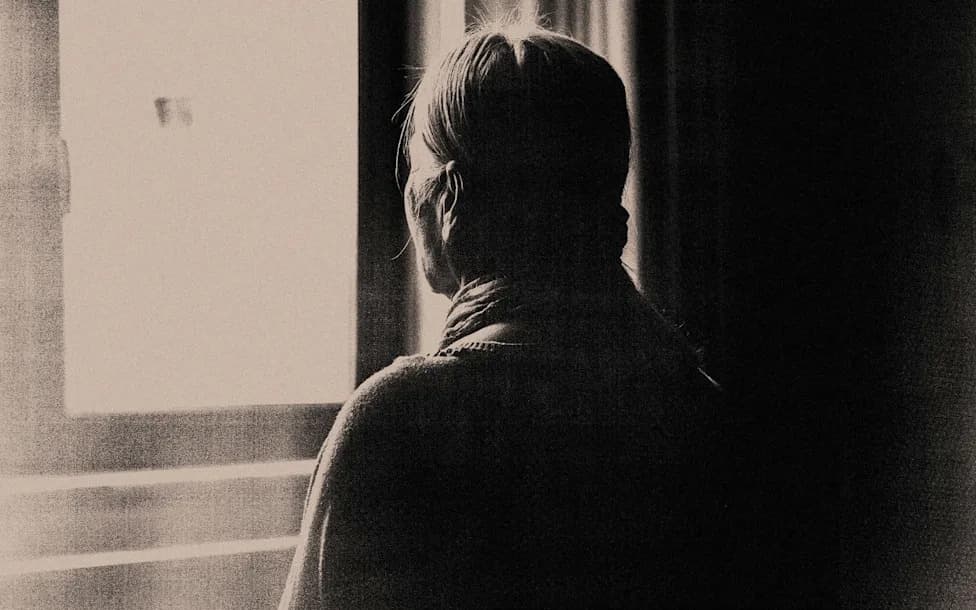
Angela
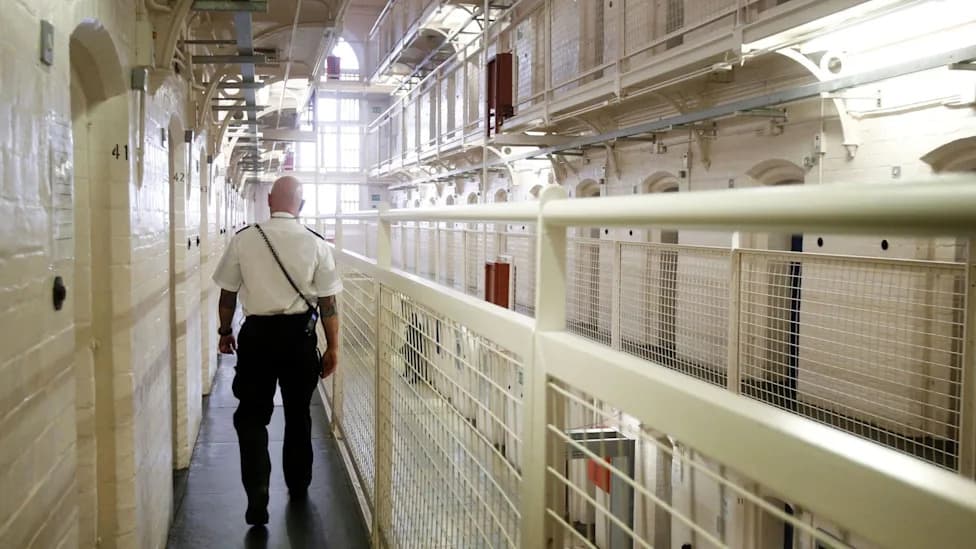
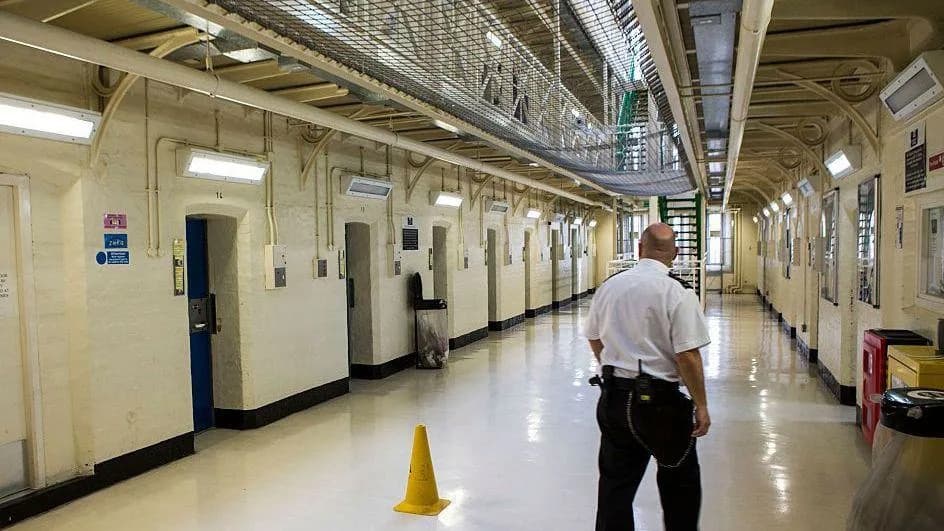
Last Friday an unexpected call from the Parole Board left Angela Wright* furious. Barely three years after her neighbour was convicted of raping her, she was told he could be released after serving less than half his sentence under a Government early-release scheme designed to ease severe prison overcrowding — a plan reported to affect an estimated 2,500 murderers and rapists from September.
The 63-year-old says she spent most of the week 'in turmoil' until ministers temporarily paused the scheme after public outrage over the possible early release of two of the three men convicted in the killing of Pc Andrew Harper. While Wright welcomed the short reprieve, she is disturbed that the policy is only paused rather than cancelled and that she learned of the pause from an online article rather than from the Parole Board or authorities handling her case.
Wright describes the Parole Board call as distressing. She says board members repeatedly emphasised her attacker’s good behaviour in custody and the courses he had been offered — details that she found insulting after being forced to leave the home where she had lived for 30 years. 'And they're on our side?' she asks. 'It just feels like they're rubbing it in.'
'To even consider allowing rapists and murderers out, honestly, it's so upsetting for the victims,' Wright says. 'We're a stupid country then, aren't we, if we can't keep murderers and rapists in jail.'
Wright recounts how the neighbour had lived on the street with his family for decades and had recently started behaving in a way she found unsettling: leaving notes under her door, approaching her in public and making intrusive comments. One night after returning from drinks with friends, she fell asleep in a chair; the neighbour told her friends to leave, saying he would help tidy. She awoke to find him assaulting her. She managed to escape, locked herself in the bathroom, and called the police after hearing him leave. He was remanded that night and later convicted.
The aftermath has been damaging. Wright felt ashamed and blamed herself, struggled through a traumatic trial and endured intimidating behaviour from the attacker’s family, who allegedly parked outside her house and discussed the case within earshot. Feeling unsafe, she sold her home in an urgent sale at a loss and moved 40 miles away, taking on a long commute and downsizing financially and emotionally.
In the years since, Wright has tried to compartmentalise the trauma. She says she could not afford therapy and resents that her attacker appears to have access to rehabilitation courses in custody while victims receive little support. She is particularly angry that victims appear to be kept out of the loop on a policy that could significantly shorten sentences, with no clear route to appeal parole decisions.
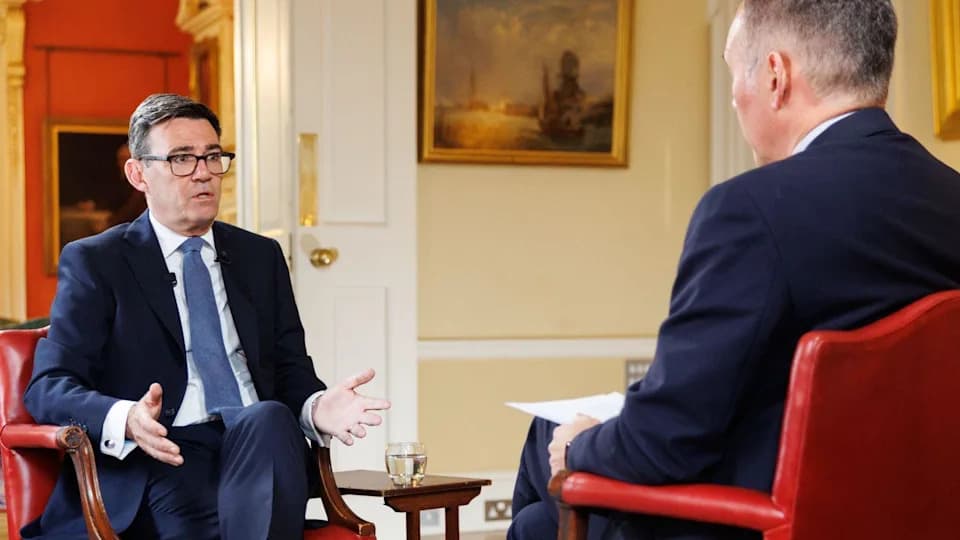
Former justice secretary David Gauke has warned that broad exemptions to the early-release plan would worsen overcrowding, a point Wright acknowledges as complicating policy choices. Still, she offers alternatives she believes the Government could pursue to reduce pressure on prisons: tighter deportation processes for foreign nationals who have committed crimes (about 12% of the prison population, she notes) and wider use of community sentences for non-violent offenders.
With no definitive conclusion or timetable in sight, the episode has added 'yet another stress' to a situation Wright and her family have been trying to come to terms with for years. 'I do not believe that the Government has victims at the heart of their policy decisions,' she says, criticising the probation service and the lack of clear communications about victims' rights in the process.
*Name has been changed.
Help us improve.