Professor Sarah Dillon (University of Cambridge) has transcribed a six-page handwritten short story by Alan Turing, titled Pryce's Buoy, which she dates to late 1952–early 1953. The narrative—about a sex worker and a gay scientist—complicates the stereotype of Turing as socially isolated, revealing a playful, sexual, and literary side. Dillon suggests the story may fictionalise an encounter linked to Turing's 1952 conviction and forced hormone treatment, and notes the influence of Angus Wilson's Hemlock And After. The manuscript adds new nuance to Turing’s personal and historical portrait.
Handwritten Turing Short Story Reveals Playful, Sexual Side Of The Codebreaker
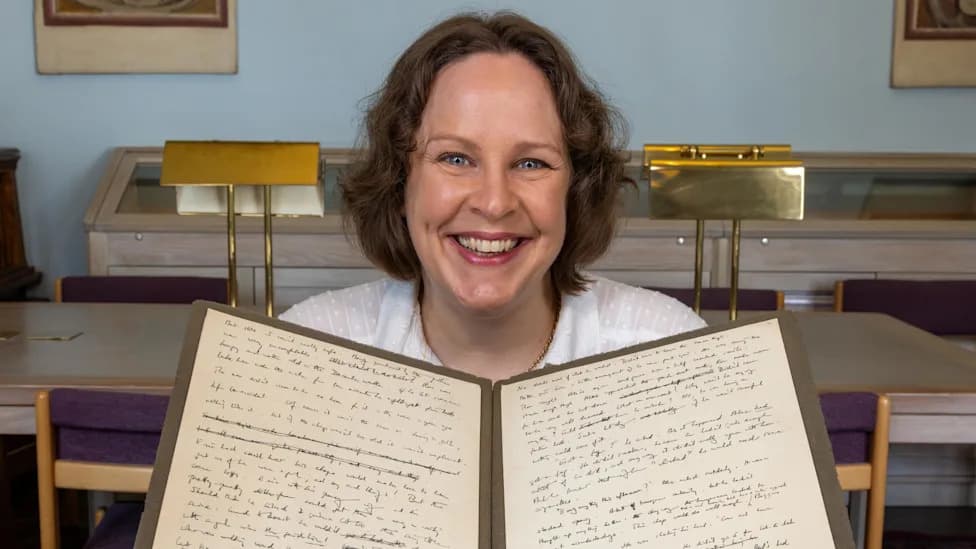
Prof Sarah Dillon studied Alan Turing's short story, Pryce's Buoy [PA Media]
A newly transcribed six-page short story in Alan Turing's own hand offers fresh insight into the wartime codebreaker’s personality, sexuality and literary sensibility, according to recent research.
Pryce's Buoy has been transcribed and analyzed in full by Professor Sarah Dillon of the University of Cambridge, who dates the manuscript to late 1952 or early 1953. The previously unpublished tale centers on two characters: Ron Miller, a working-class sex worker, and Alec Pryce, a gay scientist associated with an invention called "Pryce's buoy."
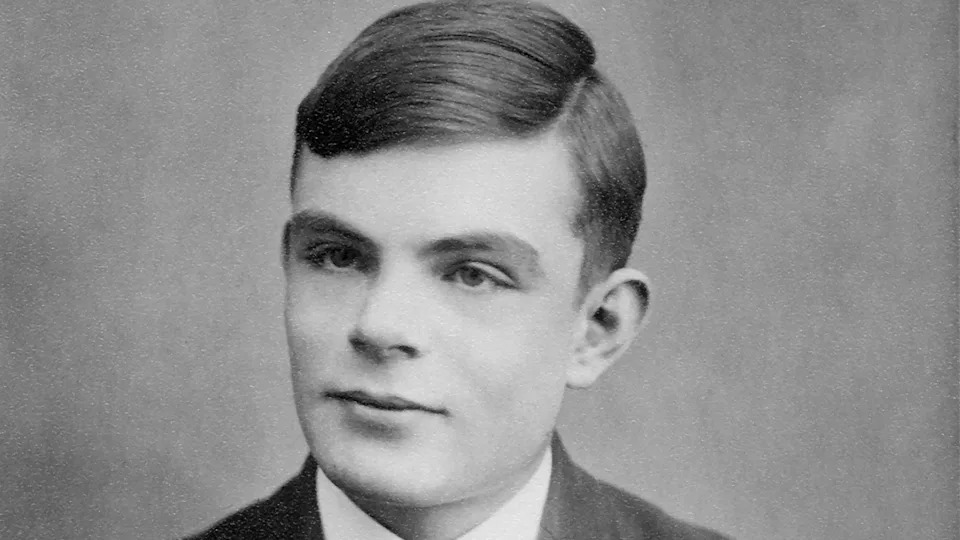
Turing worked at Bletchley Park in World War Two and helped to break German codes [Getty Images]
Dillon argues the story complicates the familiar stereotype of Turing as an isolated, purely logical genius. As she puts it, the manuscript reveals a different sensibility: "playful, funny, cheeky, literary, and someone who really liked sex." The text, she suggests, shows Turing engaging with his sexuality and with contemporary gay literary culture rather than withdrawing from it.
"We've distilled a version of Turing that is a two-dimensional stereotype," Dillon said. "This was the moment when he really felt a release, a chance to be more creative and playful."
Dillon also finds stylistic echoes of Angus Wilson's gay novel Hemlock And After, a work by a fellow Bletchley Park veteran. She suggests Wilson’s novel may have offered Turing both a model and emotional release at a difficult moment in his life.
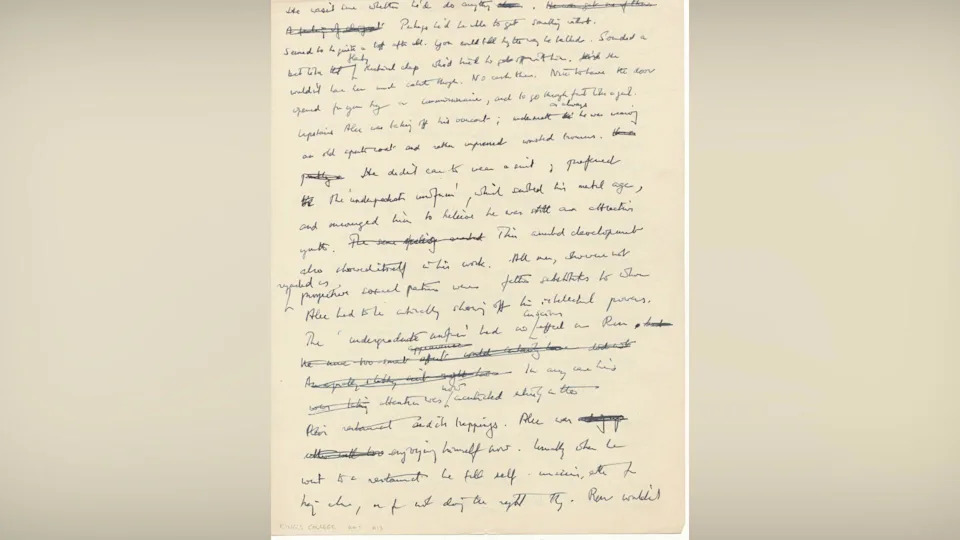
The story was hand-written by Turing himself [PA Media]
The researcher believes Pryce's Buoy may be a fictionalised account of a sexual encounter in the early 1950s that contributed to the events leading to Turing’s arrest. In 1952 Turing was convicted of gross indecency and subjected to forced hormone treatment — a form of chemical castration imposed by the authorities. He died by suicide in June 1954 at age 41.
Turing’s wartime achievements — including his pivotal role at Bletchley Park in breaking Enigma — and his later theoretical design for a stored-program digital computer, remain central to his public legacy. He was posthumously pardoned in 2013, and in 2017 the UK government extended posthumous pardons more broadly to men convicted under abolished sexual-offence laws, a measure often called "Turing’s Law."
Why it matters: The transcription and analysis of Pryce's Buoy add nuance to our understanding of Turing as a complex, literary-minded individual navigating sexuality, creativity and trauma in the years before his death. The manuscript deepens the historical record and invites fresh scholarly and public discussion about his life and work.
Help us improve.