Greenpeace Taiwan found that about 80% of baby purees and yogurts are sold in plastic spout pouches, and lab tests cited by the group detected microplastics in every tested pouch. Fruit purees measured up to 99 particles per gram (reported as more than 10,000 particles per pouch) and yogurts up to 54 particles per gram (over 5,000 per pouch). Experts say human exposure thresholds are not yet established, but repeated exposure could accumulate; Greenpeace is urging regulators and manufacturers to investigate, test and disclose results.
Study: Thousands Of Microplastics Detected In Baby Food Spout Pouches
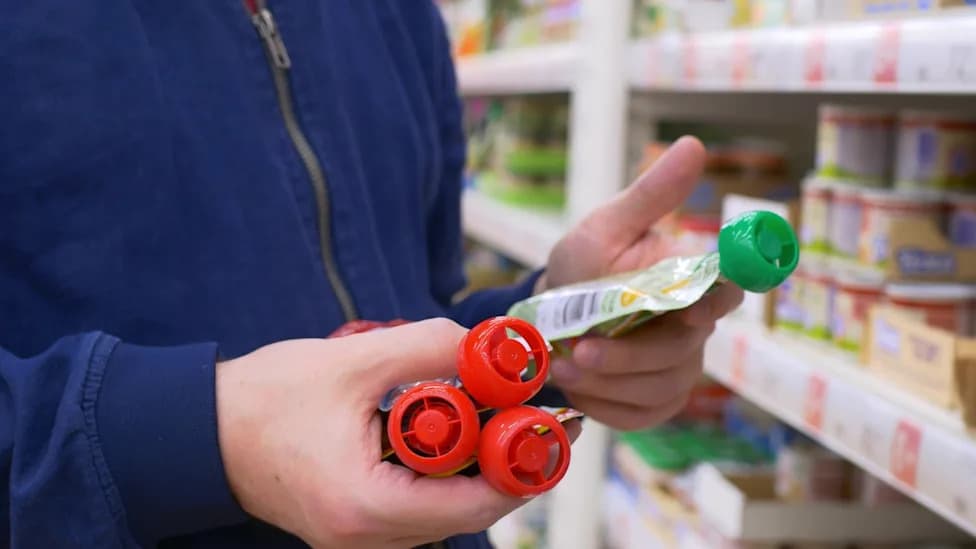
Photo Credit: iStock
Greenpeace Taiwan has raised concerns after a review and laboratory tests found widespread use of plastic spout pouches for baby fruit purees and yogurts and the presence of microplastic particles in every tested pouch.
Key Findings
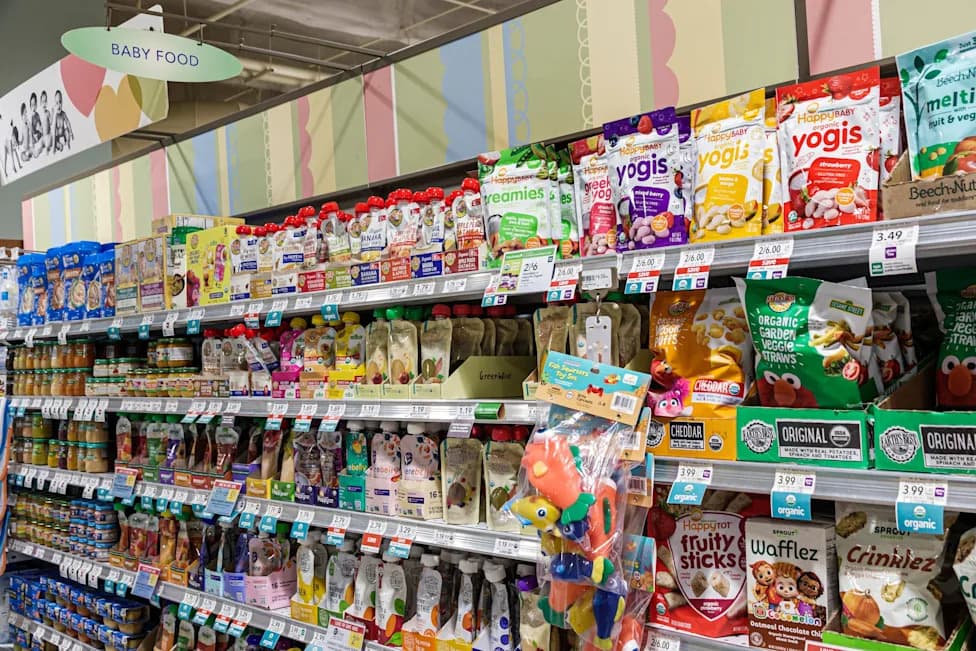
For an April survey, Greenpeace Taiwan examined puree and yogurt products for infants and toddlers sold in physical retailers (hypermarkets, pharmacies and baby stores) and on major online marketplaces including Momo, PChome, Shopee and Coupang. The review found that roughly 80% of those baby food products are packaged in plastic spout pouches. Reporting by the Taipei Times noted that every baby food item surveyed in hypermarkets used spout-pouch packaging; the share ranged from 74% to 79% in pharmacies, baby shops and online outlets.
Greenpeace International also commissioned SINTEF Ocean Laboratory in Norway to test baby food items from two major multinational brands. According to Greenpeace Taiwan, microplastics were detected in all spout-pouch products analyzed. In lab results cited by the group, fruit purees measured up to 99 microplastic particles per gram — a level that Greenpeace says would translate to more than 10,000 particles in a typical pouch — while some yogurt samples registered as many as 54 particles per gram, or an estimated 5,000+ particles per pouch.
Health Implications
Experts caution that science has not yet established a definitive safe or harmful threshold for microplastic exposure in humans. Yen Tzung-hai, a nephrologist at Linkou Chang Gung Memorial Hospital, said that although clear human exposure limits are not established, animal and cell studies link high microplastic exposure to oxidative stress, inflammation and potential organ damage. He also noted that repeated exposure from commonly used products could lead to cumulative intake over time, which may be especially concerning for babies and toddlers who are frequently in contact with the packaging.
Hsiao I-lun, director of the Food Safety Testing and Functional Development Research Center at Taipei Medical University, warned that concerns go beyond microplastics to include unintentionally added substances created during plastic manufacture or use. She recommended that Taiwan consider aligning chemical-management rules for food packaging more closely with standards used in Japan, the United States and the European Union.
Calls For Action
Greenpeace Taiwan is urging the nation’s Food and Drug Administration to investigate whether spout-pouch packaging sheds microplastics and to assess possible contamination by harmful chemicals. The group is also calling on baby food manufacturers to conduct independent testing and publicly disclose their results, and to explore safer packaging alternatives.
Bottom line: Microplastics are increasingly being detected in everyday products and packaging. While detection does not automatically indicate immediate harm, the findings increase pressure on regulators and manufacturers to demonstrate that convenience is not prioritized over child safety.
With microplastics reported in every tested spout pouch, Greenpeace is pressing for faster investigations, tighter regulations and greater transparency from both authorities and industry so parents can make informed choices about products for young children.
Help us improve.