New research shows many plants can activate a sun-protection response within about 10 minutes by rapidly reprogramming protein production in the cytoplasm. Short RNA tags (M1, M2, M3) and the enzyme GAPDH control this early reaction, enabling quick synthesis of proteins that protect photosynthesis. Observed across 13 plant types and demonstrated in Setaria viridis, the rapid pathway complements slower gene-level defenses and could be used to breed crops more resilient to intense light and climate stress.
Plants Activate Sun-Protection Within 10 Minutes — A Fast Route To Hardier Crops
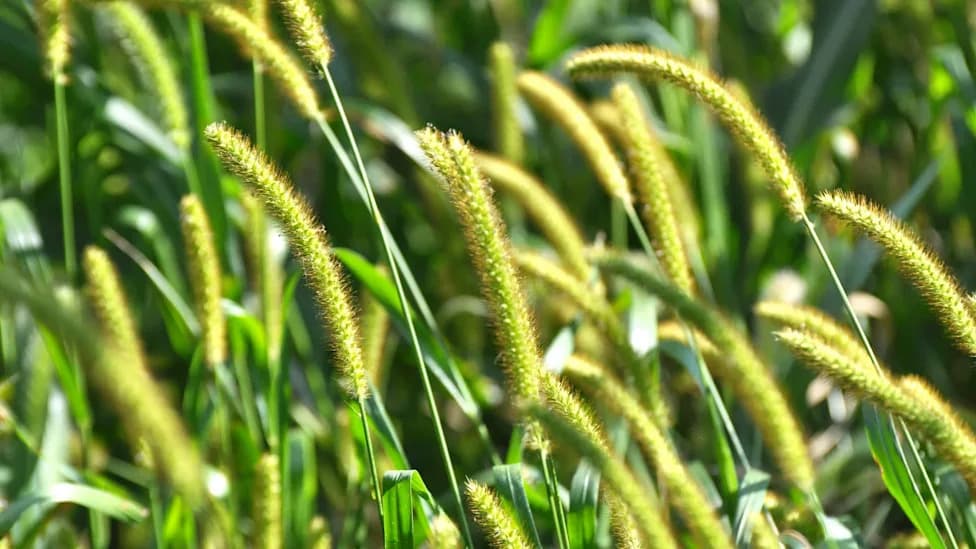
Photo Credit: iStock
A sudden surge in sunlight can damage plants, but new research shows many species can begin protective responses in about 10 minutes by rapidly changing how they make proteins. This fast-acting mechanism helps limit damage to photosynthesis long before slower gene-level defenses take effect, and it could offer plant breeders a new way to improve crop resilience to stronger sunlight, higher temperatures and erratic weather.
How the Fast Response Works
The study, published in the journal Molecular Plant, found that abrupt increases in light trigger a rapid reprogramming of protein production in the cell cytoplasm. Key players in this early response are short RNA tags called M1, M2 and M3, together with the enzyme GAPDH. In low light, GAPDH binds to keep certain instructions suppressed; when light intensity jumps, GAPDH releases those instructions and allows the cell to quickly synthesize protective proteins that safeguard photosynthesis.
Evidence Across Species
Researchers detected this mechanism in 13 plant types, including mosses and grasses, indicating the response is widely conserved rather than limited to a single species. In green millet (Setaria viridis), adding the M1 tag to a gene raised levels of the photosynthetic protein RIESKE by about 2.3-fold while the gene's transcript level changed only slightly. That shows regulatory tags can boost protein production without major changes to the gene itself.
Short-Term And Long-Term Protection
The rapid protein-production response operates alongside the well-known, slower pathway in which chloroplasts signal the nucleus to turn on protective genes. Some proteins produced in the early wave help activate later gene programs, creating both immediate and sustained protection against light stress.
"We were able to demonstrate that plants reprogram their protein production within minutes — well before gene activity in the cell nucleus changes," said Dr. Marten Moore, who began the work at Bielefeld University and continued it at the Australian National University.
Professor Karl-Josef Dietz added, "Our findings show for the first time that chloroplasts can directly and extremely rapidly influence protein synthesis in the cytoplasm. This fundamentally expands our understanding of plant stress responses."
Implications For Crop Breeding
Because this pathway can be targeted at regulatory switches rather than whole genes, breeders and biotechnologists may be able to strengthen crop defenses more precisely and with fewer changes to a plant's core biology. Enhancing these built-in responses could help maintain yields, reduce crop losses and stabilize food supplies as climate pressures increase.
Source: Reporting based on the study published in Molecular Plant and coverage by Earth.com.
Help us improve.