Independent examiner Dr. Roger Mitchell said he could not determine a cause of death in the second autopsy of 18-year-old Nolan Wells because portions of the neck and internal organs were retained after the initial postmortem. Forensic experts say retained tissues, organ repositioning, decomposition and blood extravasation commonly limit what a second autopsy can reveal. The National Association of Medical Examiners calls second autopsies a useful peer review and urges cooperation between public examiners and independent reviewers. Mississippi's official autopsy findings remain unreleased; toxicology results can take weeks.
Missing Organs and Decomposition Hamper Independent Autopsy in Nolan Wells Case

Missing or jumbled organs, decomposition can complicate second autopsies
Limitations encountered during the independent (second) autopsy of 18-year-old Nolan Wells — including retained neck structures, missing internal organs and unexplained discoloration — are not unusual, forensic experts say. These factors frequently restrict what a reviewing pathologist can determine after an initial postmortem examination.
What the Independent Examiner Found
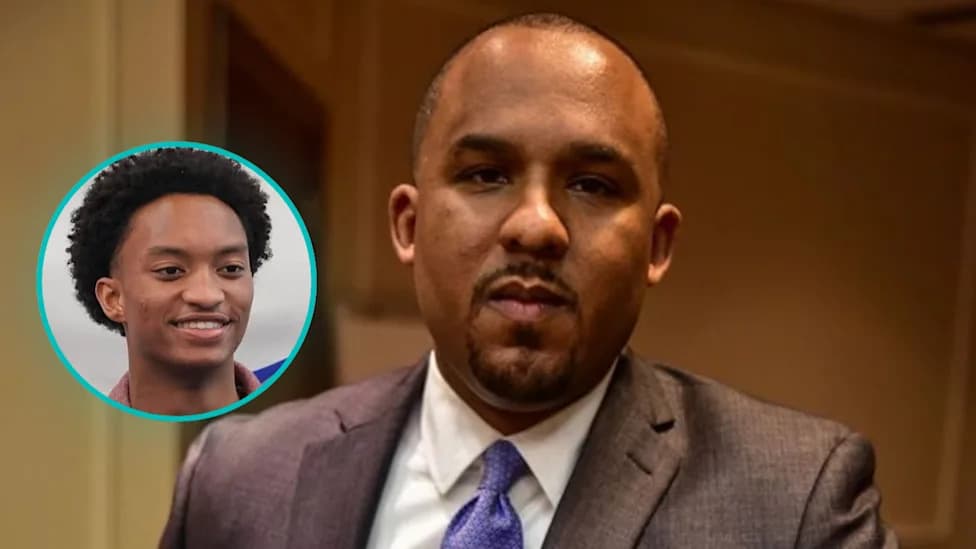
Dr. Roger Mitchell, retained by Wells' family to perform an independent autopsy, said he could not establish a definitive cause of death because portions of the teen's neck and some internal organs had been retained following the first autopsy. Because those tissues were unavailable for examination, Dr. Mitchell said he could not rule out "nonaccidental factors" in the death. He also reported an unexplained red discoloration on the back of the skull.
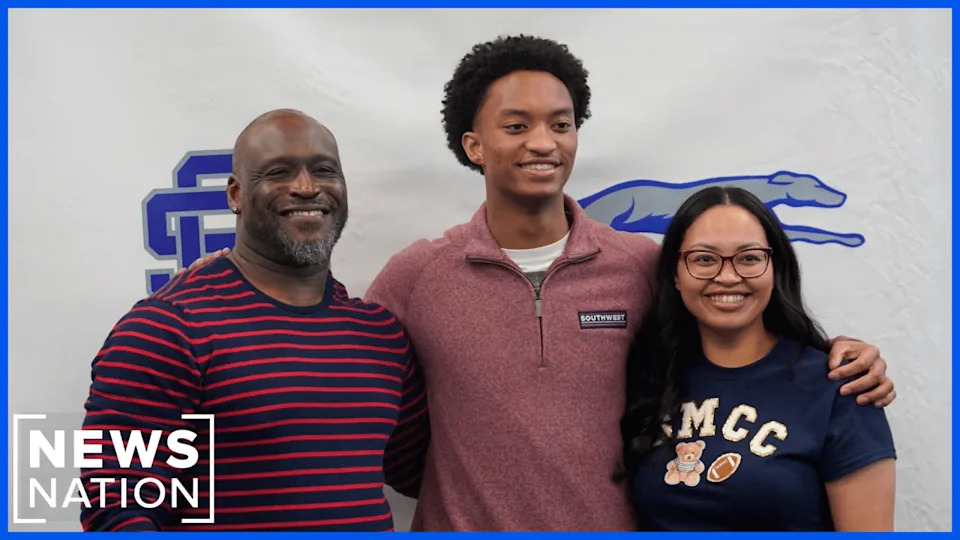
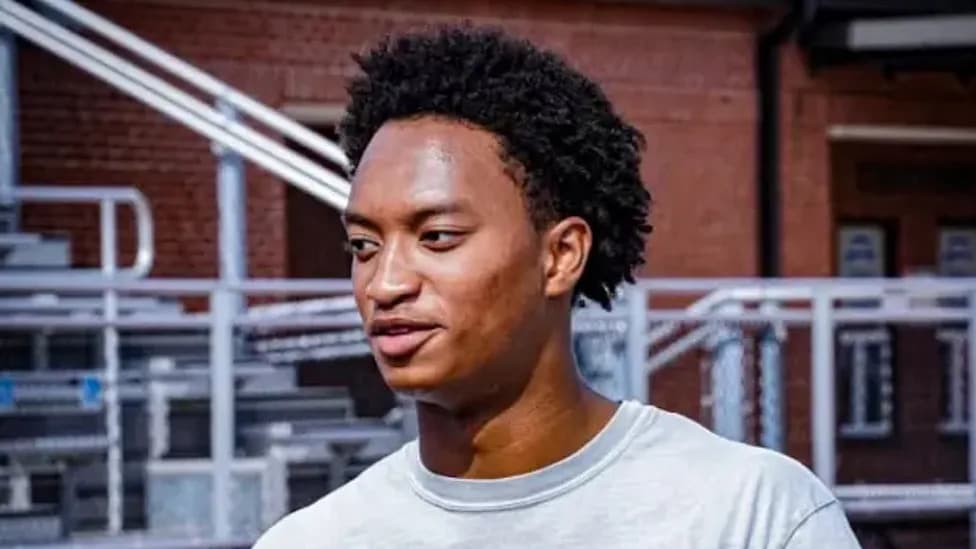
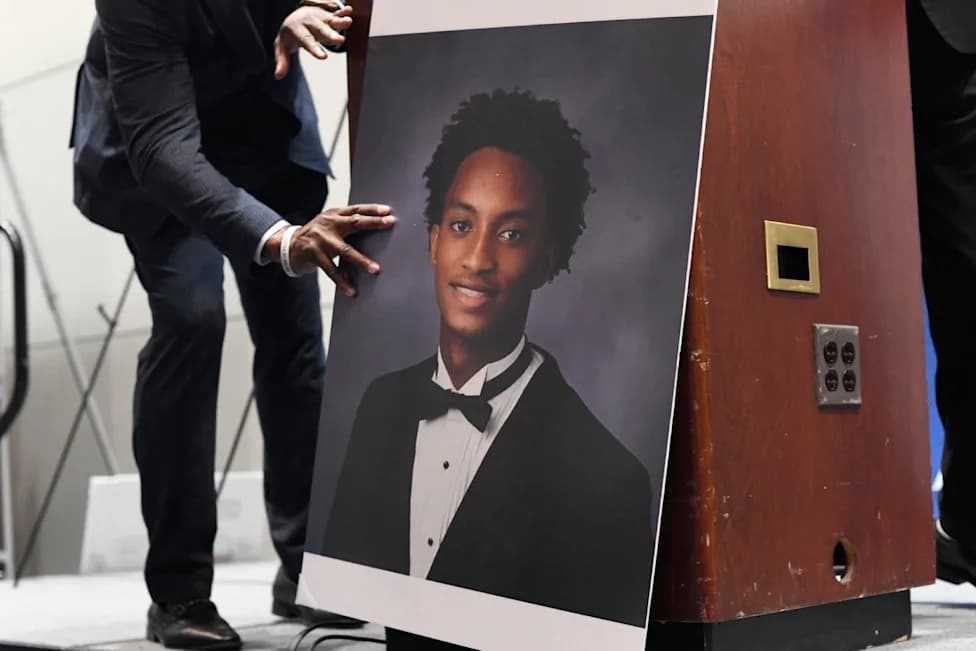
Nolan Xavier Wells, an 18-year-old who died on an island off the coast of Mississippi, with his parents Christine and Elmore Wonsley in an undated photo released by the family attorney Ben Crump on July 10, 2026. Family handout courtesy of Ben Crump Law/Handout
Why Second Autopsies Are Limited
Forensic pathology experts and the National Association of Medical Examiners (NAME) note several common limits that can affect a second autopsy:
- Retention of structures: Neck tissues are often kept for further radiographic study, and some dissected organs may be retained in biohazard containers rather than returned to original positions in the body cavity.
- Organ repositioning and commingling: Even when organs remain in the body, they may be replaced without regard for their original anatomical order, complicating reexamination.
- Progression of decomposition: Postmortem changes can obscure injuries or create surface discoloration that is hard to interpret.
- Extravasation: Routine handling during the first autopsy can cause blood to leak into soft tissues, which later can be misread as bruising or hemorrhage.
Role of Second Autopsies
NAME and other professionals emphasize that a second autopsy can serve as an important form of peer review: it may confirm initial findings or identify procedural errors. The organization recommends cooperation and information-sharing between the public medical examiner's office and independent reviewers whenever legally possible.
Case Status
The Mississippi State Medical Examiner has not released its official autopsy report in the Wells case. Toxicology testing — which can help determine substances in the decedent's system — often takes several weeks. Wells, identified by his family as Nolan Xavier Wells, disappeared after a July 4 trip to an island off the Mississippi coast; his body was recovered from the water two days later. The family has sought answers and an investigation remains open.
Note: The Associated Press contributed reporting to the original coverage of this case.
Help us improve.