A Ukrainian F-16 has reportedly scored the first air-to-air kill by U.S.-designed jets since their 2024 deployment, Gen. Dan Caine told Congress. Ukraine says the downed aircraft was a Russian Su-35, though Russia has not confirmed the loss. The engagement highlights Kyiv's shift from using F-16s mainly for defensive intercepts to more contested air operations, aided by expanded domestic drone production and international arms support.
Ukrainian F-16 Scores First Air-to-Air Kill, Reportedly Downing Russian Su-35
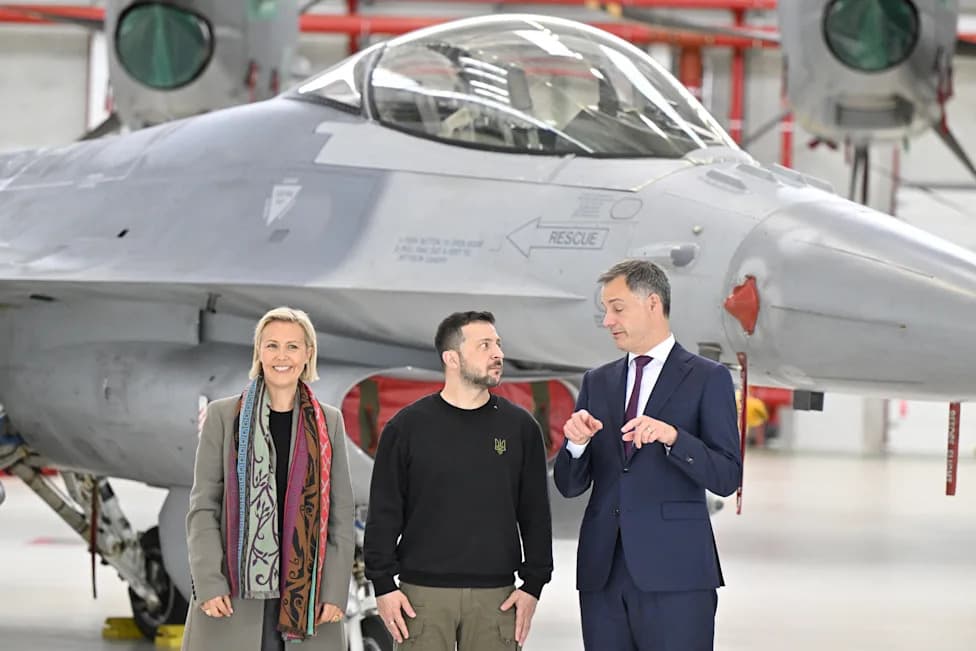
Belgian Defence Minister Ludivine Dedonder, Ukraine President Volodymyr Zelenskyy and Belgian Prime Minister Alexander De Croo are pictured in front of an F-16 plane during a visit of the Ukrainian president at Melsbroek, Belgium, military airport on May 28, 2024. (Eric Lalmand/BELGA MAG/AFP/Getty Images)
KYIV, Ukraine — A Ukrainian F-16 has recorded the first confirmed air-to-air kill by U.S.-designed jets since they arrived at the front in 2024, the chairman of the U.S. Joint Chiefs of Staff told Congress on Tuesday.
Gen. Dan Caine cited the engagement during testimony to the Senate Appropriations Committee while lawmakers questioned a three-year pause in U.S. air-defense funding. "I want to highlight the incredible work the Ukraine industrial base is doing as they scale their own capabilities," he said.
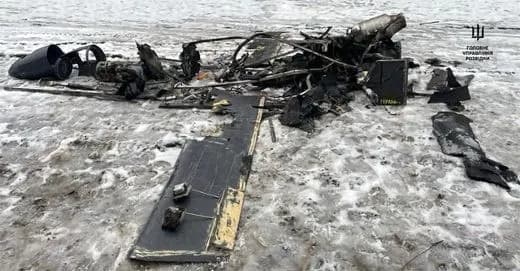
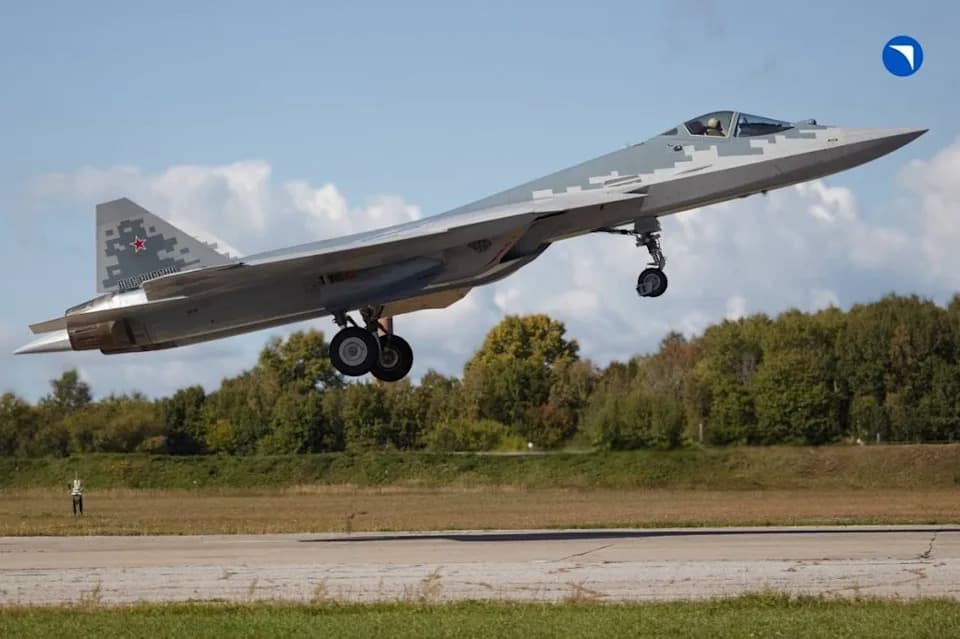
Although Caine did not name the Russian type involved, Ukraine's Air Force earlier announced it had downed a Su-35 on the eastern front. Pro-Russian Telegram channels variously confirmed a Su-35 was lost and reported the pilot ejected safely, while other posts suggested a Patriot battery may have delivered the fatal shot. Russia's Defense Ministry has not publicly acknowledged the loss.
What This Means For The Air War
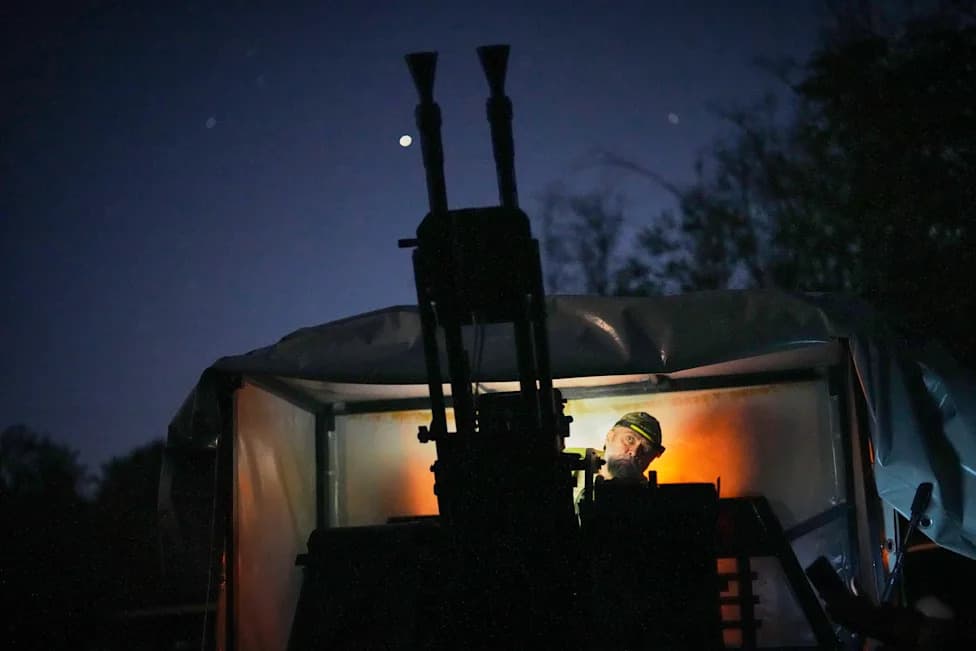
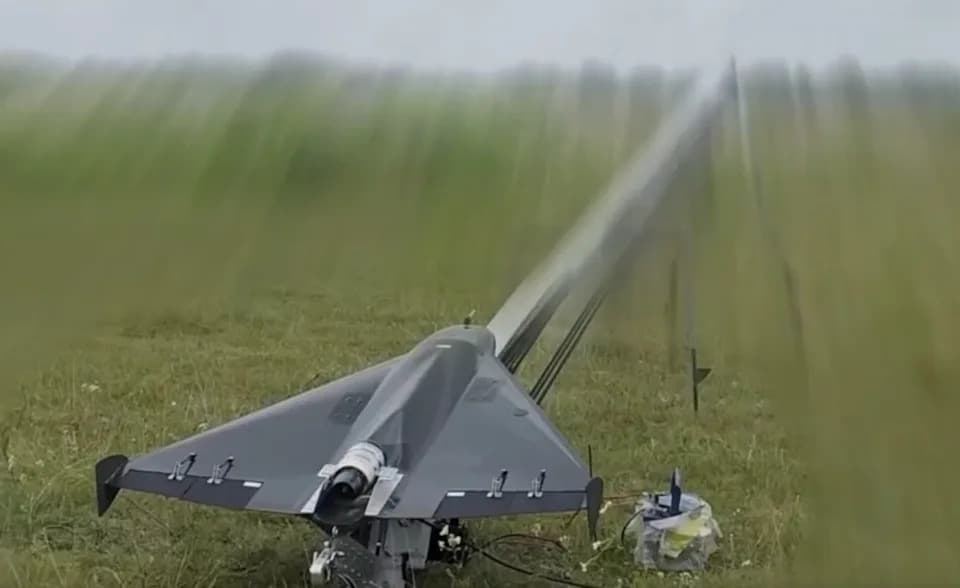
Until now, Ukraine's F-16s have been used primarily to intercept incoming drones and cruise missiles rather than to hunt enemy fighters. The reported air-to-air kill underscores Kyiv's rapidly improving layered air defenses, which combine Western-supplied fighters and missiles with expanding domestic production of interceptor drones and munitions.
Technical Context
The engagement is notable because the Su-35S is widely regarded as one of Russia's most capable fighters. Its Irbis-E radar is claimed by the manufacturer to detect fighter-sized targets at up to about 250 miles (400 km) in narrow search modes — considerably farther than the 1990s-era AN/APG-66(V)2 radar fitted to many of the rebuilt F-16A/B airframes Ukraine received.
The Su-35 commonly carries the R-77M missile, rated by Russian sources at roughly 120 miles (190 km), versus the roughly 75–100 mile reach attributed to the AIM-120C-8 AMRAAMs Ukraine is known to field. Despite these technical gaps, operational tactics, integrated air defenses and improved Ukrainian production have helped level the playing field.
Supply And Production
Most of Ukraine's F-16s were supplied by the Netherlands and Denmark as rebuilt F-16A and B airframes dating from the 1970s and 1980s — platforms closer to the U.S. Air Force's early-2000s F-16s than to today's newest variants. Meanwhile, Ukraine's domestic interceptor-drone industry has expanded sharply, with some manufacturers reporting dramatic increases in output.
Allies have responded to Kyiv's battlefield progress with significant arms contracts and support. The U.S. has also been reported to be moving toward a multibillion-dollar weapons-production arrangement with Ukraine to scale munitions and defensive systems.
Note: While multiple sources report a Su-35 was downed, and Gen. Caine confirmed the F-16 air-to-air kill to Congress, independent on-the-record confirmation from Russian official channels remains absent.
Related comments: Secretary of State Marco Rubio has praised the strength of Ukrainian forces, and U.S. intelligence assessments have highlighted the effectiveness of Ukraine's drone tactics on the battlefield.
Help us improve.