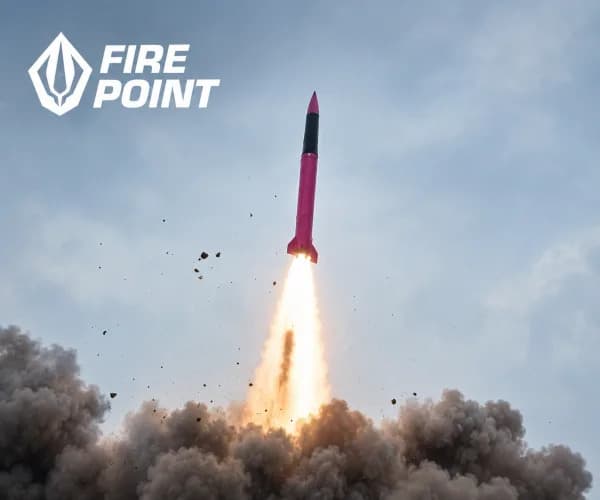
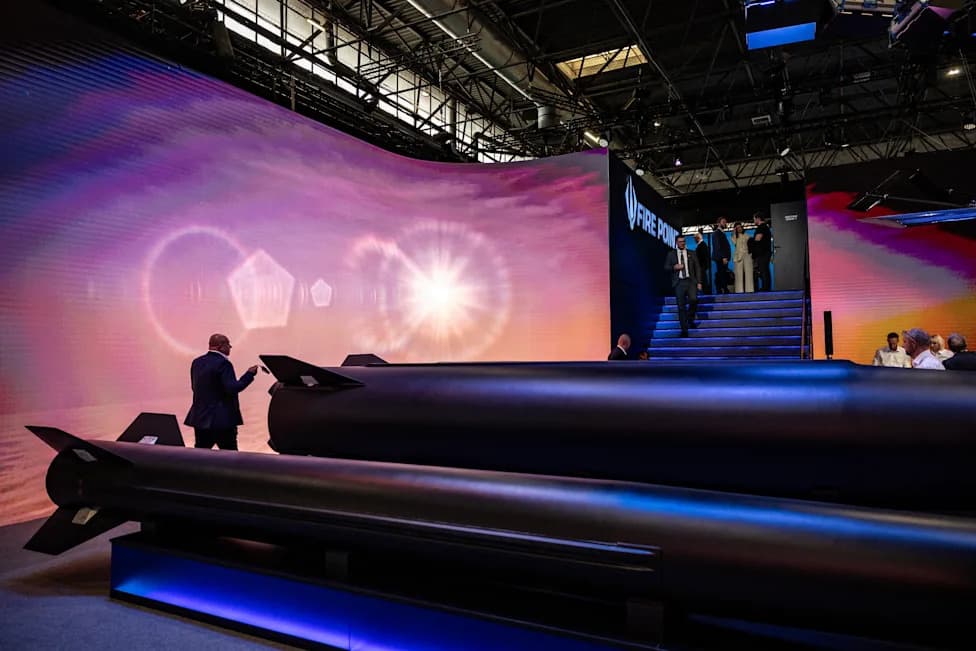
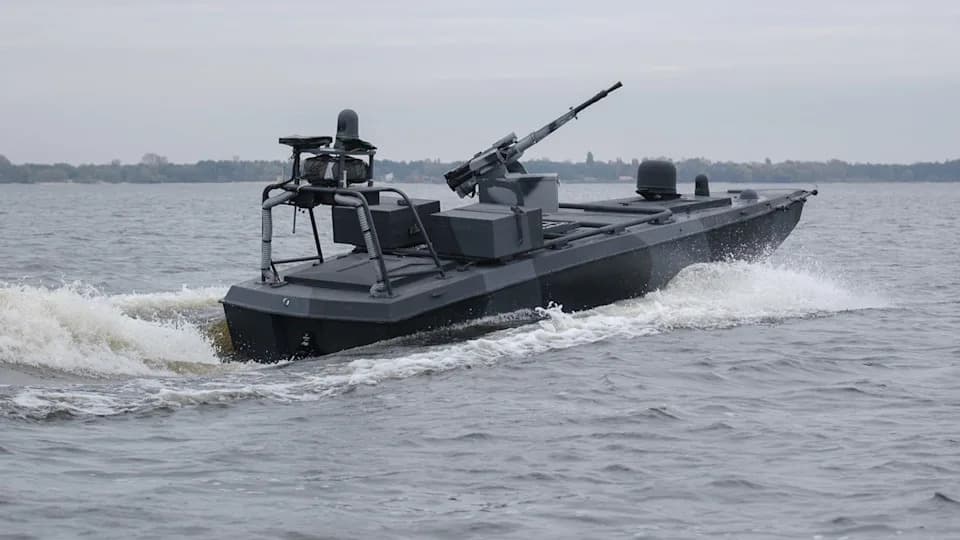
Fire Point’s Flamingo cruise missile is being reported as a lower-cost alternative to the U.S. Tomahawk, offering greater range and a larger payload at roughly half the price. The company claims high daily production rates and uses cost-saving measures such as repurposed Soviet-era engines and carbon-fibre construction. Western manufacturers are responding with cheaper options of their own, while European partners explore industrial cooperation—though questions about the founder’s background and a corruption probe complicate potential deals.
Ukraine’s Low-Cost Flamingo Cruise Missile Is Forcing Western Defence Rethinks
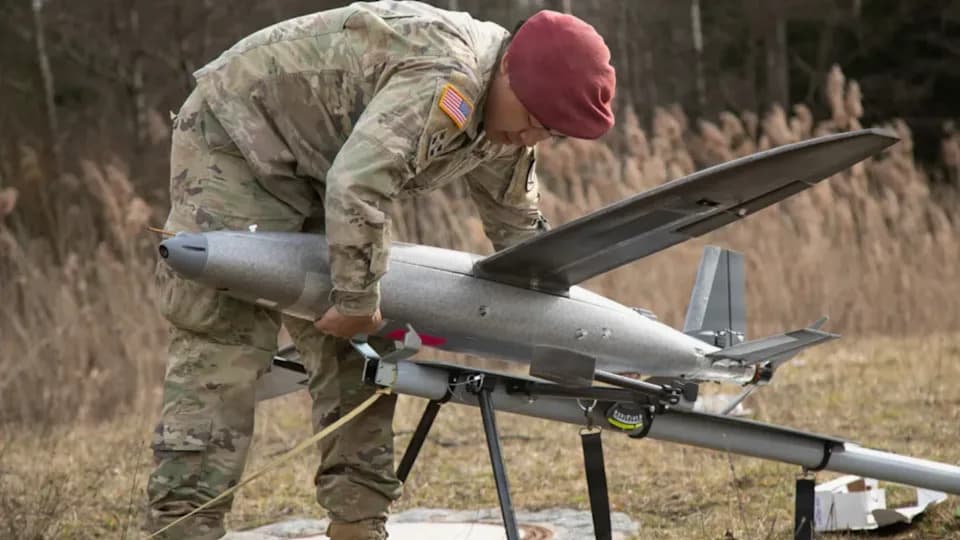
Credit: TWZ
Ukraine’s Fire Point has developed the Flamingo cruise missile, a low-cost system that recent reporting says can travel roughly twice as far as a U.S. Tomahawk while carrying a larger warhead at about half the cost. That affordability—and the company’s rapid production claims—are prompting defence planners and manufacturers to reassess how to balance capability, price and production scale.
What Flamingo Purports To Deliver
According to reporting in The Atlantic and subsequent coverage, Fire Point’s Flamingo offers a longer range and larger payload than the Tomahawk in some configurations while costing substantially less per unit. Fire Point’s founder, Denys Shtilerman, is quoted as saying the company manufactures roughly 200 long-range drones each day and produces up to three Flamingo cruise missiles in the same period. These figures are presented as company claims and have not been independently verified in all cases.
How The Missile Cuts Costs
Fire Point reportedly reduces unit cost by using repurposed jet engines salvaged from older Soviet-era aircraft rather than newly developed propulsion systems, by building carbon-fibre airframes instead of conventional aluminum alloys, and by employing lightweight materials such as foam in drone wings. The company frames these choices as purpose-driven trade-offs: designing to meet operational theatre requirements rather than decades-long service lives.

Google logo on a black background next to text reading 'Click to follow TechRadar'
"They need to fly for 15 hours. Anything beyond that is a waste of money," Fire Point founder Denys Shtilerman told reporters, summarising the company’s cost-first design philosophy.
Western Industry Response
Pressure to lower unit costs is already visible in Western programmes. Lockheed Martin has introduced the PAC-3 Adapted Capability Effector (ACE), aimed at costing less than half of the PAC-3 MSE interceptor (which is valued at more than $4 million apiece), allowing less expensive interceptors to be deployed at scale while reserving higher-cost systems for the most demanding threats.
Strategic And Industrial Implications
Affordable, mass-producible weapons that prove effective in combat can reshape procurement strategies and attract international industrial partners. Nine European countries have cited Ukrainian missile technology and experience in plans for an Integrated Anti-Ballistic Missile Coalition, signalling interest in integrating Ukrainian systems and know‑how into broader defence planning. Historically, combat-proven systems can lead to joint production agreements, technology transfers and longer-term industrial partnerships.
Questions And Risks
At the same time, the company’s leadership and legal links complicate potential international partnerships. Shtilerman’s background—having studied and worked in Russia, reports of two prison terms there, and media reporting that Fire Point has been tied to a corruption investigation—raises governance, reputational and export-control questions that prospective partners and buyers will likely weigh carefully.
Overall, the Flamingo story highlights a growing debate in defence procurement: when and how to favour cheaper, scalable systems over more expensive, longer‑lived platforms. Many claims about performance, cost and production come from company or secondary reporting and merit further independent verification.
Help us improve.