Researchers in Singapore say a widespread sense of fatigue may stem from an "evolutionary mismatch": human brains evolved for small, familiar groups and struggle with the nonstop comparison and information flow of cities and social media. The review links this gap to higher rates of depression, anxiety and other health problems, and highlights unresolved pandemic trauma as an aggravating factor. Authors urge urban planning that increases green space and social connection, plus individual steps like reducing evening screen time and spending time outdoors.
Why Modern Life Feels Exhausting: Scientists Identify an "Evolutionary Mismatch"
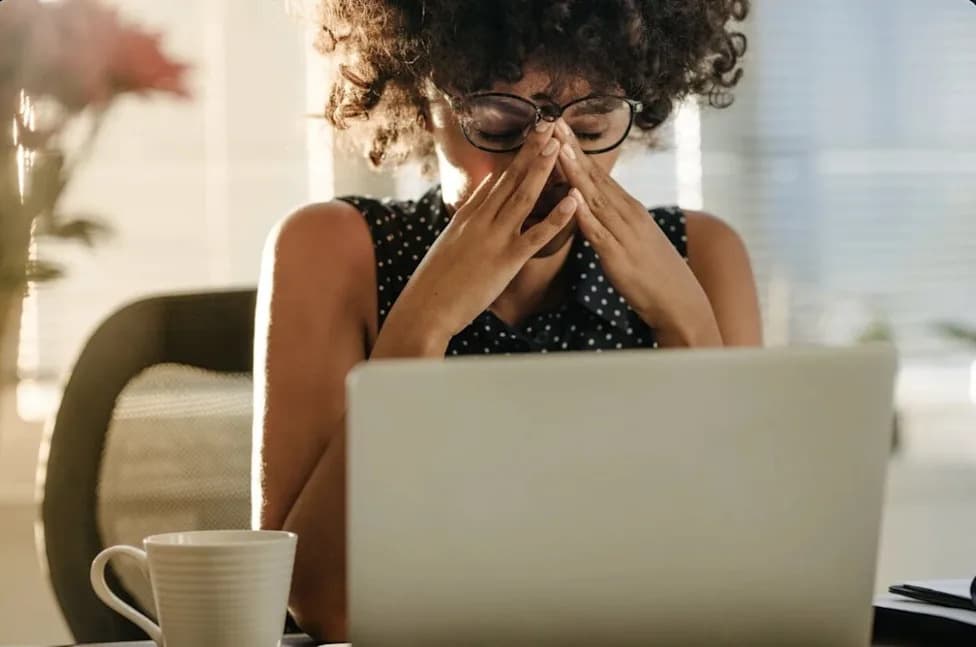
Feel stressed? Blame it on modern life.
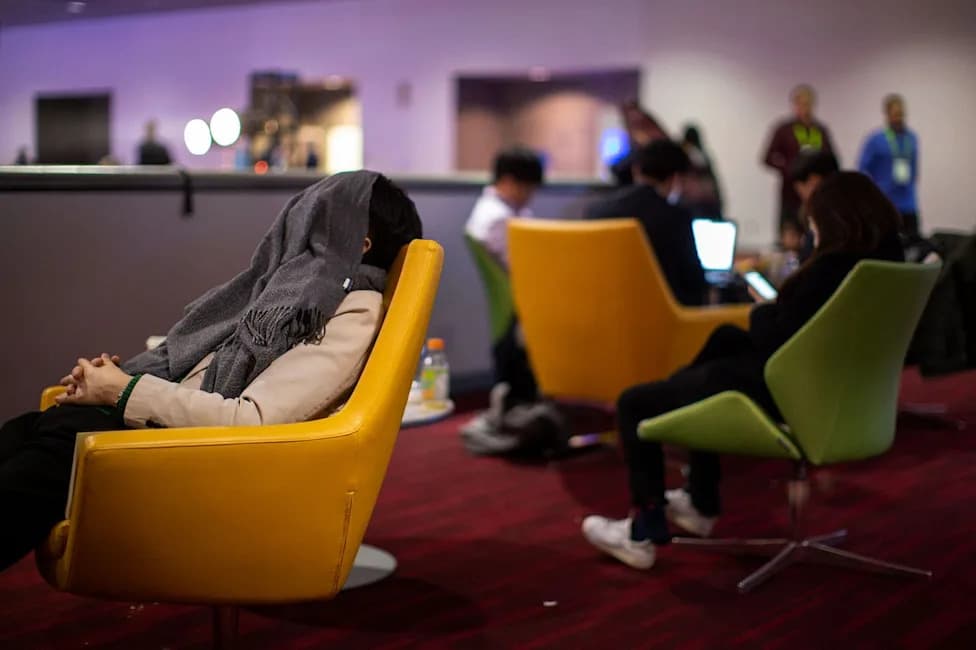
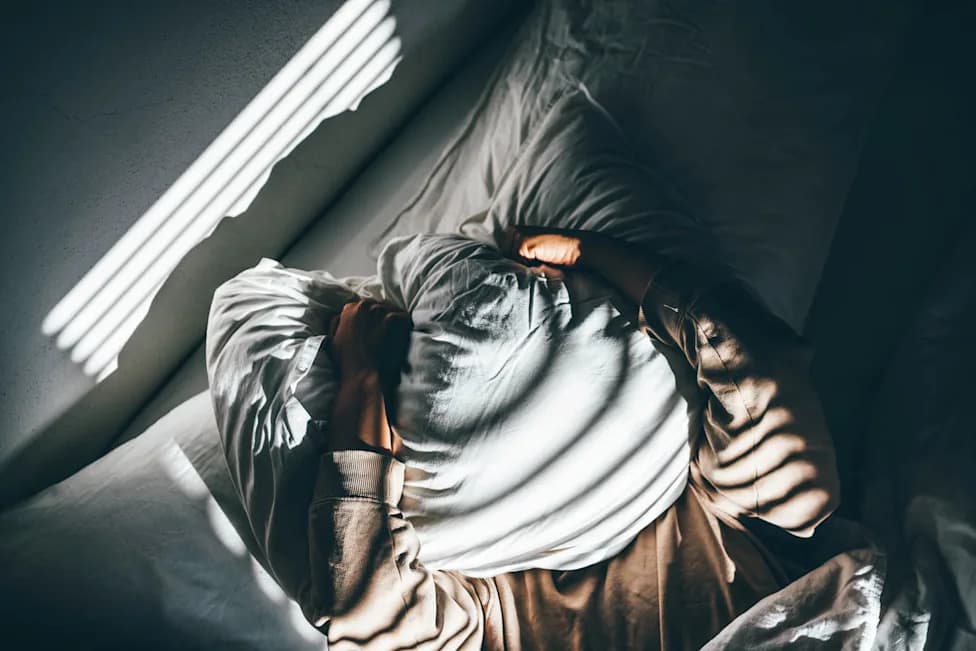
If you often wake up feeling drained, you're not alone. Researchers in Singapore argue that a growing, widespread sense of fatigue reflects an "evolutionary mismatch": our brains evolved for small, familiar social groups and struggle to cope with the pace, scale, and constant comparison of modern urban and digital life.
What the Study Found
The team analyzed data on depression, exhaustion, loneliness and other contributors to chronic fatigue, and reviewed previous research to identify common causes. Their conclusion: the speed and scope of contemporary life—dense cities, nonstop news cycles and global social networks—outpace the cognitive systems humans evolved to handle immediate, recognizable threats and local social dynamics.
“Competition is not new, but modern life can make it feel constant,” said study co-author Dr. Jose Yong.
He added that an evolutionary perspective helps explain why people react strongly to comparison and the fear of falling behind, even when those cues come from strangers or screens rather than a tight-knit social group.
Why This Matters
Being continually exposed to a far larger social field increases perceived competition and information load. Instead of comparing ourselves to neighbors or colleagues, we measure ourselves against millions of curated profiles online. At the same time, 24-hour news and social feeds require ongoing interpretation and emotional processing, which amplifies stress, anxiety and loneliness.
“Stress, loneliness and anxiety are often treated as personal or lifestyle problems, but they may also reflect a mismatch between the environments people live in and the conditions our minds and bodies evolved to navigate,” said environmental psychologist and co-author Sarah Chan. She emphasized that solutions should include both bolstering individual resilience and redesigning communities to better fit human needs.
Collective Trauma and the Pandemic
The authors also note that unresolved, collective trauma contributes to today's mental load. Psychologist Naomi Holdt (2022) proposed that many people were still processing the COVID-19 pandemic when societies were asked to resume normal routines, delaying emotional recovery and intensifying stress reactions.
Practical Recommendations
The researchers are not advocating a return to preindustrial life. Instead they recommend changes that reduce stressors and better align environments with human psychological needs, including:
- More accessible green spaces and plant life in cities to lower stress and blood pressure.
- Urban design that fosters face-to-face social connections and community cohesion.
- Digital-product designs that reduce constant social comparison and information overload.
On an individual level, clinicians and the study authors suggest simple practices to manage fatigue: limit screen time in the evening, silence or switch off phones before bed, and spend at least 30 minutes in nature through a walk, hike or park visit. These steps can lower stress, ease anxiety and help counter depression.
No matter how exhausted you feel, the authors emphasize you are not alone. Addressing fatigue will require both personal strategies and systemic changes—better city planning, kinder digital environments, and stronger social infrastructure.
Help us improve.