President Trump will announce that 23 Republican governors have signed the Ratepayer Protection Pledge to prevent households from absorbing utility costs tied to data centers that support AI. The non-binding pledge, backed by nearly 200 stakeholders and seven major tech firms, asks governors to implement its principles where possible. Trump will highlight the coalition at an EPA event on July 23 amid local concerns about power, water use and community impacts.
23 GOP Governors Back Trump's Ratepayer Pledge To Shield Households From Data Center Costs
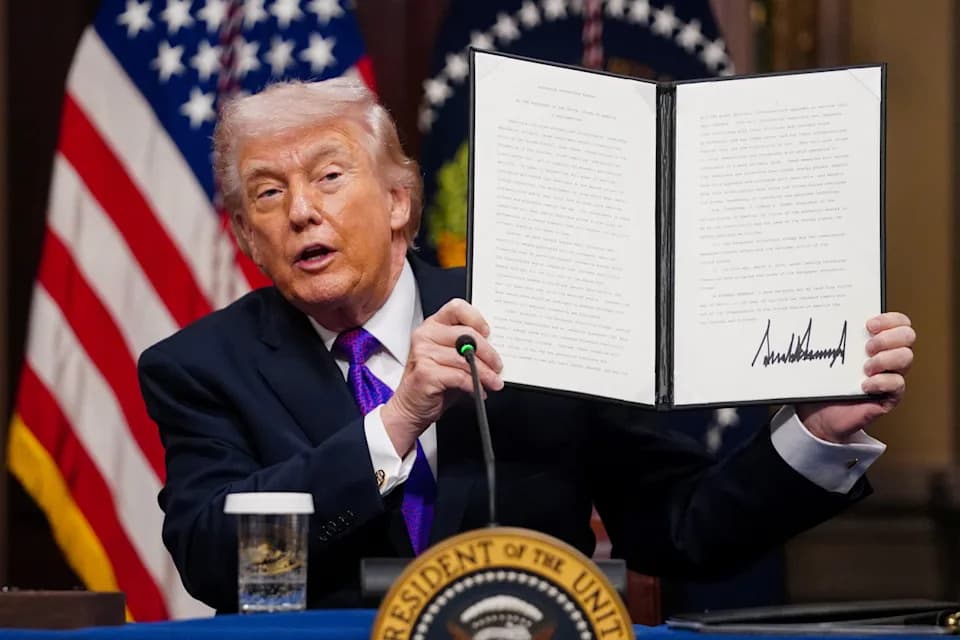
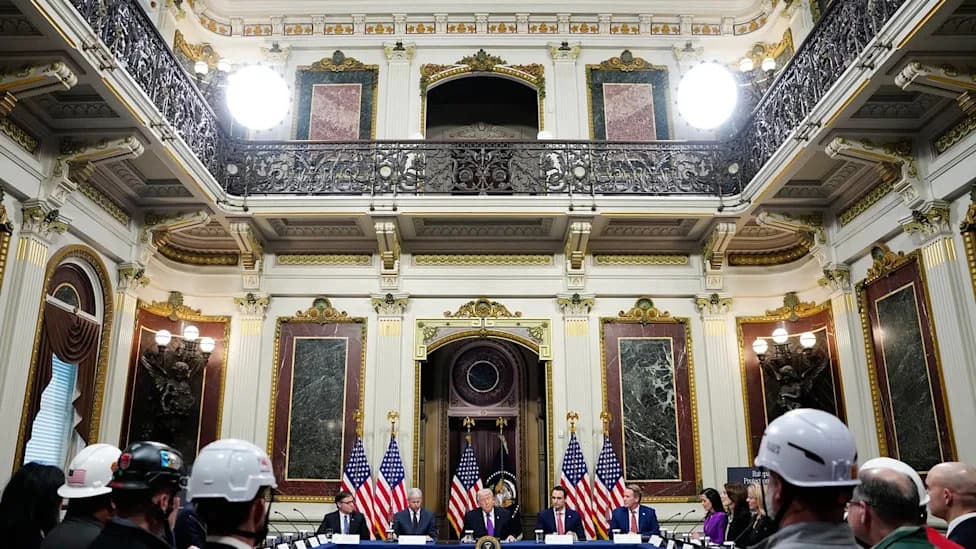
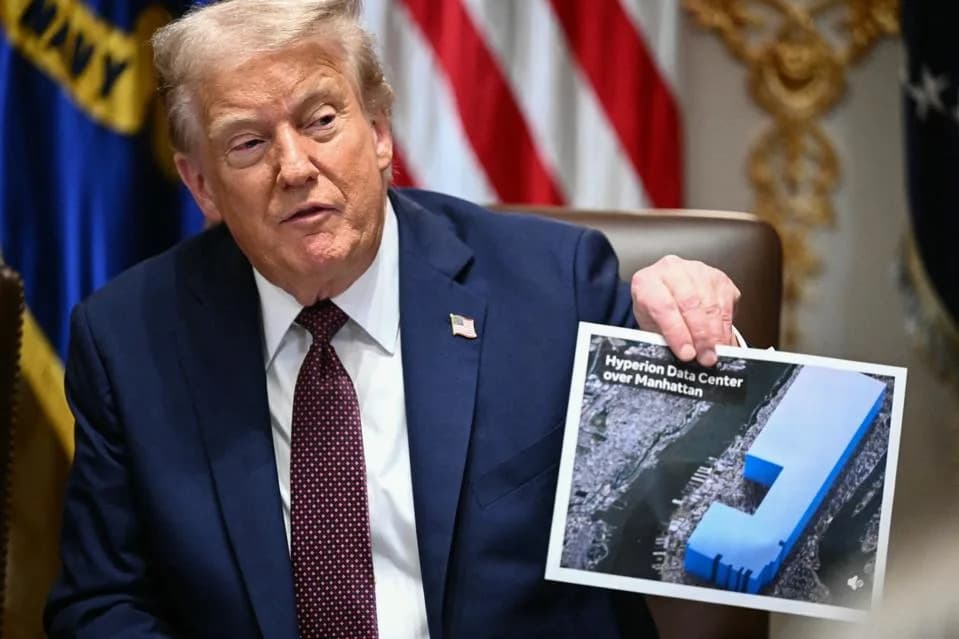
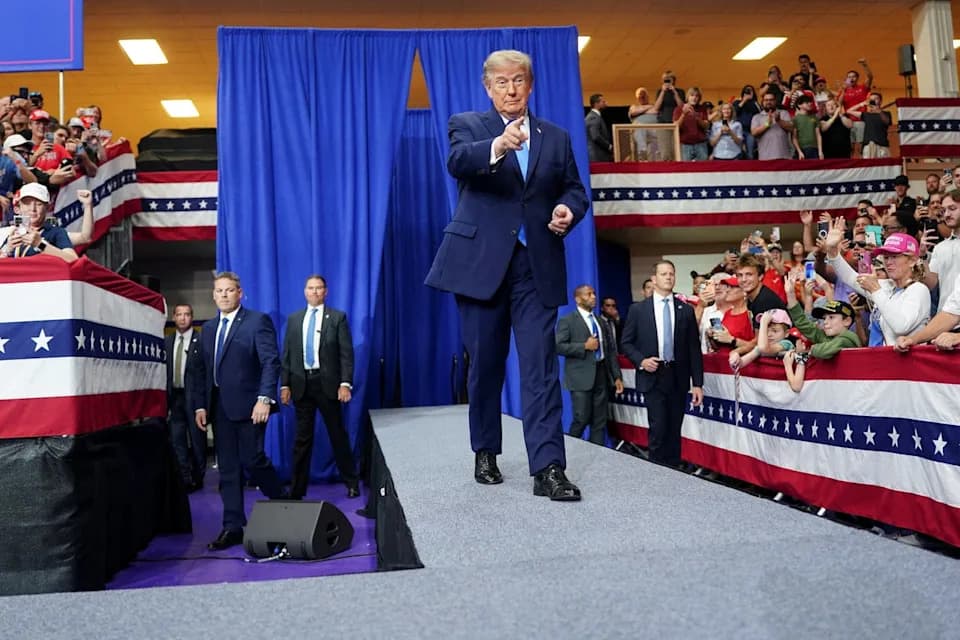
President Donald Trump shows the signed document, as he attends a roundtable on the Ratepayer Protection Pledge in the Indian Treaty Room in the Eisenhower Executive Office Building (EEOB) on the White House campus in Washington, D.C., U.S., March 4, 2026.
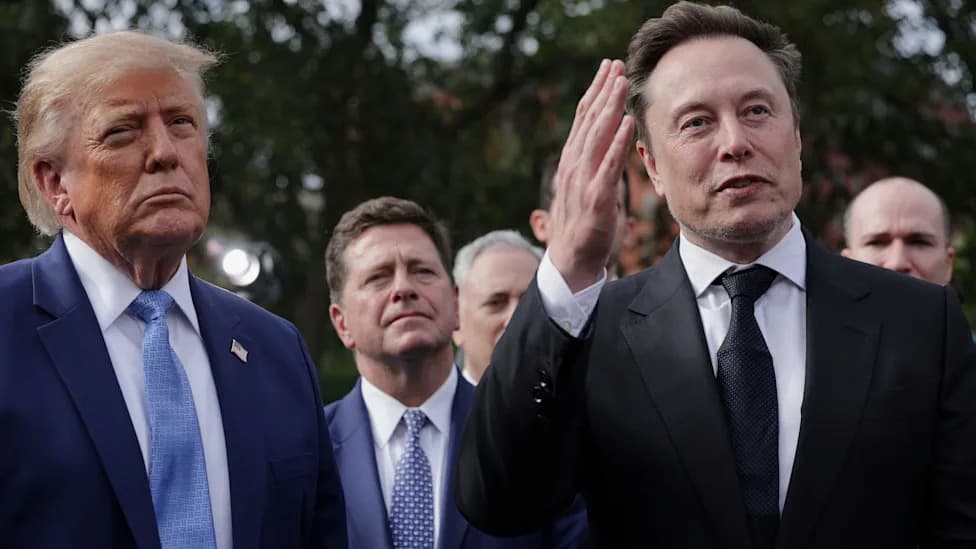
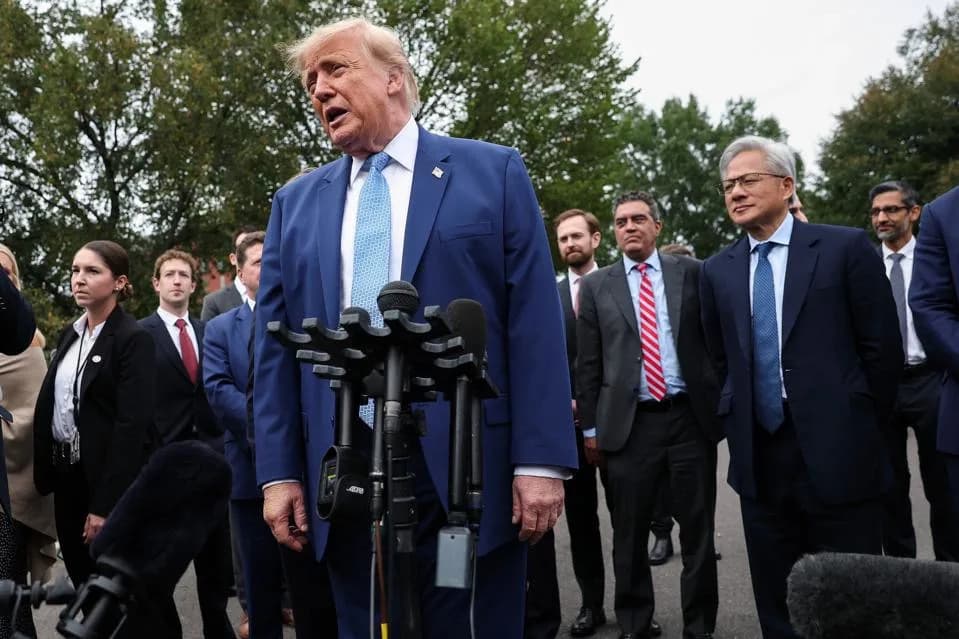
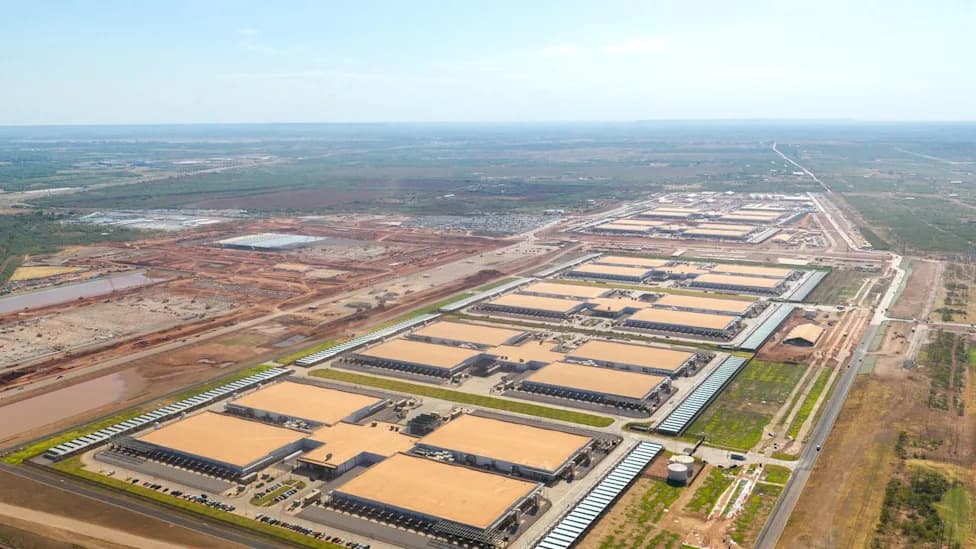
WASHINGTON — President Donald Trump is set to announce that 23 Republican governors have endorsed his Ratepayer Protection Pledge, a White House initiative aimed at preventing households from shouldering utility and infrastructure costs tied to data centers — the large facilities that power artificial intelligence across the United States.
The governors join nearly 200 stakeholders, including major utility firms, data center developers, public power utilities and cooperatives, that have already signed the pledge since it was introduced in March. Trump plans to spotlight the growing coalition at an event on July 23 at the Environmental Protection Agency headquarters; four of the signing governors are expected to attend in person.
What The Pledge Says
Signatories agree to "protect American consumers from price hikes due to data center energy and infrastructure requirements, and lower electricity costs for consumers in the long term." While the pledge is non-binding, it contains an addendum asking governors to "implement the principles established in the Ratepayer Protection Pledge, to the greatest extent possible in our respective positions."
Who Signed (Selected)
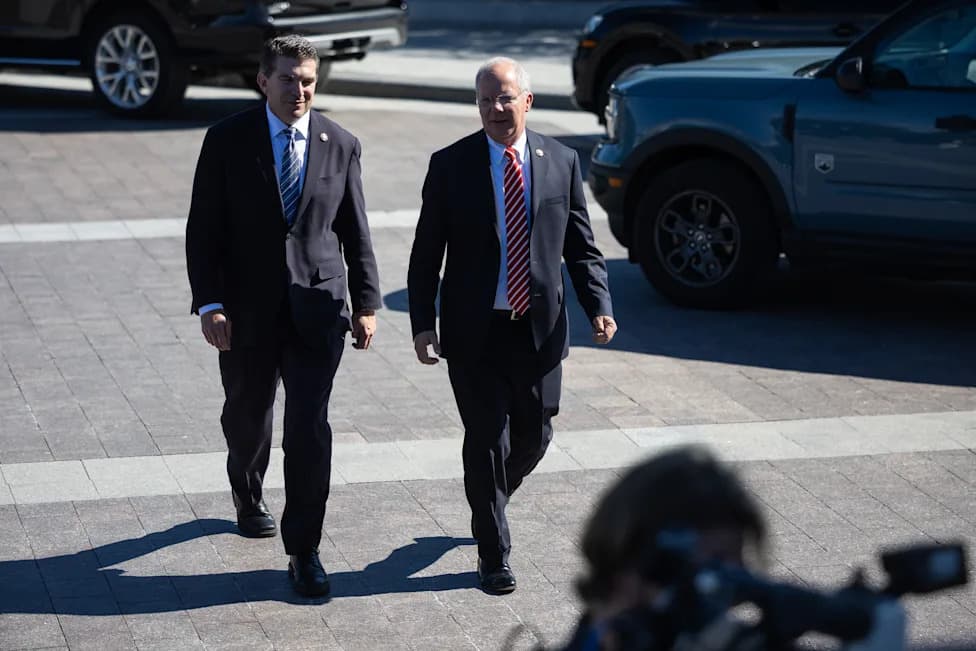
Among the governors who have signed are Alabama's Kay Ivey, Georgia's Brian Kemp, Iowa's Kim Reynolds, Ohio's Mike DeWine, Texas' Greg Abbott, Tennessee's Bill Lee and Utah's Spencer Cox. Kemp, along with Louisiana's Jeff Landry, Nebraska's Jim Pillen and Idaho's Brad Little, are scheduled to attend the July 23 event.
No Democratic governors have signed the pledge. Three Republican governors — Vermont's Phil Scott, New Hampshire's Kelly Ayotte and Florida's Ron DeSantis — have not signed; DeSantis this year signed a state law that imposes stricter regulations on data centers.

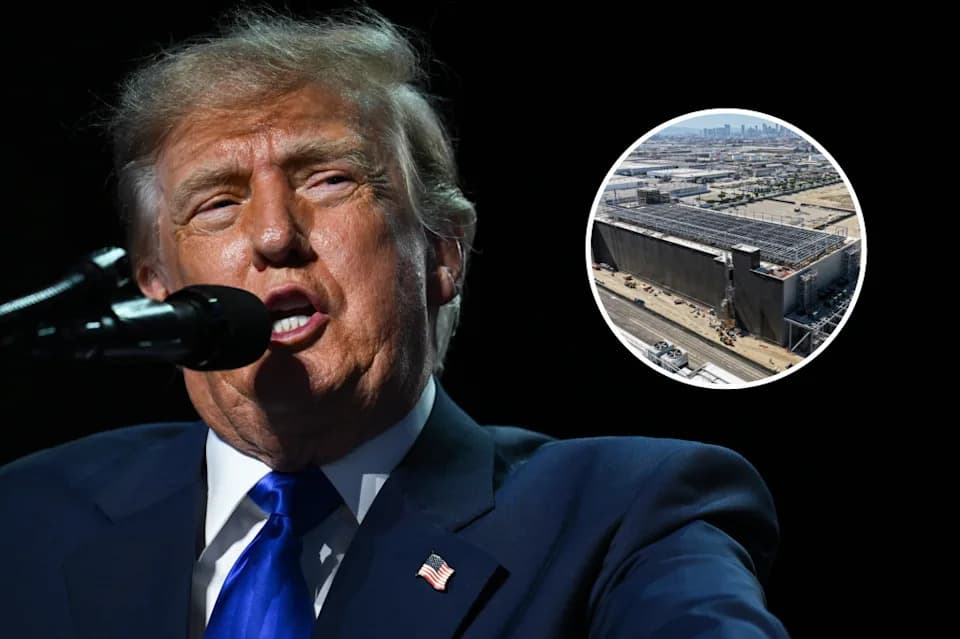
A drone view of the cooling system on the roof of the Digital Realty data center in Oakland, California, U.S., July 18, 2026.
Context And Controversy
Data centers — facilities that house servers and networking equipment — are increasingly essential to tech companies as demand for cloud computing and artificial intelligence grows. The White House and industry backers say the pledge protects consumers and helps turn data centers into local growth engines.
White House statement: "President Trump is expanding the Ratepayer Protection Pledge to governors, legislators, developers, and power providers to ensure everyone involved in building and powering data centers covers their own costs instead of passing them on to American families." — Taylor Rogers, White House spokeswoman
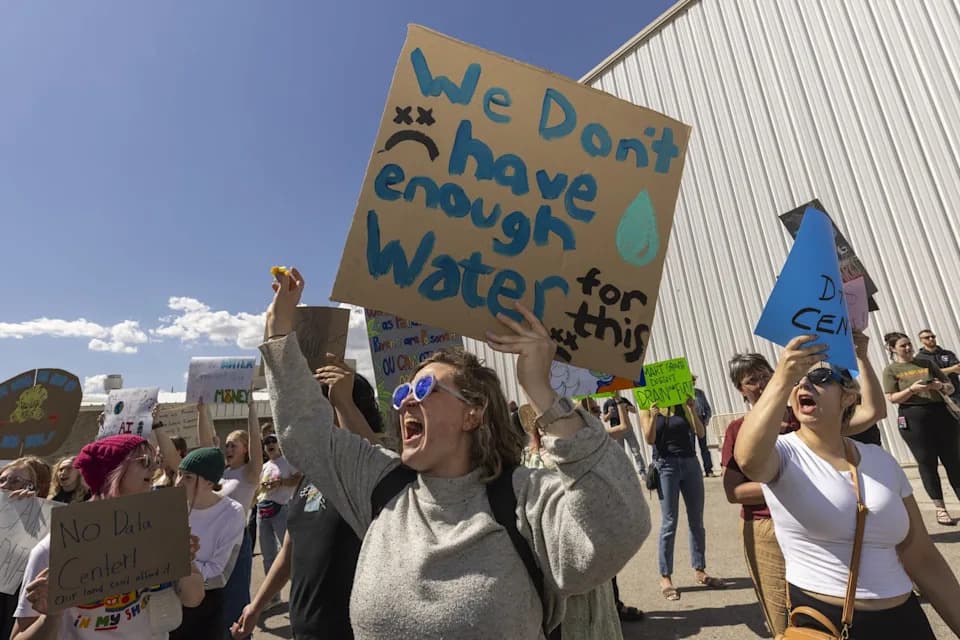
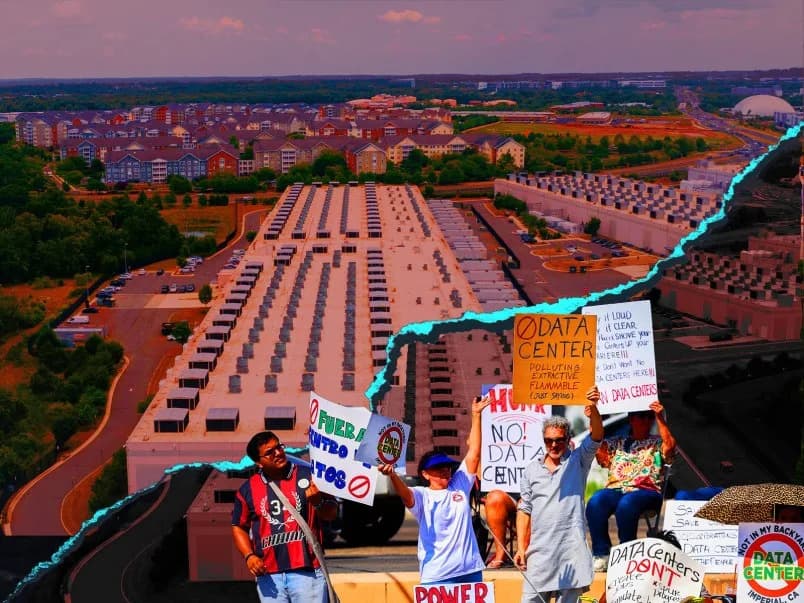
Opponents and many local residents raise concerns that data centers can consume large amounts of electricity and water, occupy extensive land, produce noise, and provide limited direct benefits to nearby communities — potentially driving up local utility costs and straining infrastructure.
Debates over data center siting have occurred in diverse places — from Nashville and Washington, D.C. suburbs to rural Utah and small towns in New Jersey. Even Palm Beach, Florida, where President Trump owns Mar-a-Lago, has seen heated local discussion about a proposed AI data center.
The administration has framed the pledge as part of a broader effort to accelerate U.S. leadership in artificial intelligence and to prevent state-level restrictions from slowing technological progress in competition with China.
Note: The pledge originally gained momentum when seven major tech companies — Google, Microsoft, Meta, Oracle, xAI, OpenAI and Amazon — signed it in March.
Help us improve.