The owner of a two‑Michelin‑starred South Korean restaurant faces fines and up to one year in jail after prosecutors say the eatery served dried ants on a sherbet dessert. Investigators allege about 49,000 ants were used in roughly 12,200 dishes and tests found heavy metals up to 55 times permitted levels for edible insects. Prosecutors seek a 20 million won fine, citing alleged profits of 120 million won over four years; a verdict is due in September. The case underscores clashes between culinary experimentation, food‑safety regulation and imported product oversight.
Two‑Michelin‑Star Chef's Restaurant Faces Jail Time After Serving Ant‑Topped Dessert
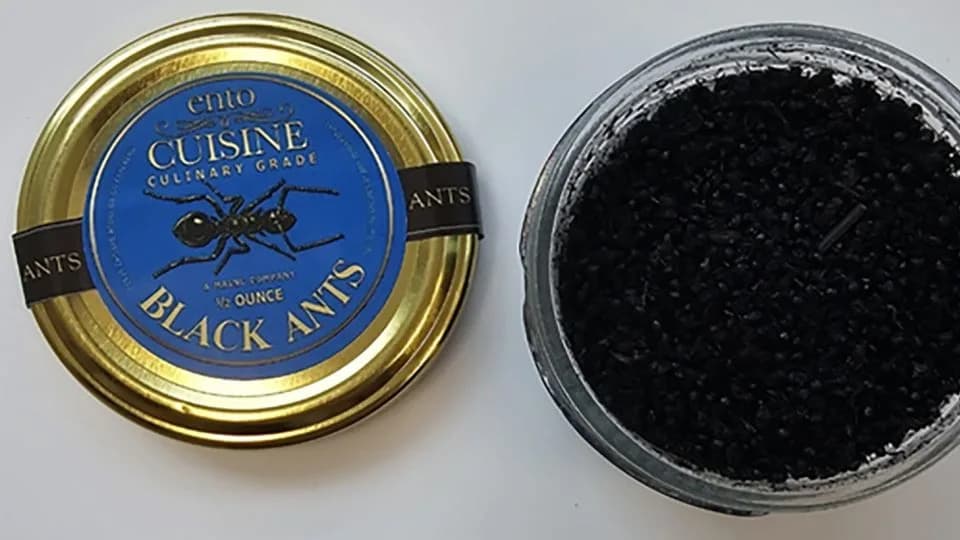
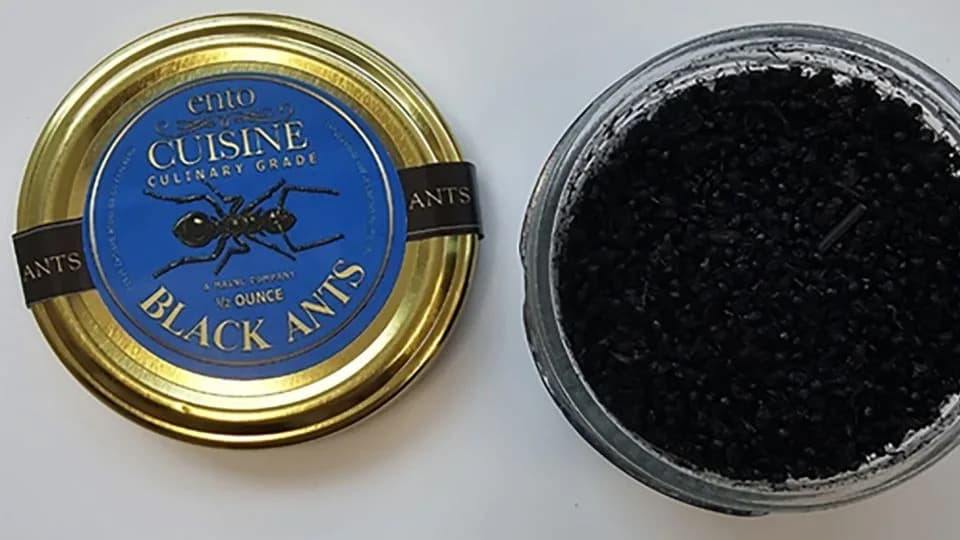
This dried ant product from the US was allegedly used by a local restaurant to make the dessert at the center of the allegations. - Ministry of Food and Drug Safety
The owner of a two‑Michelin‑starred restaurant in South Korea now faces heavy fines and up to one year in prison after prosecutors said the establishment garnished a sherbet dessert with dried ants.
Case Details
Following standard practice, prosecutors did not identify the restaurant or its owner. They told CNN the eatery had been serving dried ants imported from the United States and Thailand since 2021. Investigators allege roughly 49,000 ants were used across about 12,200 sherbet dishes.
Although the chef developed and placed the dish on the menu, prosecutors have indicted the restaurant owner for violating the Food Sanitation Act. Authorities say tests by the Ministry of Food and Drug Safety found heavy‑metal contamination in the ants — up to 55 times the maximum limit set for other edible insects.
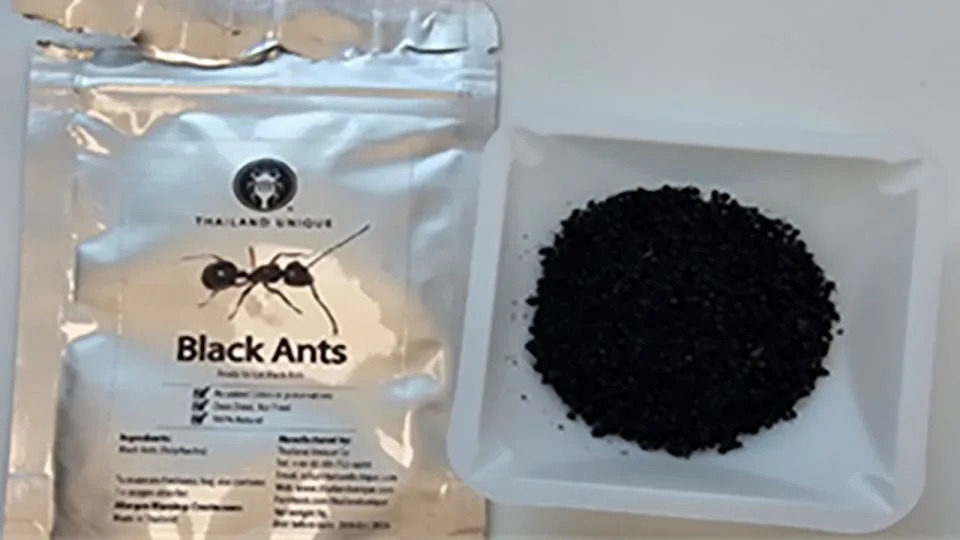
This ant product is imported from Thailand, according to the South Korean Ministry of Food and Drug Safety. - Ministry of Food and Drug Safety
Prosecutors have asked the court to impose a 20 million won (about $13,580) fine and cited estimated profits of 120 million won (about $81,470) earned over the past four years. The verdict is scheduled for September.
Restaurant's Defense
Lawyers for the restaurant say the chef added the ants to boost acidity, using a recipe he had employed while working in the United States and Europe. They told local media the ants were disclosed on the menu and served to roughly 60% of diners; the chef reportedly did not realize the practice required regulatory approval in South Korea.
Regulatory Context
South Korea's Food Sanitation Act permits only 10 insect species for human consumption without special approval, including grasshoppers and silkworm pupae. Any other species — ants included — require explicit authorization from authorities before they can be served to customers.
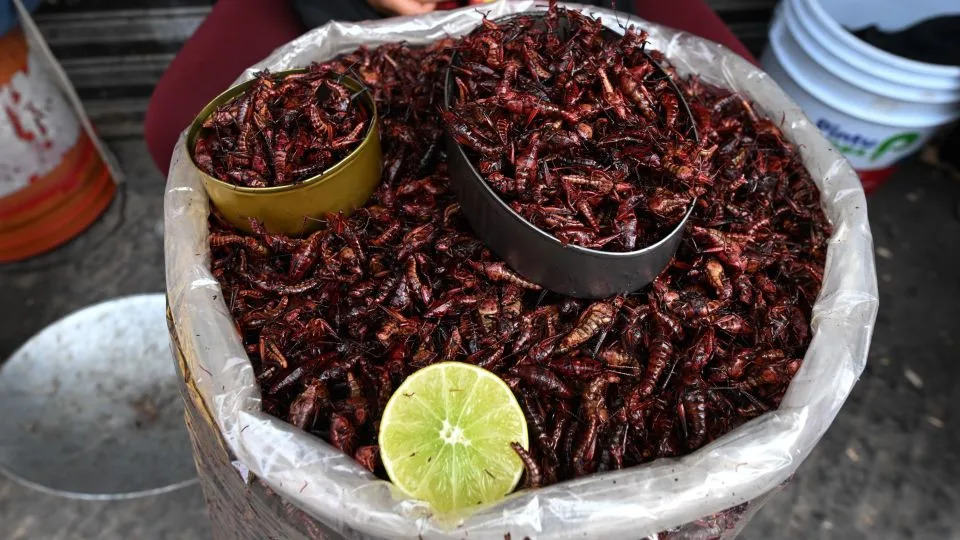
Chapulines, dried and roasted grasshoppers, a pre-Hispanic Mexican delicacy, are shown for sale on a street in downtown Puebla, Mexico. They are often used in tacos and other street foods. - Artur Widak/NurPhoto/Getty Images
Global Context And Culinary Trends
Advocates argue edible insects are a sustainable, resource‑efficient protein source. A 2013 UN Food and Agriculture Organization (FAO) report estimated at least two billion people worldwide already include insects in their diets. Commonly eaten groups include ants, beetles, bees, caterpillars, crickets, grasshoppers and termites.
High‑end chefs and restaurants in the West have experimented with insects: New York chef Joseph Yoon (Brooklyn Bugs) has used grasshoppers and even tarantulas in inventive dishes, while Copenhagen's two‑Michelin‑starred Alchemist collaborated with scientists to make ant‑infused dairy and a popular “ant‑wich” dessert.
Why This Matters: The case highlights the tension between culinary innovation and public‑health regulation — especially when imported insect products are involved and safety limits are exceeded. It raises questions about supply‑chain oversight, labeling and how fine‑dining kitchens should navigate differing rules across countries.
Help us improve.