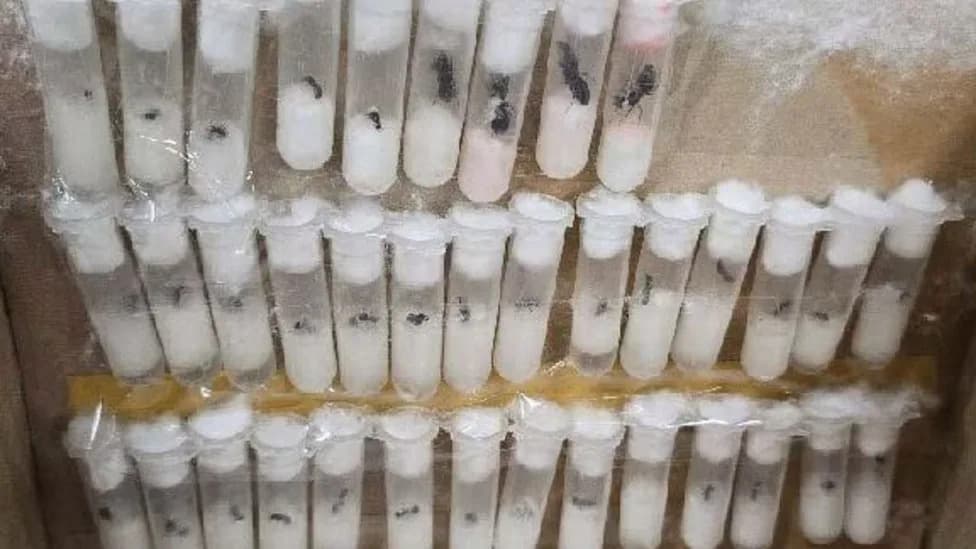
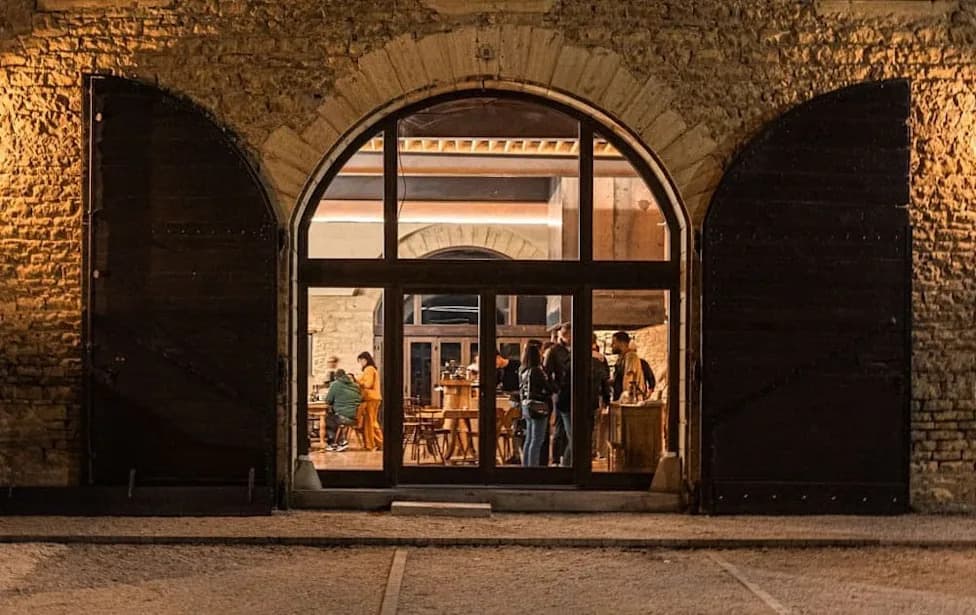
The owner of a two‑Michelin‑starred restaurant in Seoul was fined 15 million won after dried ants used on a sorbet tested with heavy metal levels far above the limits set for edible insects. Prosecutors had sought jail time and a larger fine, alleging tens of thousands of ants were served over several years. The judge cited potential health risks but imposed a fine rather than prison time after finding the quantity served may have been overstated and noting the owner had no prior record. The case highlights strict South Korean rules that permit only ten insect species for consumption without special approval.
Seoul Michelin-Starred Owner Fined After Ants-On-Sherbet Case as Heavy Metals Found
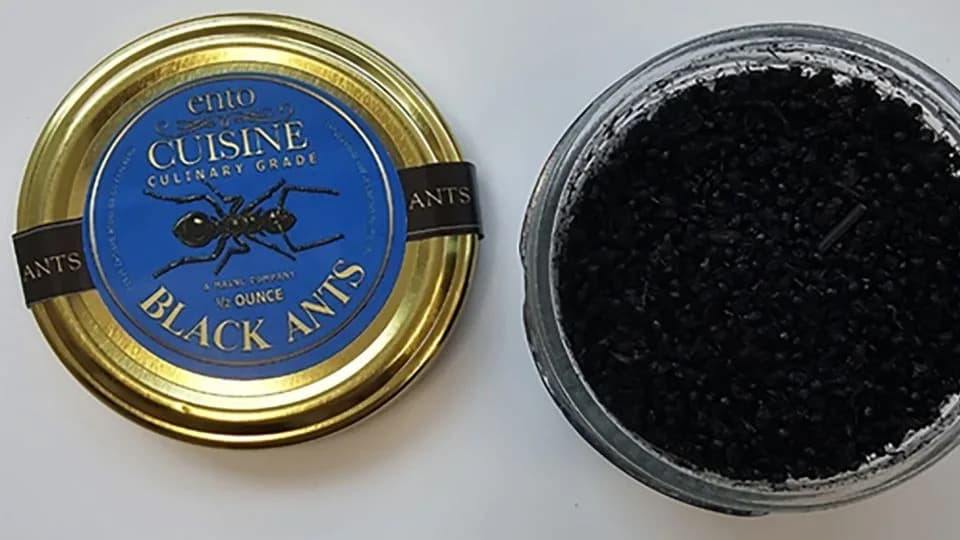
This dried ant product from the US was allegedly used by a local restaurant to make the dessert at the center of the allegations. - Ministry of Food and Drug Safety
The owner of a two‑Michelin‑starred restaurant in Seoul was fined 15 million won after prosecutors said the establishment served dried ants on a sorbet, and tests showed elevated heavy metal levels in the insect product.
Court Ruling and Penalty
On September 16, the Seoul Western District Court imposed a 15 million won (about $11,000) fine on the restaurant owner, identified only as a woman surnamed Kim. Prosecutors had sought a one‑year jail term and a 20 million won fine, arguing the restaurant earned roughly 120 million won in profits from dishes that included ants over four years. The restaurant and its chef were not publicly named and the chef was not criminally charged.
Health Concerns and Evidence
Investigators said the restaurant used dried ants imported from the United States and Thailand beginning in 2021. The prosecution alleged about 49,000 ants were served across roughly 12,200 sherbet portions. The Ministry of Food and Drug Safety reported that tested ant samples contained heavy metal concentrations up to 55 times higher than the maximum limits set for other edible insects, raising potential public health concerns.
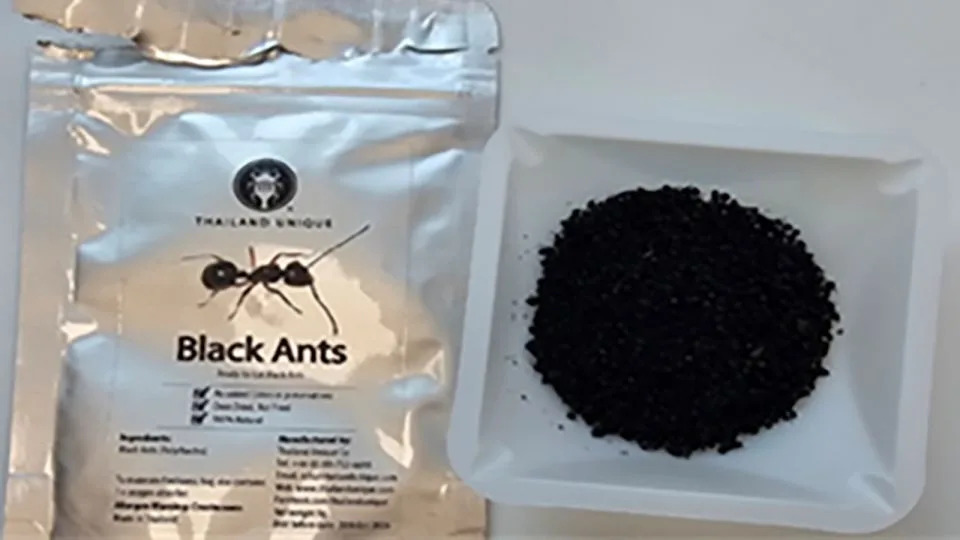
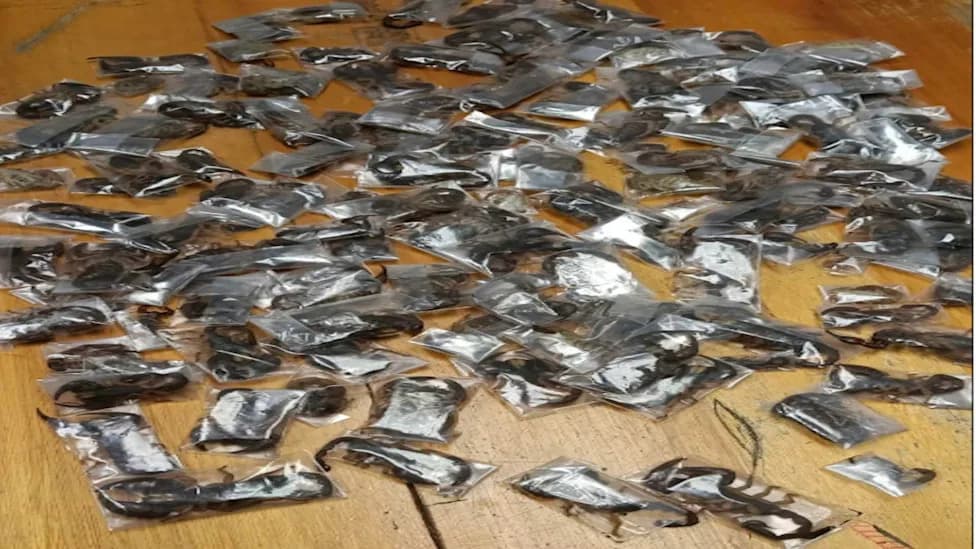
This ant product is imported from Thailand, according to the South Korean Ministry of Food and Drug Safety. - Ministry of Food and Drug Safety
The Ministry of Food and Drug Safety found heavy metal levels up to 55 times the permitted limit for edible insects in samples from the restaurant.
Judge's Reasoning
The judge acknowledged the potential health risk from the elevated heavy metal findings but imposed a fine rather than prison time after considering evidence that the amount of ants served was likely lower than prosecutors estimated and that Kim had no prior criminal record.
Regulatory Context
South Korea tightly regulates which insects may be served as food. Under the Food Sanitation Act, only ten insect species — including grasshoppers and silkworm pupae — are approved for human consumption without special authorization. Serving other species, such as ants, requires prior approval from authorities.
Defense And Restaurant's Account
Defense lawyers said the chef used ants to add acidity to a dessert based on recipes he had prepared in the United States and Europe and that he was not aware that ants were not approved for use in South Korea. They also said ants were served to about 60% of customers and were listed on the menu as an ingredient.
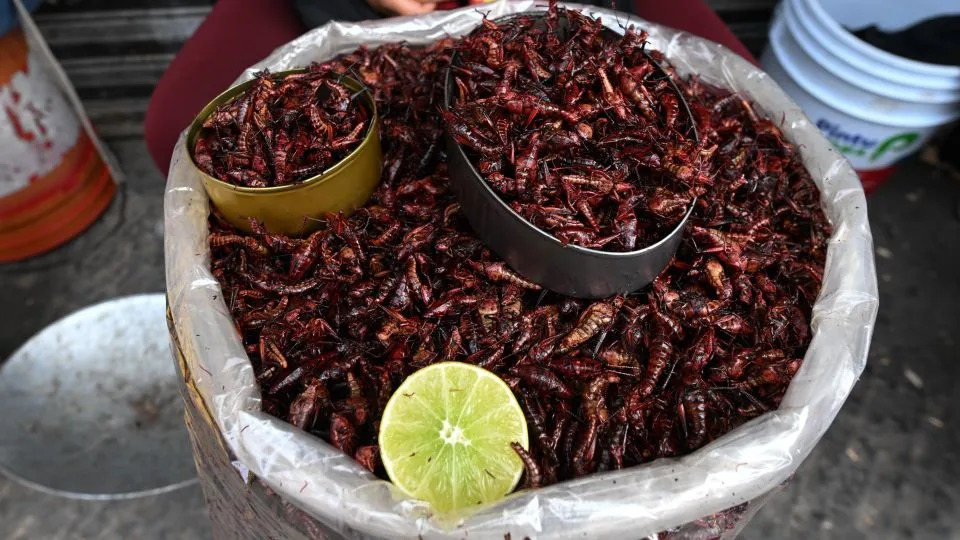
Chapulines, dried and roasted grasshoppers, a pre-Hispanic Mexican delicacy, are shown for sale on a street in downtown Puebla, Mexico. They are often used in tacos and other street foods. - Artur Widak/NurPhoto/Getty Images
Bigger Picture: Edible Insects
Advocates highlight insects as a sustainable, nutrient‑dense protein source that requires fewer resources than conventional livestock. The UN Food and Agriculture Organization reported in 2013 that at least two billion people worldwide regularly eat insects. Globally common edible groups include ants, beetles, bees, caterpillars, cicadas, crickets, grasshoppers and termites.
In recent years, chefs and food innovators in Europe and North America have experimented with insects in high‑end dining. Examples include insect‑forward dishes by chefs and collaborations that explore fermentation and other techniques using ants and other insects. The case in Seoul underscores how food innovation can collide with national safety rules and import controls.
Editor’s Note: This story was originally published in July 2026 and has been updated with additional information.
Help us improve.