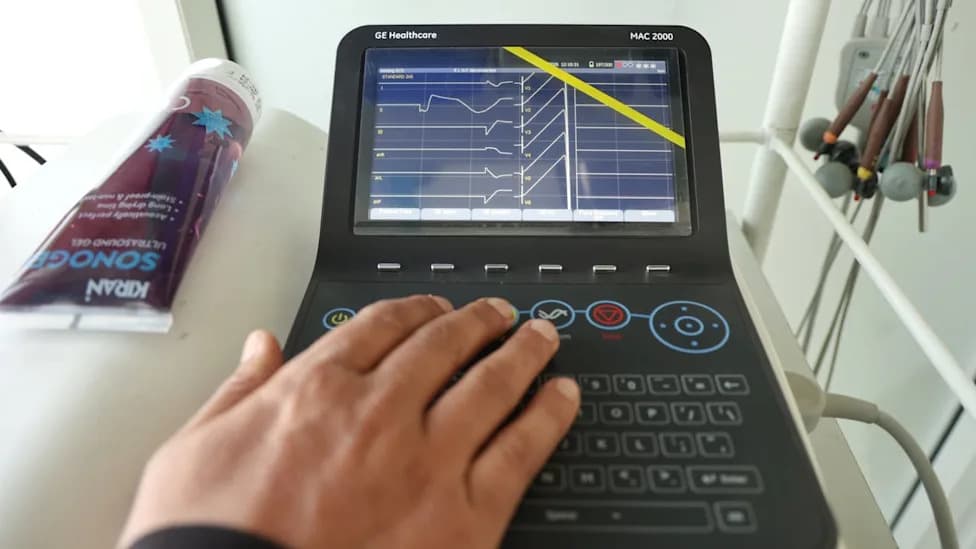
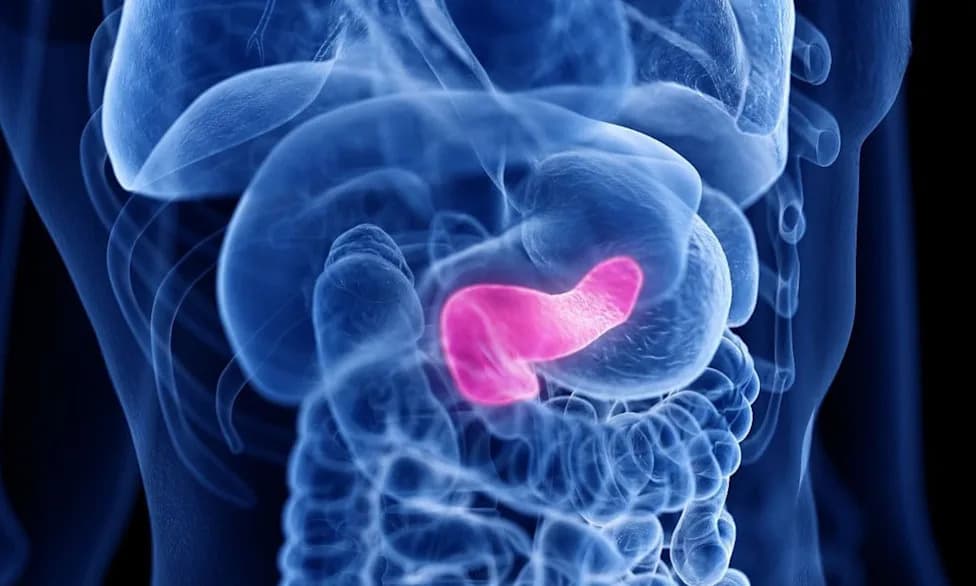
The AHA Impact Report finds Ultromics' EchoGo AI may identify HFpEF an average of 263 days earlier than standard care for patients with delayed diagnosis. Modeled outcomes estimate 477 lives saved per 10,000 patients and up to $1.9 million in health system savings over five years (~$1,800 per patient). The analysis used independent data curated by Dandelion Health and evaluated in the AHA's AI Assessment Lab.
AHA Report: Ultromics’ EchoGo AI Could Detect HFpEF Up To Nine Months Earlier — Modeled Lives Saved And Cost Savings

New AHA report highlights Ultromics’ AI tool’s benefit in earlier heart failure diagnosis
New findings from the American Heart Association (AHA) Impact Report suggest that Ultromics' EchoGo Heart Failure artificial intelligence (AI) algorithm could identify heart failure with preserved ejection fraction (HFpEF) significantly earlier than standard clinical care—by an average of 263 days for patients who would otherwise face delayed diagnosis.
Key Findings
- EchoGo was estimated to detect HFpEF an average of 263 days earlier than usual care for patients with delayed diagnosis.
- Modeled outcomes project 477 lives saved per 10,000 patients over five years if earlier detection leads to timely intervention.
- Economic modeling suggests up to $1.9 million in health system savings over five years—about $1,800 per patient from health system and payer perspectives.
How the Assessment Was Done
The AHA assembled an Impact Report using independent clinical and imaging data via its AI Assessment Lab. The lab evaluated cardiovascular and stroke AI algorithms using a dataset curated by Dandelion Health. All modeling was performed on a per-10,000-patient basis over a five-year horizon and reflects modeled outcomes rather than direct clinical trial results.
Why This Matters
HFpEF can be difficult to diagnose: symptoms are often non-specific and early disease may be missed on standard imaging. The report also notes diagnostic bias because many normal reference ranges derive from predominantly white male populations, contributing to underdiagnosis in women and people from other ethnic backgrounds.
About EchoGo
Ultromics, based in Oxford, U.K., designed EchoGo to automate echocardiogram analysis and measurements. By removing the need for manual tracing, the tool aims to standardize reporting and reduce operator variability in detecting HFpEF and related conditions such as cardiac amyloidosis.
Roger Owens, Chief Commercial Officer at Ultromics, said: "AI diagnostics require different evaluation from traditional cardiovascular technologies. Many hospitals need independent, clinically meaningful validation showing how models are trained, validated and integrated into workflows before they will adopt them. The AHA's AI Assessment Lab provides that bridge, demonstrating that EchoGo works consistently across a diverse dataset and is ready to support decision-making at scale."
While the AHA report presents modeled benefits rather than direct outcomes from a prospective trial, it provides independent validation and an evidence-based case for the potential clinical and economic value of deploying EchoGo in routine practice.
Help us improve.