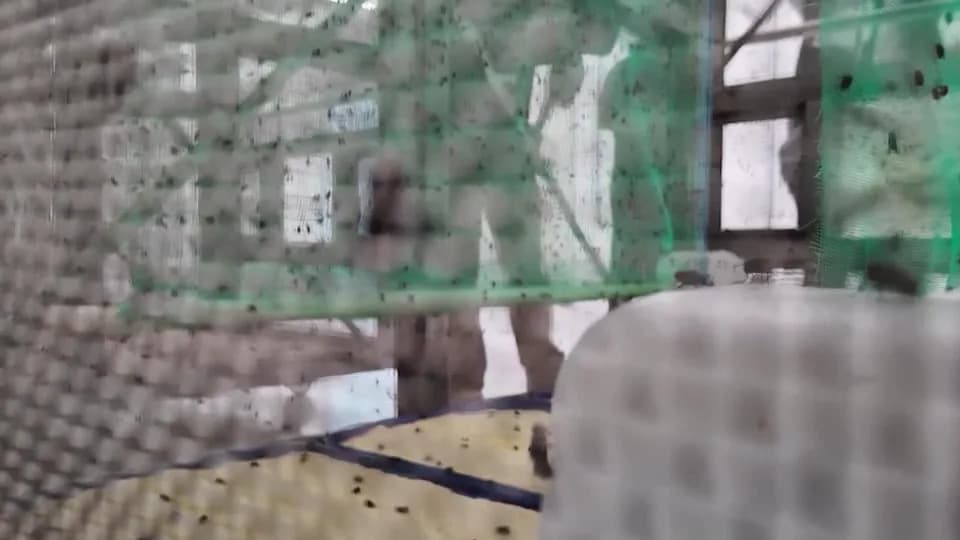
U.S.-funded scientists in Panama are starting outdoor mesh-cage trials of NovoFly, a genetically engineered screwworm that produces only males, to test survivability and mating competitiveness under tropical conditions. NovoFly could nearly double the pool of effective sterile males after radiation sterilization, potentially speeding eradication efforts that currently require far more insects than the Panama plant produces. Larger field releases are planned in 9–12 weeks, and the EPA has published a proposed decision to register the strain.
U.S.-Backed NovoFly Trials Begin in Panama as Scientists Race to Curb Flesh-Eating Screwworm
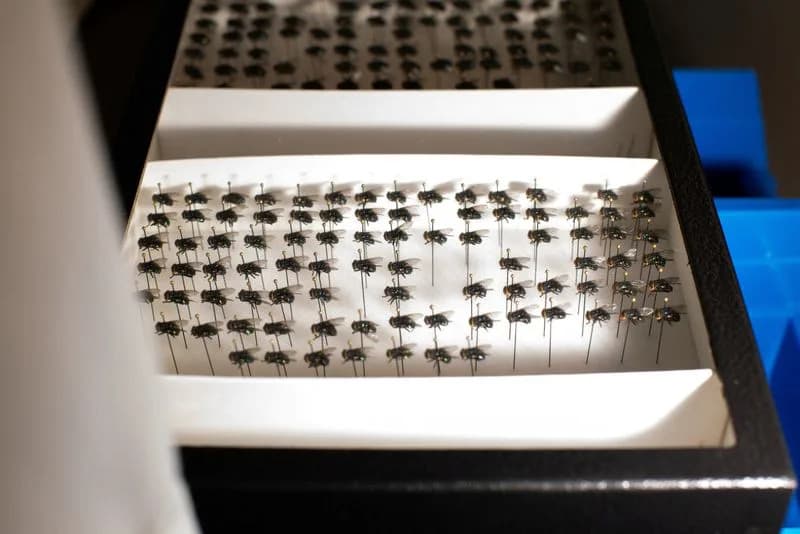
A reference collection of sterile New World screwworm flies from Panama sits on a counter at the Knipling-Bushland U.S. Livestock Insects Research Laboratory in Kerrville, Texas, U.S. July 14, 2026. REUTERS/Kaylee Greenlee
Scientists at a U.S.-funded facility in Panama are beginning the first outdoor evaluations of a genetically engineered screwworm fly called NovoFly, a potential accelerator in the fight against the parasitic New World screwworm that has spread through Central America and recently reappeared in Texas.
Why NovoFly Matters
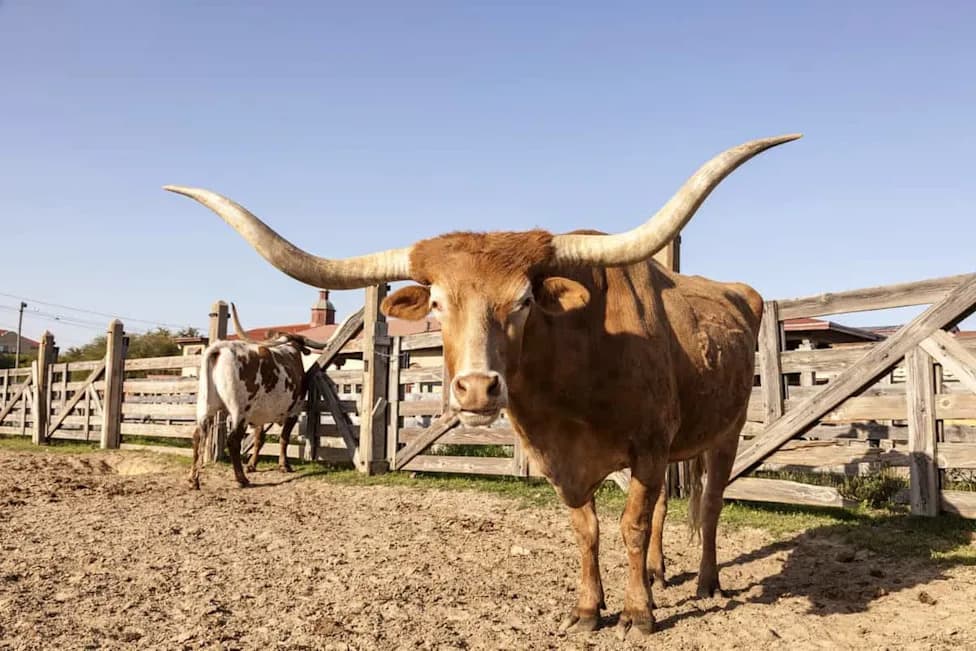
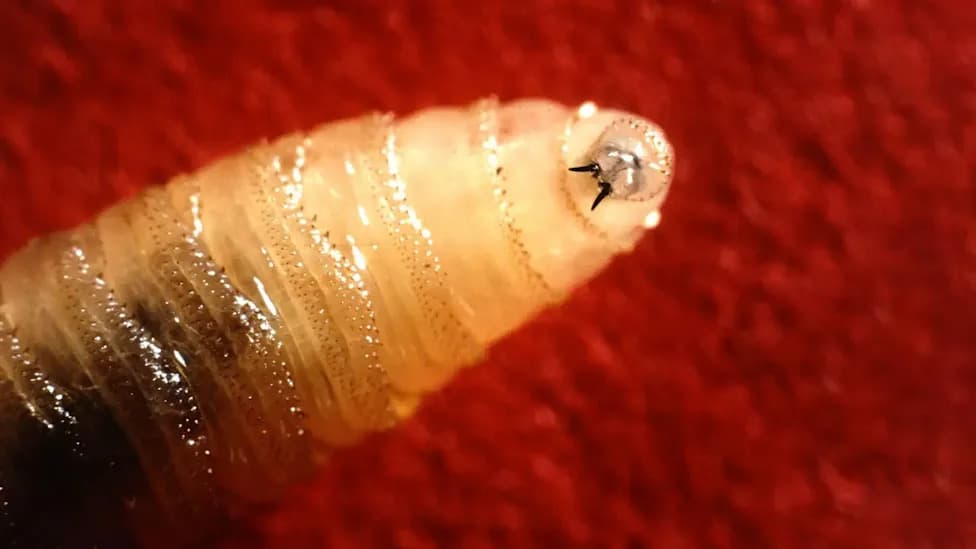
Screwworms are parasitic flies whose females lay eggs in wounds and mucous membranes of warm-blooded animals; hatched larvae burrow into living flesh and can kill livestock if left untreated. For decades, the most effective control method has been the sterile-insect technique: mass releases of sterilized male flies to mate with wild females so they produce infertile eggs and the population declines.
What NovoFly Is Designed To Do
NovoFly is genetically engineered to produce only male offspring. After those males are sterilized — the same radiation step used for conventional releases — they can be released to mate with wild females, many of which typically mate only once. By increasing the proportion of effective sterile males in the environment, NovoFly aims to accelerate population decline and reduce the time and scale needed to re-establish control.
Planned Tests And Timeline
Initial outdoor work will confine NovoFly in mesh cages exposed to Panama’s tropical heat and humidity to assess survivability outside laboratory conditions. Researchers expect larger field trials at a nearby ranch in roughly nine to 12 weeks, where teams plan to release about 50,000 marked flies every few days and use fluorescent dyes and traps to monitor survival, dispersal and mating competitiveness.
Scale, Risks And Regulatory Status
The Panama production plant currently produces about 100 million sterile flies per week, but experts estimate roughly 500 million weekly would be needed to push screwworm back to the Darien Gap and restore the geographic barrier. Introducing NovoFly could nearly double the effective number of sterile males available, but integrating a new strain into the existing Panama operation carries risks: different dietary, temperature, or rearing needs could disrupt production and even cause a brood collapse.
“The last thing we'd want to do is rush a process to be able to have what's called a total brood collapse,” said Rear Admiral Michael Schmoyer, who is leading USDA’s screwworm response.
The U.S. Environmental Protection Agency published a proposed decision to register NovoFly in June; full approval would make it the first genetically modified insect to receive complete EPA registration. If trials are successful, a staged scale-up is likely: NovoFly could be produced initially at a planned U.S. sterile-fly facility in Texas (expected to open late next year) and potentially at facilities in Mexico and Panama.
Outlook And Caveats
Researchers stress that success is not guaranteed. Key questions include whether NovoFly can fly far enough and remain competitive with wild males to secure matings, and whether it can be reared reliably at large scale. Even with positive trial results, officials say it will likely take more than a year of sustained effort and increased fly production to bring current outbreaks under control.
Scientists and officials emphasize careful testing and staged deployment to avoid disrupting the existing, decades-proven sterile-release program while seeking faster, more effective tools to protect livestock and livelihoods.
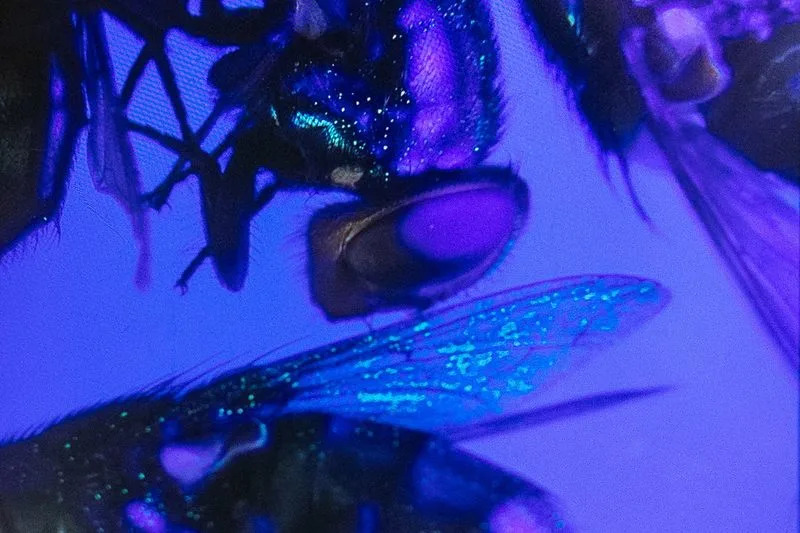
A distinctive powder that glows under blacklight, applied to sterile New World screwworm flies, is seen through a microscope on a phone display at the Knipling-Bushland U.S. Livestock Insects Research Laboratory in Kerrville, Texas, U.S. July 14, 2026. REUTERS/Kaylee Greenlee
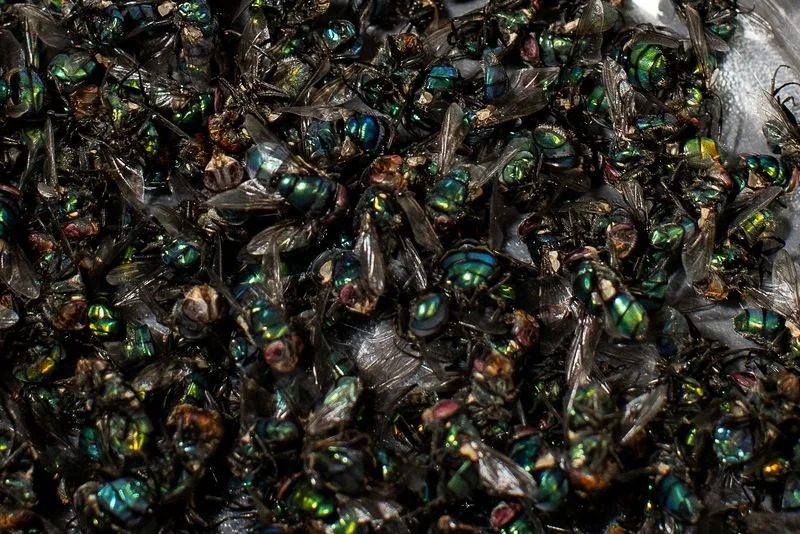
A reference collection of botflies sit in a petri dish on a counter at the Knipling-Bushland U.S. Livestock Insects Research Laboratory in Kerrville, Texas, U.S. July 14, 2026. REUTERS/Kaylee Greenlee
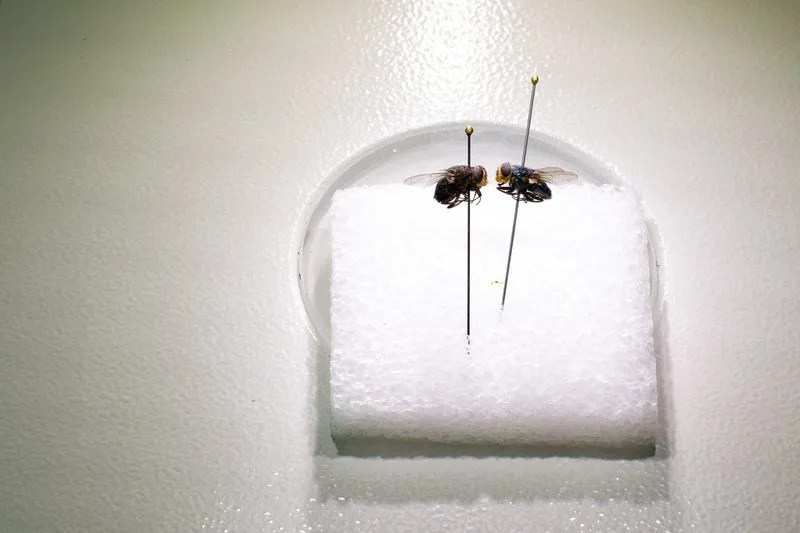
New World screwworm and other botfly specimens are placed under a microscope as part of a demonstration at the Knipling-Bushland U.S. Livestock Insects Research Laboratory in Kerrville, Texas, U.S. July 14, 2026. REUTERS/Kaylee Greenlee
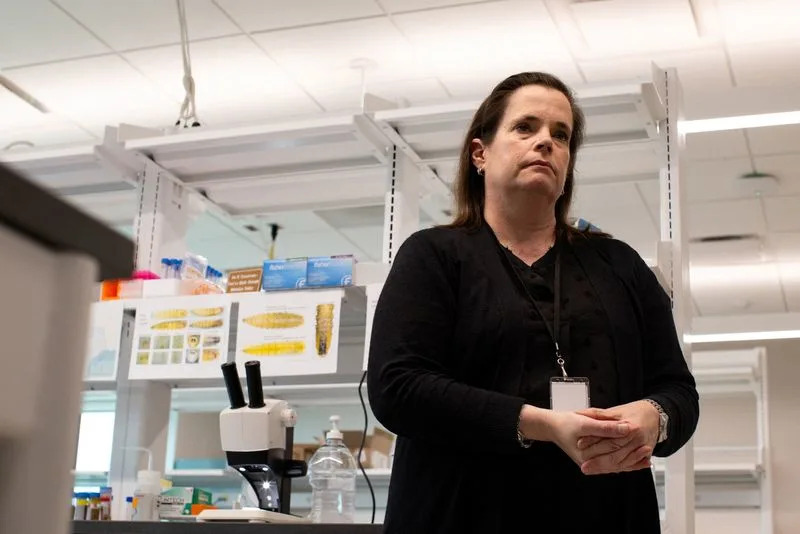
Laboratory Director Kim Lohmeyer participates in an interview at the Knipling-Bushland U.S. Livestock Insects Research Laboratory in Kerrville, Texas, U.S. July 14, 2026. REUTERS/Kaylee Greenlee
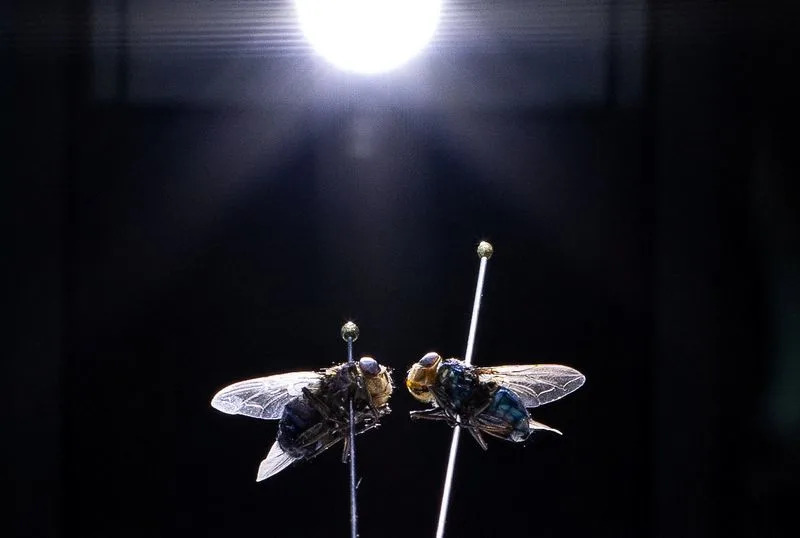
New World screwworm and other botfly specimens are placed under a microscope as part of a demonstration at the Knipling-Bushland U.S. Livestock Insects Research Laboratory in Kerrville, Texas, U.S. July 14, 2026. REUTERS/Kaylee Greenlee
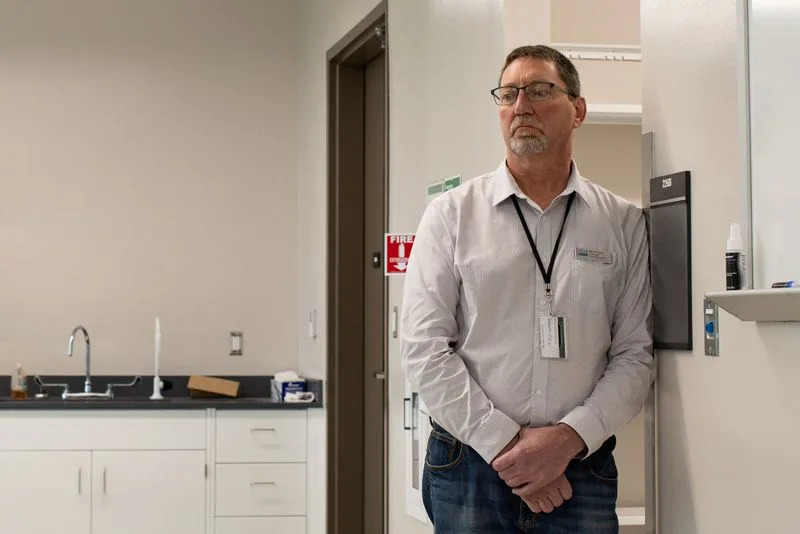
Ecologist Paul Hickner waits in the laboratory at the Knipling-Bushland U.S. Livestock Insects Research Laboratory in Kerrville, Texas, U.S. July 14, 2026. REUTERS/Kaylee Greenlee
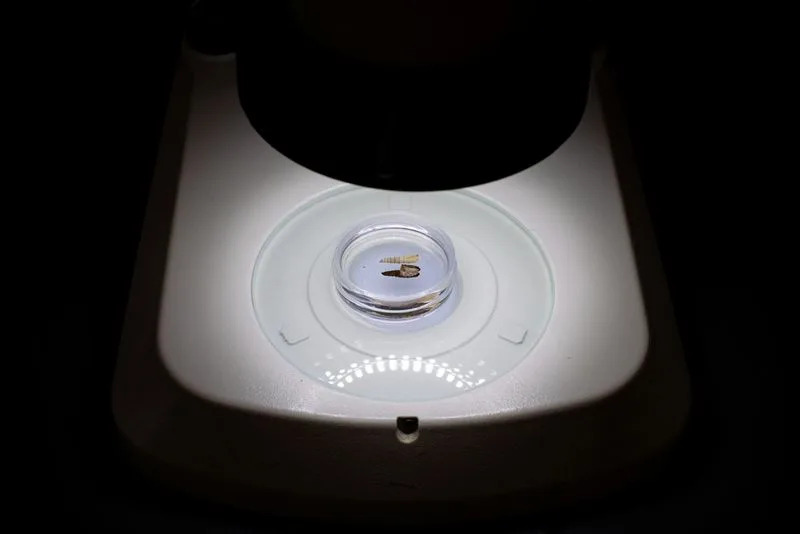
New World screwworm larvae are illuminated under a microscope as part of a demonstration at the Knipling-Bushland U.S. Livestock Insects Research Laboratory in Kerrville, Texas, U.S. July 14, 2026. REUTERS/Kaylee Greenlee
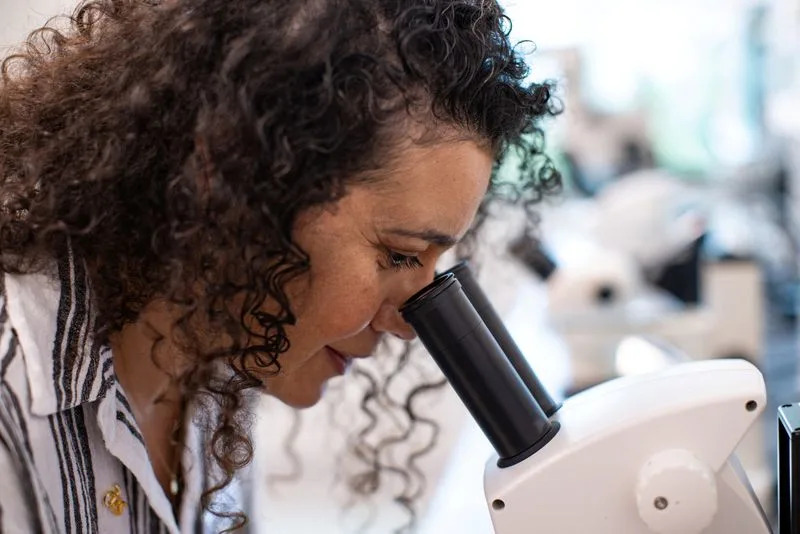
Oak Ridge Institute for Science and Education Scientist Zamira Yusseff-Vanegas observes sterile New World screwworm flies under a microscope at the Knipling-Bushland U.S. Livestock Insects Research Laboratory in Kerrville, Texas, U.S. July 14, 2026. REUTERS/Kaylee Greenlee
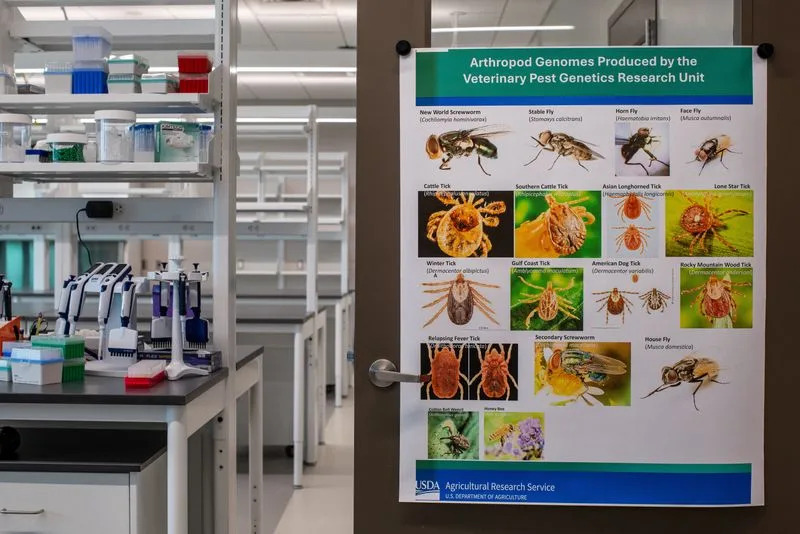
A poster shows several types of arthropods being studied in the genomics laboratory at the Knipling-Bushland U.S. Livestock Insects Research Laboratory in Kerrville, Texas, U.S. July 14, 2026. REUTERS/Kaylee Greenlee
Help us improve.