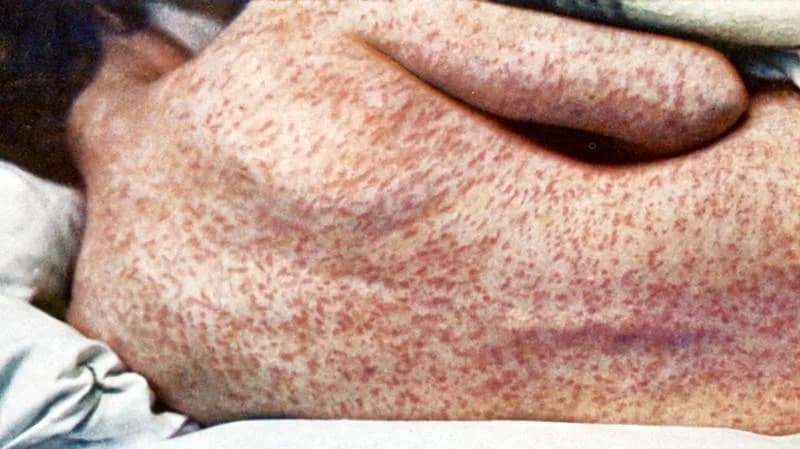
Measles cases in the U.S. have jumped to levels not seen in over 30 years, raising the risk that the country could lose the measles elimination status it earned in 2000. Most of the 2,295 cases reported this year appear to be locally acquired, driven by declines in MMR coverage after the pandemic and clustered gaps in community-level vaccination. Experts say reversing the trend requires restoring roughly 95% two-dose MMR coverage at the community level, countering misinformation and expanding exemptions, and rebuilding public health surveillance and response capacity.
Measles Surge Threatens U.S. Elimination Status — What It Will Take to Get It Back

(Douglas Rissing/Getty Images)
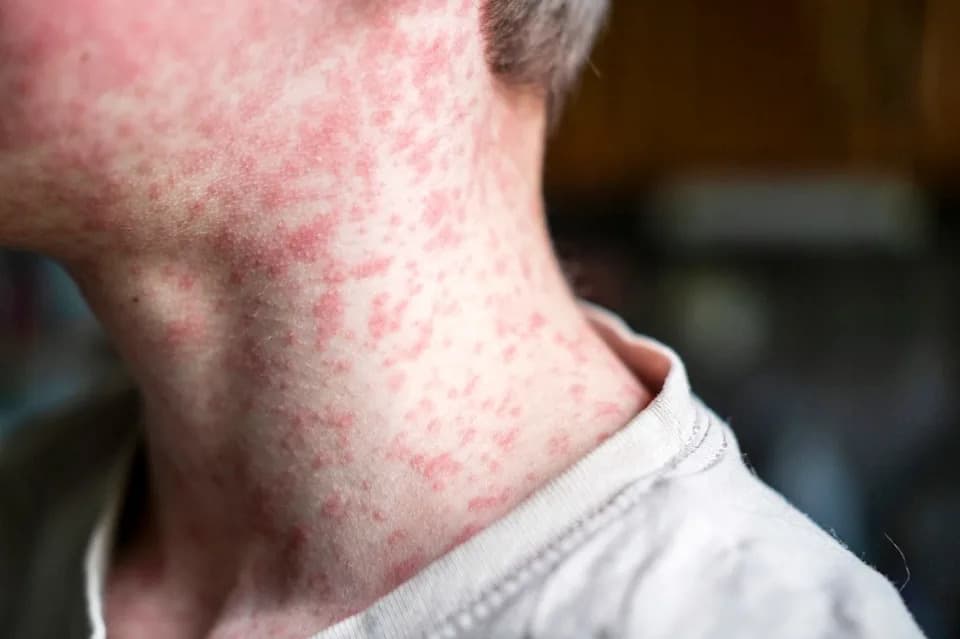
Measles cases in the United States have risen to levels not seen in more than three decades, prompting concern that the nation could lose the measles elimination status it achieved in 2000 and had recertified in 2011.
What “Elimination” Means—and Why It Matters
Elimination does not mean the virus is eradicated from the country. It means there is no sustained, endemic transmission — no continuous local spread for more than 12 months where reliable surveillance exists. Imported cases can still occur, but public health systems interrupt spread quickly.
YouTube Thumbnail
“Cases will still happen as measles is always a plane flight away, but we shut them down fast,” Jessica Steier, founder of Unbiased Science, told ScienceAlert.
Current Situation
The Johns Hopkins Bloomberg School of Public Health measles-tracking team reports 2,295 cases so far this year, and most of those appear to have been acquired locally within the state where they were reported rather than imported from abroad. That pattern is inconsistent with sustained elimination.
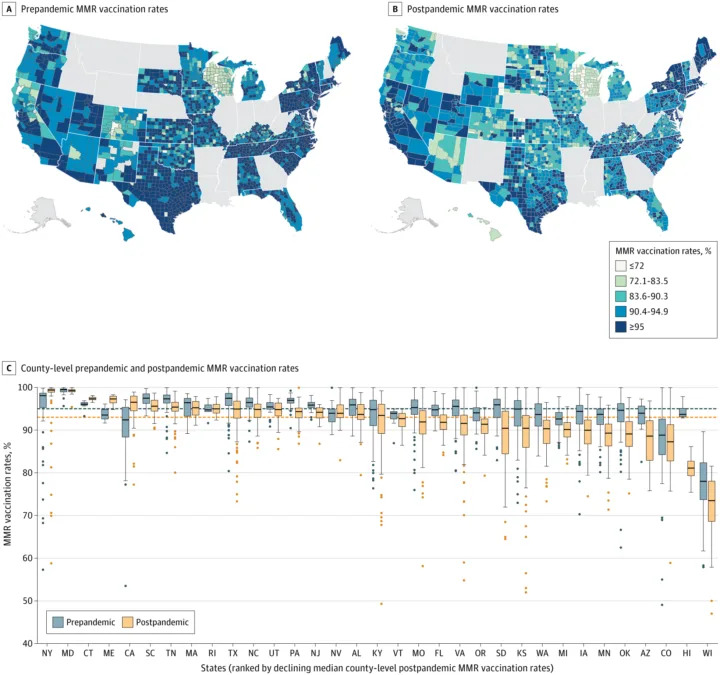
MMR vaccination completion rates dropped in many US states and counties after thepandemic. States and counties in gray have missing vaccination data. (Dong et al.,JAMA, 2025)
“A state that sits comfortably above threshold may contain counties and communities well below it, which is where the risk of measles outbreaks really lies.” — Lauren Gardner, data scientist, Johns Hopkins University
Why Coverage Has Fallen
Public health officials point to multiple, interacting drivers: MMR vaccination completion rates declined in many states and counties after the COVID-19 pandemic; more jurisdictions are expanding nonmedical exemptions; misinformation about vaccines is circulating online and in communities; and many public health agencies have lost staff and funding needed for rapid outbreak detection and response.
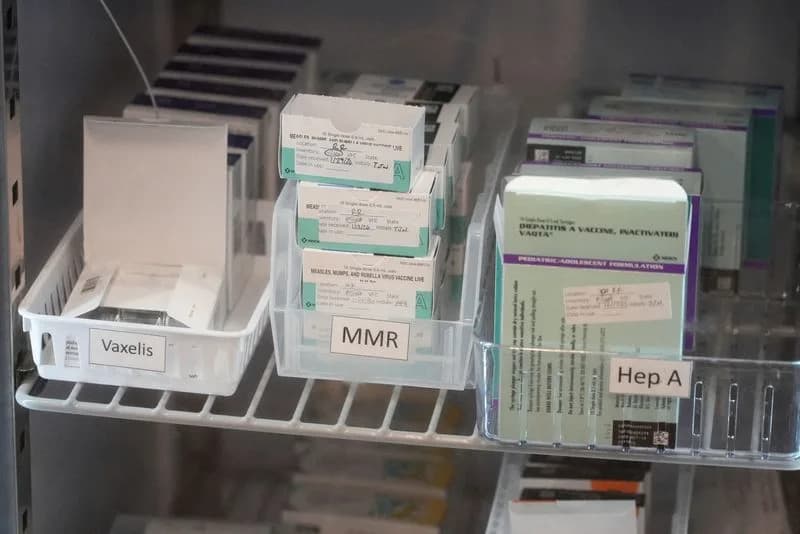
Health experts emphasize that the relevant benchmark is local coverage: to prevent sustained transmission, communities generally need about 95% coverage with two doses of MMR vaccine. National or state averages can hide low-coverage pockets where outbreaks begin and spread.

Subscribe to ScienceAlert's free fact-checked newsletter
Outlook and What It Will Take To Restore Elimination
The Pan American Health Organization (PAHO) plans to review the region's measles elimination status in November this year, and a recent paper in The Lancet suggested it is "highly likely" the U.S. could lose elimination status in 2026 unless trends change.
Experts say restoring and maintaining elimination will require: raising community-level MMR coverage to about 95% (especially in under-immunized counties), countering vaccine misinformation, tightening or reversing policies that expand exemptions, and rebuilding public health capacity—staff, surveillance, and funding—to detect and suppress clusters quickly.
“Declining MMR coverage is the main driver,” Steier said. “That’s compounded by more states expanding exemptions, and public health agencies losing the staff and funding needed to track and respond to outbreaks quickly.”
If communities can achieve uniformly high local vaccination rates and public health agencies are adequately resourced to respond rapidly, the U.S. can preserve or regain elimination status. Without both high local coverage and swift outbreak response, experts warn the country risks losing a public health achievement that took decades to secure.
Sources: Johns Hopkins Bloomberg School of Public Health measles-tracking team; Pan American Health Organization; The Lancet; interviews with public health experts.
Help us improve.