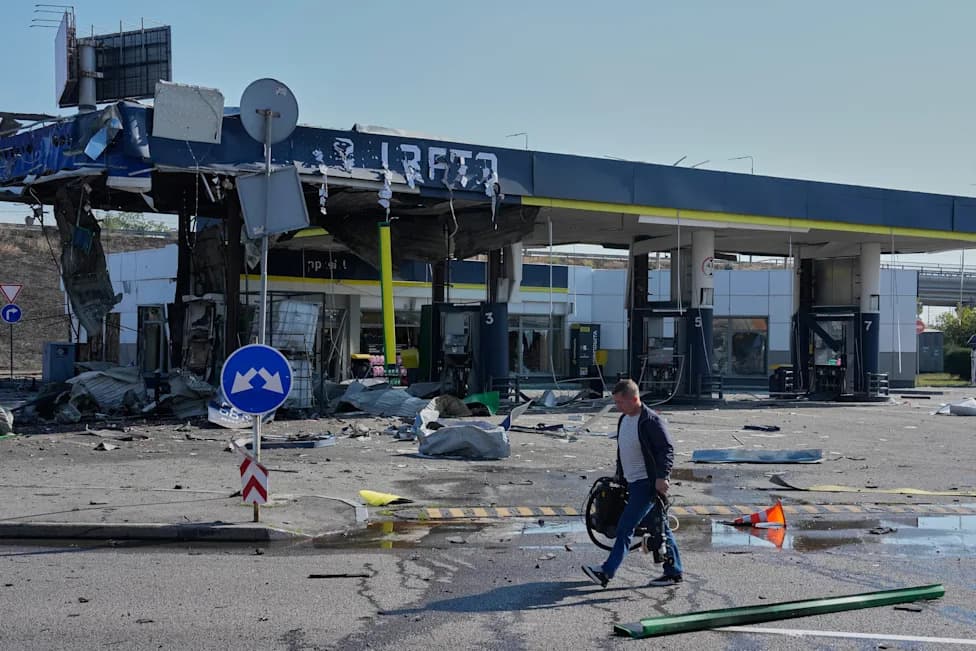
Satellite photos from open-source analysts and Planet Labs verify that a Ukrainian SBU drone strike destroyed a Russian Tu-95MS at Engels-2 air base roughly 800 km inside Russia. The Tu-95MS is a rare, Cold War–era strategic bomber (about 60 remain), and at least 10 have been photo-confirmed lost since 2022. The strike both reduces Russia's long-range strike capacity and delivers a psychological blow, though Moscow is likely to harden defences and continue missile operations.
Satellite Images Confirm Ukraine Drone Strike Destroyed Rare Tu-95MS Bomber At Engels-2
Credit: Wikipedia
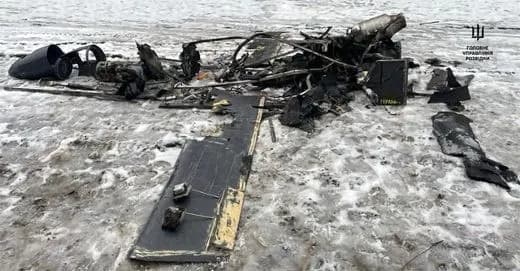
Satellite imagery independently confirms that a Ukrainian Security Service (SBU) drone strike destroyed a Russian Tu-95MS strategic bomber on the tarmac at Engels-2 air base, roughly 800 km inside Russian territory. Open-source analysts AviVector published images that were corroborated by Planet Labs imagery obtained by Schemes (Radio Free Europe/Radio Liberty).
Independent Confirmation
Because both sides in the conflict sometimes overstate claims or conceal losses, independent satellite photos were crucial. Imagery released by AviVector and Planet Labs shows a damaged Tu-95MS at Engels-2, providing external verification of Kyiv’s claim that the strike reached deep into Russian territory.
What Was Hit
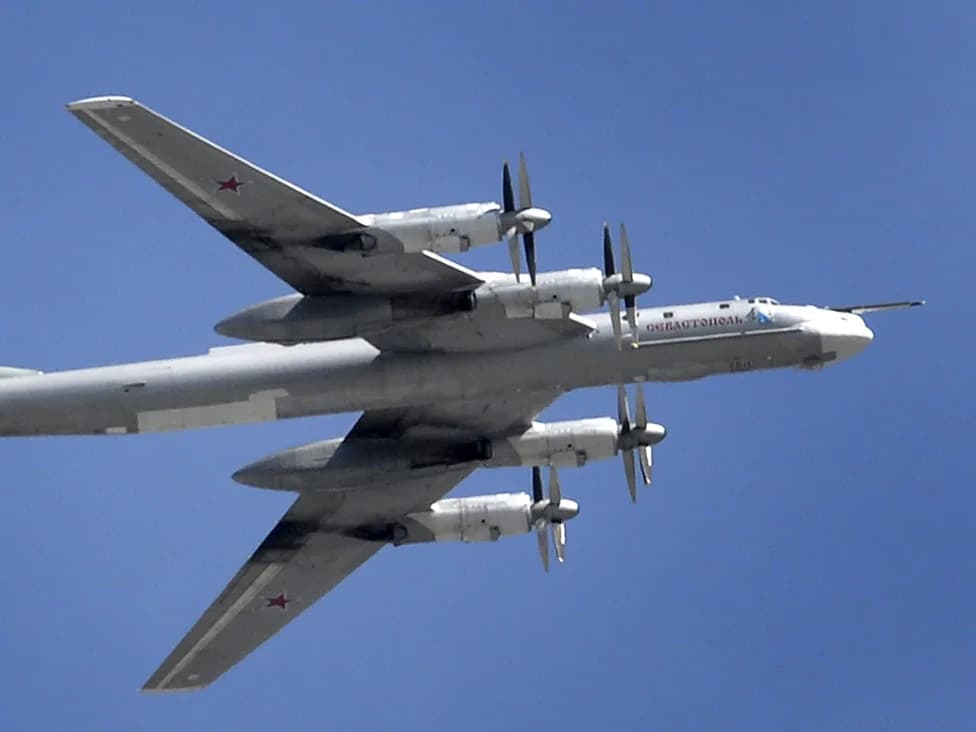
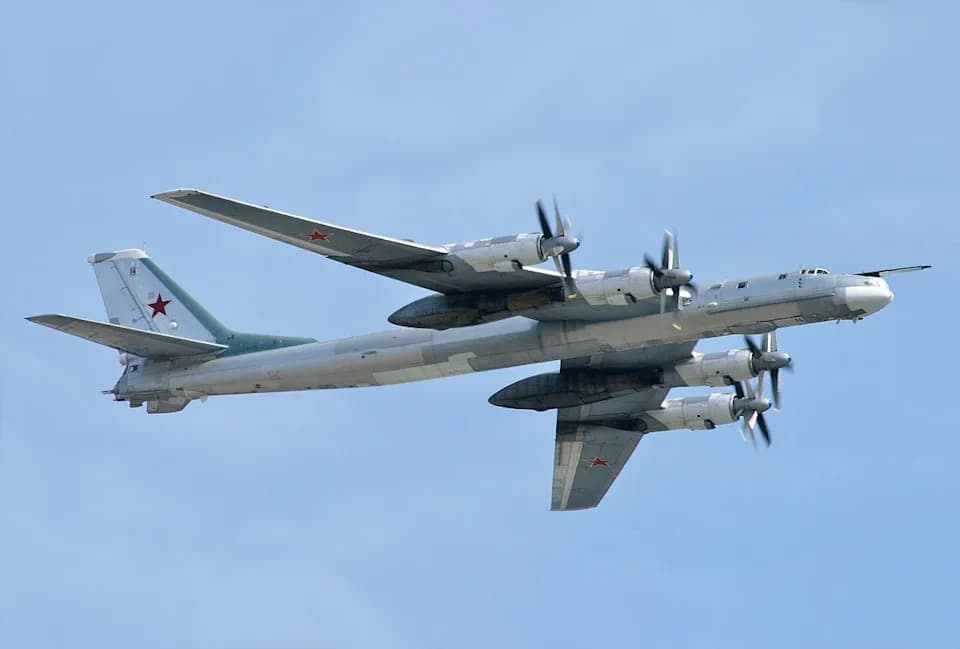
The aircraft identified in the imagery is a Tu-95MS — a Cold War–era swept-wing turboprop first flown in 1952 and powered by NK-12 engines, among the most powerful turboprops ever built. The Tu-95MS is a primary carrier of Kh-101 cruise missiles and in modernised Tu-95MSM form can be equipped with additional engines, avionics and external pylons to carry up to eight external missiles, including the nuclear-capable Kh-102 (which has not been used in combat).
Strategic and Psychological Impact
With only about 60 Tu-95 airframes believed to remain in service and at least ten photo-confirmed losses since the full-scale invasion began in 2022, the loss of a Tu-95MS is significant. The bomber is effectively irreplaceable: the original production infrastructure no longer exists, and the planned PAK DA replacement remains largely on paper. Beyond the immediate operational effect—fewer long-range missile launches available to Russia—the strike has symbolic value, demonstrating Ukraine’s ability to strike deep and target well-defended bases.
Limitations And Likely Russian Responses
That said, the destruction of a single bomber will not end Russia’s long-range strike campaign. Moscow has fired cruise missile salvos before and will likely continue to do so. Expect Russian countermeasures to include further hardening of hangars and airfields, deployment of decoy aircraft, expanded electronic jamming and improved air defences to blunt future drone operations.
Context
Ukraine has publicised the financial and humanitarian rationale for the strike: fewer operational Tu-95s means fewer missiles launched at Ukrainian cities. The strike follows a series of targeted actions—such as Operation Spiderweb—that have increased attrition of Russian strategic aviation and raised the operational cost of remaining sorties.
Translated SBU Message (Telegram): "The SBU systematically destroys important elements of the Russian military machine. Each liquidated strategic bomber means dozens of unlaunched missiles over Ukrainian cities, saved Ukrainian lives, and tens of millions of dollars in irretrievable losses for the enemy. Russian strategic aviation can no longer feel safe even at its most remote military airfields."
Independent satellite confirmation does not remove all uncertainty—analysts will continue to scrutinise imagery and other evidence—but the published photos represent a strong validation of Kyiv's claim and underscore how tactical strikes can produce strategic effects in a long-range conflict.
Help us improve.