Six crew members died when a Tu-95 strategic bomber crashed during a training flight in Russia's Amur region; a seventh crew member survived and was hospitalized. The aircraft made an emergency landing near Krasnoyarovo after departing Ukrainka air base and was not carrying ammunition. Because Tu-95 production ceased after the Soviet era, each loss is difficult to replace and further strains Russia's long-range strike capability.
Russia Loses Irreplaceable Tu-95 Bomber in Fatal Training Crash
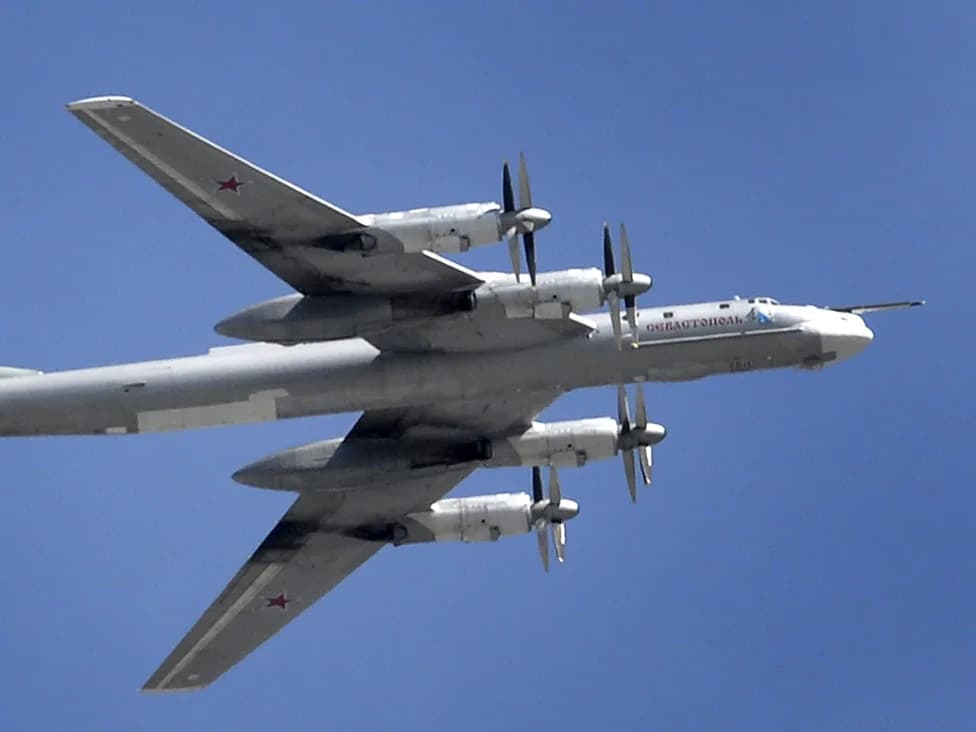
Russia lost one of its irreplaceable Tu-95 nuclear-capable bombers in a deadly training crash
Russian authorities said a Tu-95 strategic bomber crashed during a training flight in the Amur region on Tuesday, killing six crew members and seriously reducing an already stretched element of Moscow's long-range strike force.
What Happened
The Defense Ministry reported the aircraft made an emergency landing near Krasnoyarovo shortly after departing Ukrainka air base. Officials said the crew steered the plane away from residential areas. One crew member survived the initial accident and was hospitalized; the ministry confirmed the aircraft was not carrying ammunition. No official cause has been released.
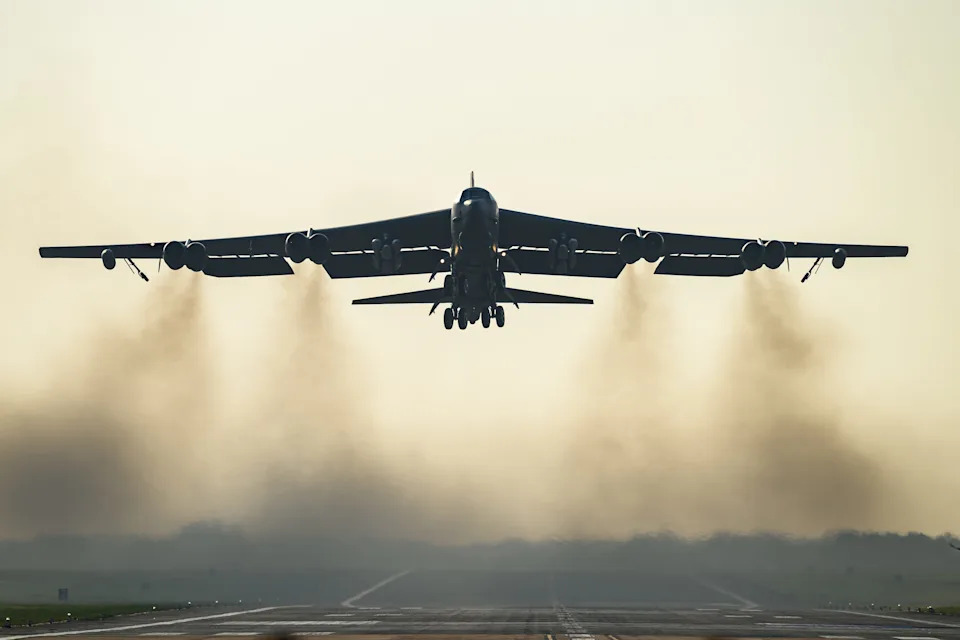
The B-52 Stratofortress forms the backbone of the US' nuclear bomber fleet.Leon Neal/Getty Images
Why This Matters
The Tu-95 (Tu-95MS) turboprop bomber is a core component of Russia's air-launched nuclear and long-range conventional strike capability. Production of the Tu-95 ended after the Soviet collapse when manufacturing facilities were dismantled, so each loss is difficult to replace. Russia is believed to possess about 47 Tu-95MS airframes, though Ukrainian intelligence estimated in August that combat losses, maintenance shortfalls and parts shortages have reduced the operational fleet to roughly 37–38 aircraft.
Context And Related Losses
In June 2025, Ukraine said a surprise drone operation called Operation Spiderweb damaged an estimated seven to eight Tu-95s at a Russian base. The Tu-95 can carry up to 16 nuclear or conventional cruise missiles and has a long unrefueled range (commonly cited around 9,300 miles), enabling strikes from well beyond front lines.
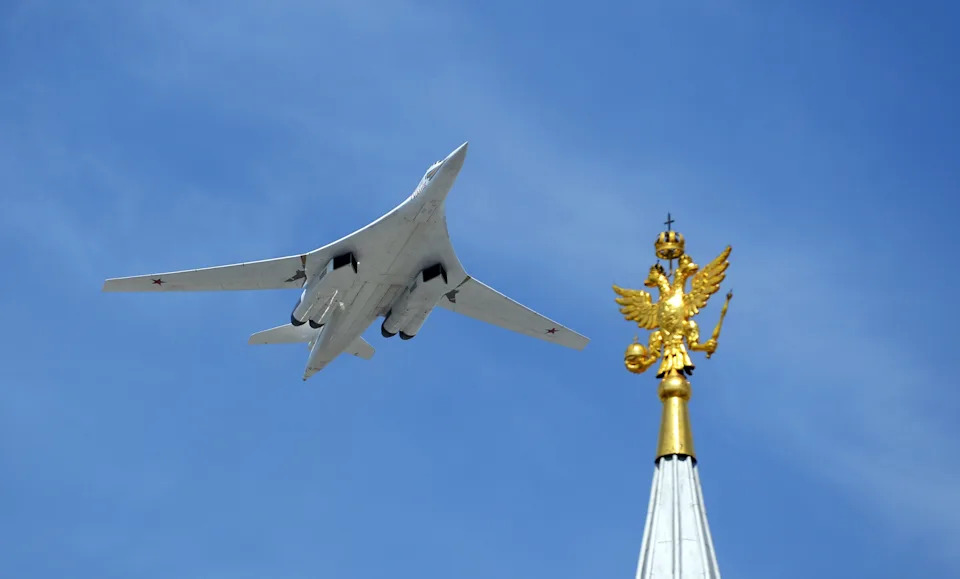
The Tu-160 is Russia's modern nuclear bomber.AFP via Getty Images
Moscow also fields Tu-160 and Tu-22M3 strategic bombers. Approximately 18 Tu-160s supplement the force, but deliveries from limited resumed production have been slow amid sanctions on high-end components; open-source analysts estimate about two-thirds of Tu-160s are currently grounded for maintenance or upgrades. The Tu-22M3 fleet has also suffered attrition: Russia listed roughly 41 at the start of the war, but attacks and accidents have reportedly reduced the number of flightworthy aircraft substantially.
Implications
With no new Tu-95s in production, losing another airframe further strains Russia's long-range nuclear and conventional strike posture. Officials have not provided details about the cause, and the Defense Ministry did not immediately respond to requests for additional comment.
Confirmed facts: Six crew members killed, one hospitalized; aircraft made an emergency landing near Krasnoyarovo after taking off from Ukrainka air base; plane was not armed; cause still under investigation.
Help us improve.