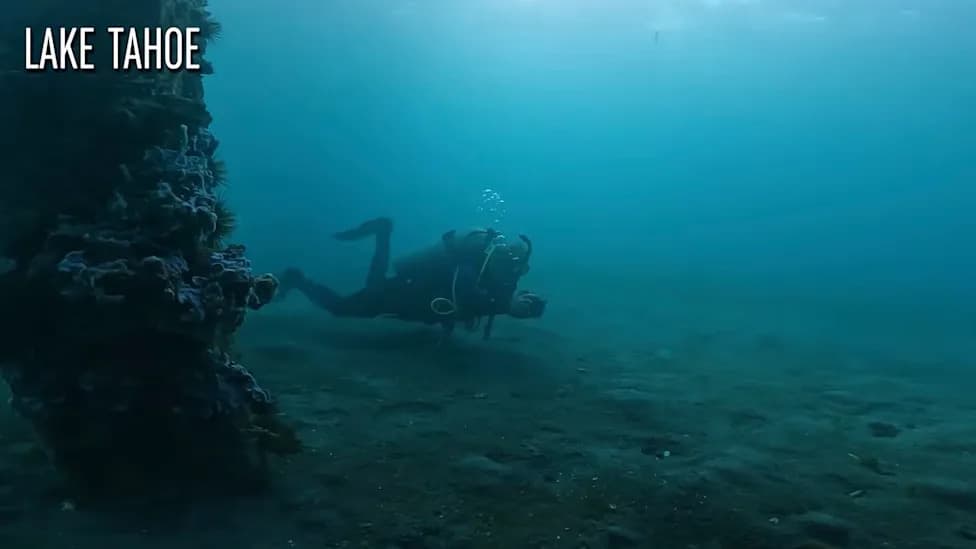
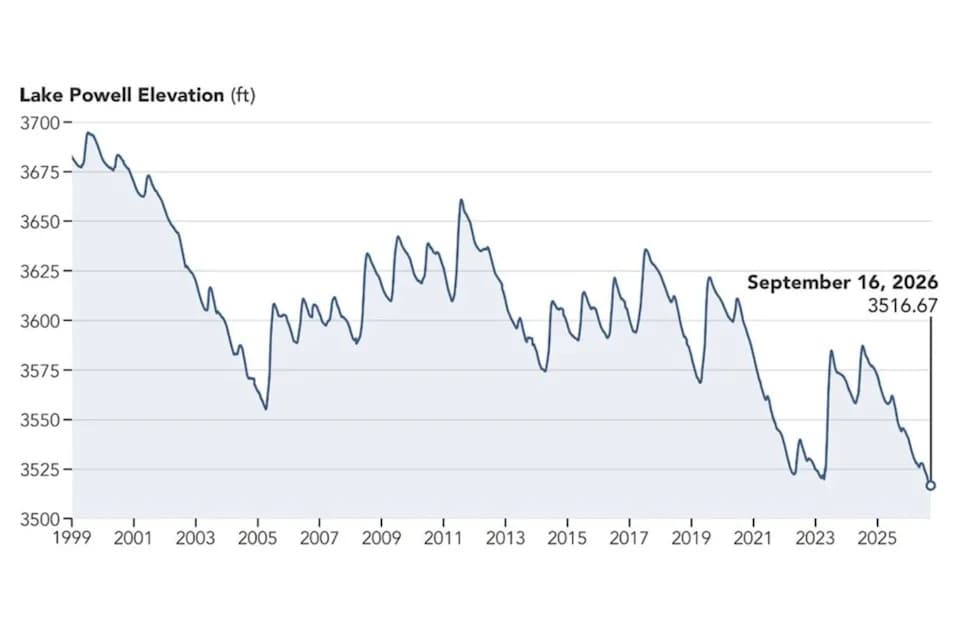
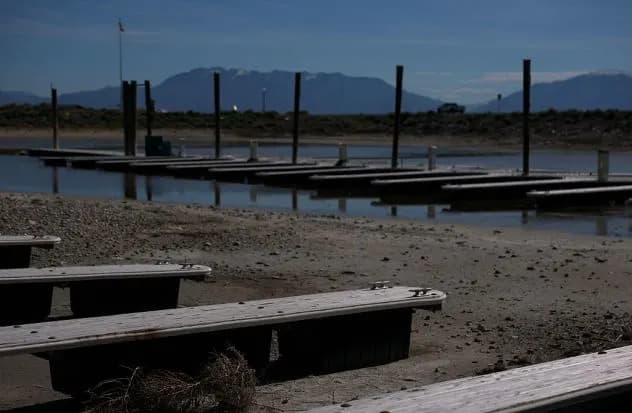
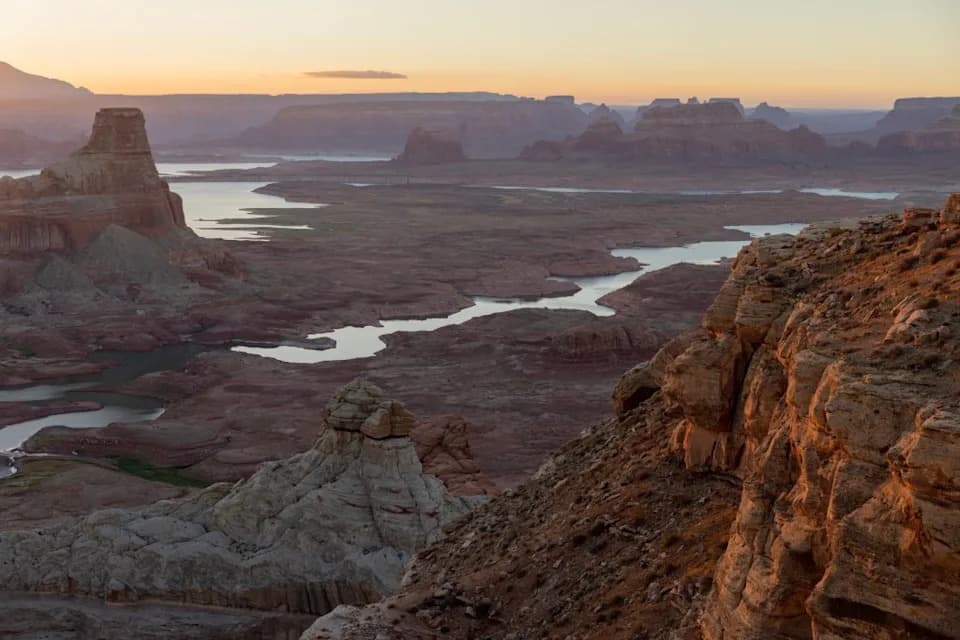
A TikTok by hiker Cristal Isa comparing July 2023 footage with video shot on July 19 this year shows Lake Blanche with roughly one quarter of its recent apparent size, exposing shoreline normally underwater. The post sparked mixed reactions: some viewers worry it signals persistent drought, while others note seasonal late-summer drawdown. Experts caution a single clip doesn’t explain all causes but stress that sustained low snowpack and precipitation can strain ecosystems, raise wildfire risk, and harm local economies. Practical responses include household water conservation, infrastructure upgrades, and checking trail and wildfire conditions before hiking.
Utah Hiker’s TikTok Shows Lake Blanche Shrunk to About One Quarter — A Stark Sign of Regional Drought
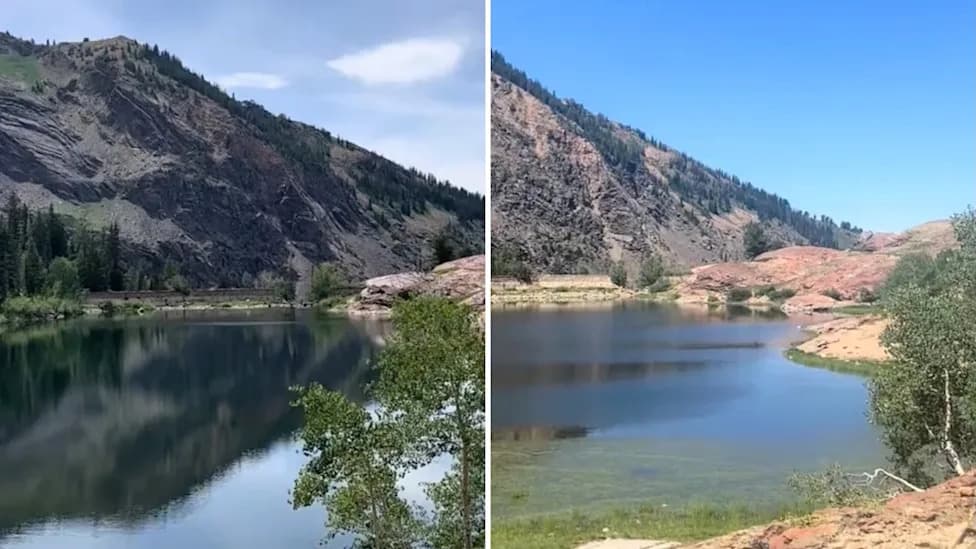
Photo Credit: TikTok
A popular alpine destination near Salt Lake City, Lake Blanche, drew renewed attention after hiker Cristal Isa (@cristalisaa) posted a TikTok comparing footage from July 23, 2023, with new video taken on July 19 this year. The newer clips show much of the lakebed exposed and the waterline pulled back, prompting concern from viewers about drought and long-term water supply trends in the region.
What the Video Shows
The side-by-side footage makes the decline in water level easy to see: shoreline normally submerged is now exposed, and Isa’s caption summed up the reaction:
"Was not expecting to see Lake Blanche with a quarter of her lake left :((. But yeah pray for rain ig."
Public Response
Comments on the post mixed alarm with context. Some viewers tied the scenes to a persistent lack of precipitation across Utah, arguing that the state has not seen strong snowfall or rainfall since 2022. Others said late-summer drawdown at Lake Blanche is a recurring seasonal pattern and that 2022’s heavy snow made recent years look comparatively worse.
Broader Impacts
Lower water levels in lakes, streams, and reservoirs affect more than scenery: they can stress ecosystems, limit recreation access, reduce water available for communities and agriculture, and raise wildfire risk by drying vegetation. Prolonged low runoff and snowpack can also harm local economies that depend on tourism and irrigation.
Regional Context
Lake Blanche has become a visible example of pressures facing Utah, a state coping with long-term drought punctuated by occasional relief. Reporting and water-monitoring agencies have highlighted a notably low snowpack in winter 2025–26, an indicator that could limit runoff and water supplies in the coming seasons.
What Can Be Done
Observers caution that a single hiker’s video cannot explain every local factor affecting lake levels. Still, practical steps at household and community scales can reduce stress on supplies:
- Fix household leaks, install water-efficient fixtures, and water landscapes more efficiently.
- Choose drought-tolerant plants and follow seasonal watering restrictions.
- Support conservation programs and investments in water infrastructure and storage.
- For visitors: check current trail, lake, and wildfire conditions before heading out, and be aware that dry landscapes and fire danger can change quickly.
Individual actions alone won’t solve a regional drought, but they can lower household costs and help ease pressure on community systems while decision-makers plan longer-term solutions.
Help us improve.