Three short columns cover: (1) a critique of the Democratic Socialists of America’s new platform and electoral gains, arguing some proposals could prompt rapid institutional change; (2) investor Sarah Guo’s caution that big AI labs can’t easily replace specialist startups in complex, regulated fields like healthcare; and (3) a California voting scandal in which a dog’s ballot was counted before the perpetrator was caught, raising questions about detection speed and safeguards. Each piece weighs practical consequences over abstract debates.
Voting Dogs, 'Harmless' Socialists, and the Limits of AI

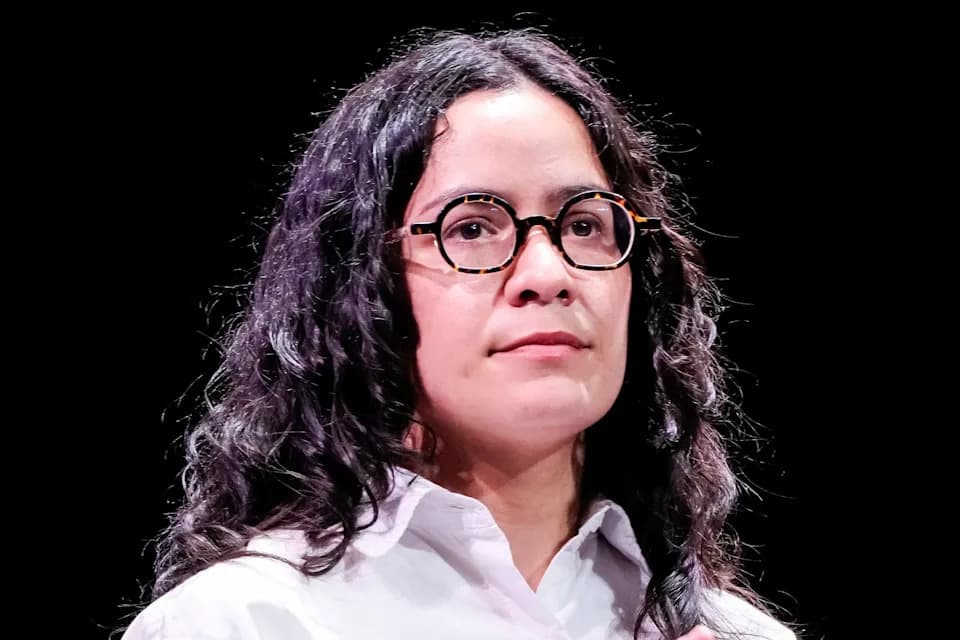
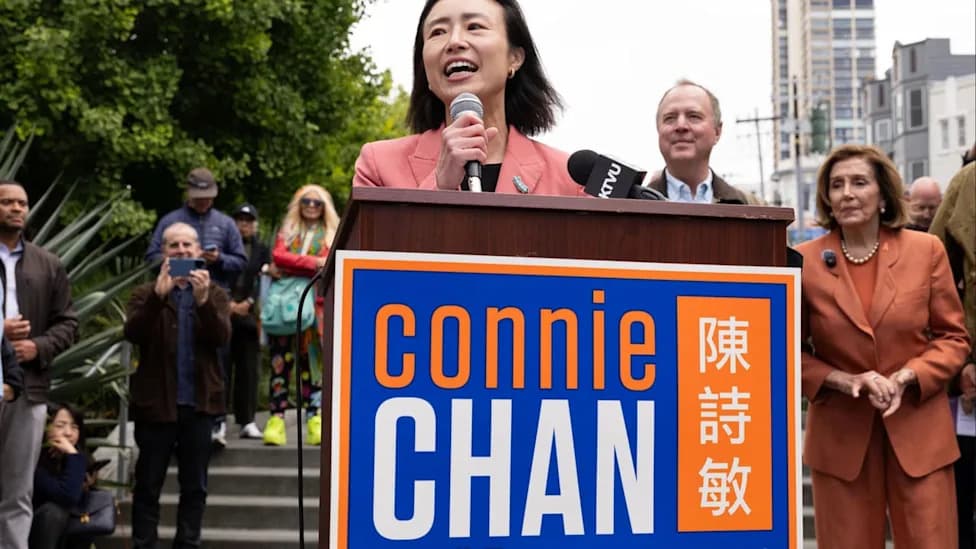
An image collage containing 2 images, Image 1 shows L.A. City Council Member Eunisses Hernandez speaks at a press conference, with people holding
Three concise columns examine recent debates about the Democratic Socialists of America, limits to AI-driven automation, and an odd California voting scandal involving a dog. Below are edited, clearer versions of each short take with context and factual clarity.
1. “Make Peace With the Communist Lunatics” – NYT (By Evan Milenko)
Last week the Democratic Socialists of America (DSA) published a new platform under the slogan "Workers Deserve More!" The platform includes proposals such as abolishing ICE and the U.S. Senate, defunding police and what the group calls the "Department of War," and expanding voting rights to noncitizens and incarcerated people. The organization also celebrated a strong showing this cycle: 35 DSA-endorsed candidates won their primaries.
The author argues these proposals, combined with talk of "transforming society" and "drafting a new constitution," are more than harmless rhetoric and could produce rapid institutional change. A recent New York Times op-ed urged Democrats not to purge DSA members from the party, warning that intraparty fights over capitalism and socialism are abstract. Milenko responds that some ideological "abstractions" translate quickly into concrete policy shifts, and that sweeping proposals to dismantle core institutions merit close scrutiny.

DSA member Eunisses Hernandez serves on the Los Angeles City Council representing District 1. REUTERS
Context: DSA is an influential progressive organization within the U.S. left; its platform and local electoral gains have prompted debate across the Democratic coalition about strategy, ideology, and electability.
Photo caption: DSA member Eunisses Hernandez serves on the Los Angeles City Council representing District 1 (Reuters).
2. We Can't Literally Automate Everything (By Blake Dodge)
Investor Sarah Guo — who predicted the AI boom and backed many AI startups — now sounds cautious about the industry's next phase. Her view: large AI labs initially licensed models to others so those customers could build applications. Recently, however, many of those labs have tried to move up the stack and own entire industries, from healthcare to legal services.
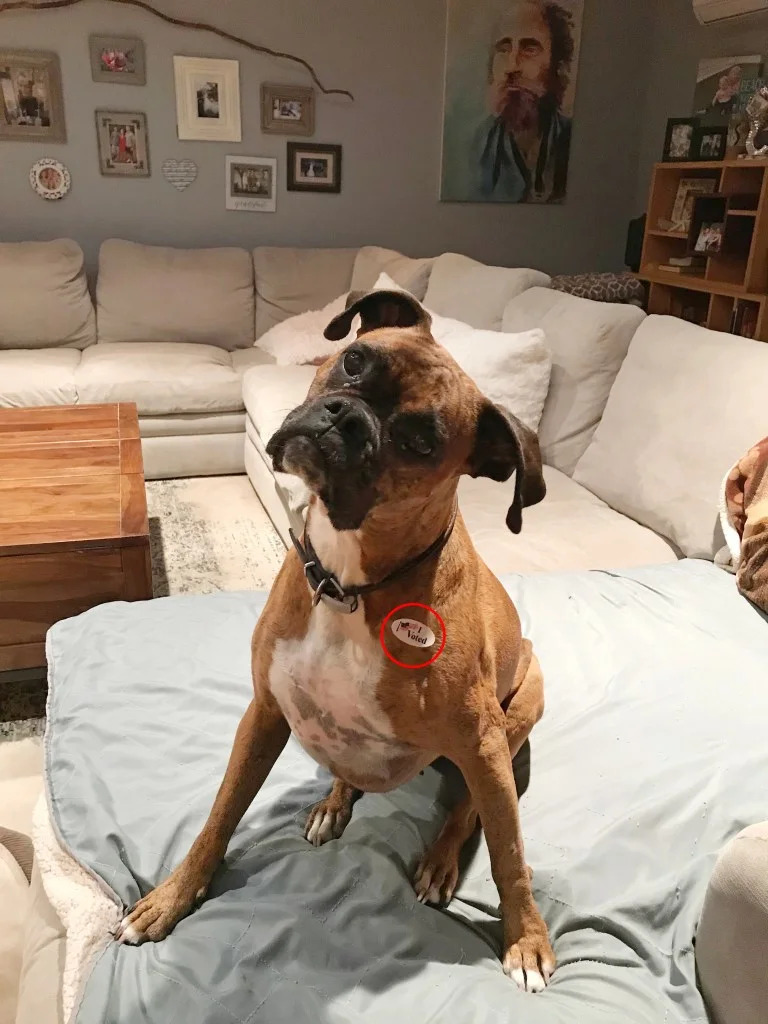
An Orange County woman registered her boxer Maya to vote during the 2020 election. Laura Yourex
Guo argues that megacompanies trying to replace specialist startups will struggle because regulated, relationship-driven sectors rely on trust, domain expertise, compliance, and human judgment. Healthcare shows how regulations, unions, privacy rules, and institutional practices limit how quickly AI alone can displace specialists. The takeaway: niche startups that understand industry workflows and regulatory environments may retain an edge over one-size-fits-all model providers.
Photo caption: An Orange County woman once registered her boxer, Maya, to vote during the 2020 election (photo credit: Laura Yourex).
3. Hey, MAGA — Get Your Paws Off Our Democracy (By Riley Nork)
Republicans have highlighted a strange voting incident in California — an Orange County woman registered her dog, Maya, to vote in 2020 — to argue for stricter election rules. The San Francisco Chronicle ran a fact-check noting the woman was eventually prosecuted, and officials say the system ultimately detected and punished the fraud.
However, critics point out a troubling detail: the dog’s ballot was counted in the election before authorities caught the fraud. That sequence shows how a bad actor can affect a result before detection and correction, which opponents of the incident say undercuts arguments that the process is sufficiently robust without additional safeguards.
Bottom line: The incident is an unusual example that invites discussion about election integrity, the speed of fraud detection, and whether additional preventive measures (like targeted audits or process improvements) are needed rather than broad reforms that could restrict access.
Help us improve.