The Ebola outbreak in the Democratic Republic of Congo is being worsened by repeated attacks on medical teams and treatment centers driven by fear, cultural conflict over burials and mistrust of health services. The epidemic—caused by the Bundibugyo strain—has 2,473 confirmed cases and 999 deaths since May and has spread across five provinces and into Uganda. Experts say urgent, sustained community engagement, protection for health workers and full funding of response operations are essential to stop further spread.
Angry Mobs Target Health Workers in DRC — How Violence Is Fueling the Ebola Crisis
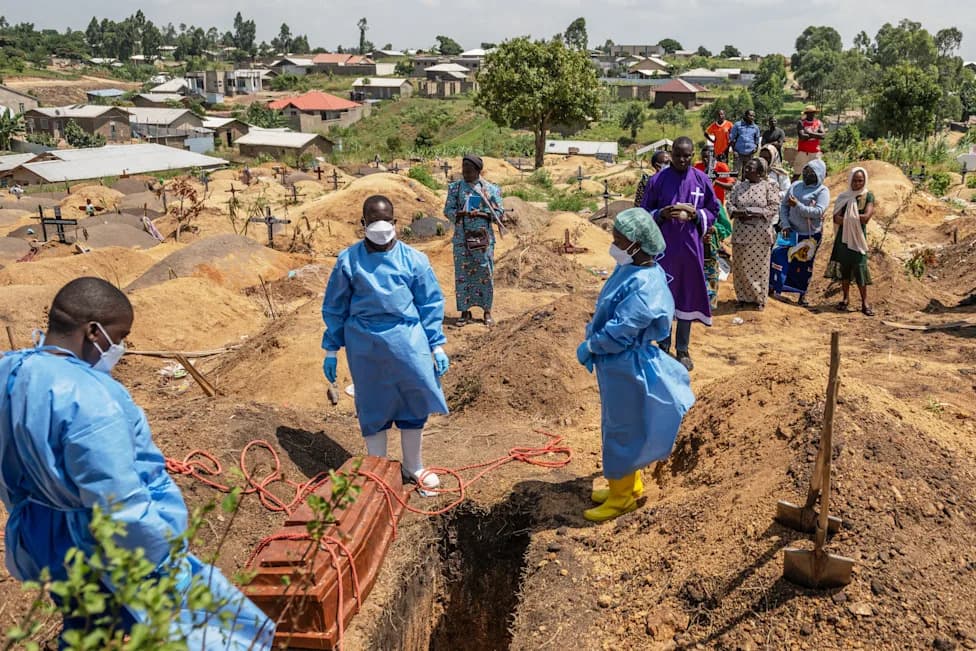
Red Cross workers prepare to bury Vanisa Anifa, a 6-month-old who died of Ebola, at the Bigo Cemetery, in Bunia, Congo, on June 19, 2026. —Moses Sawasawa—AP
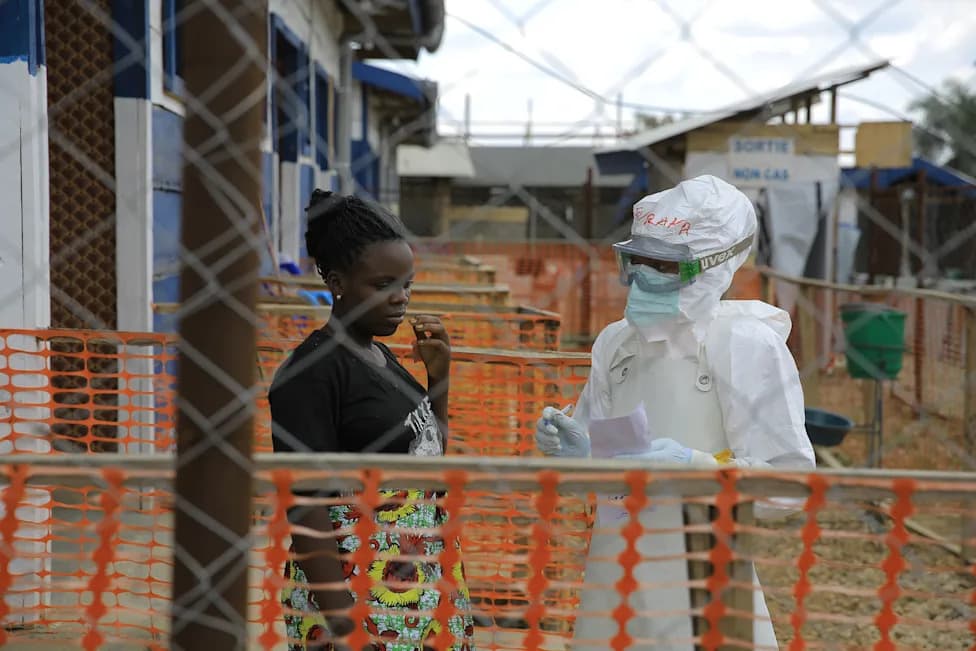
As the Democratic Republic of Congo’s latest Ebola outbreak intensifies, dozens of attacks on treatment centers, burial teams and response staff have been reported, undermining containment efforts and endangering both responders and patients. Fear, cultural misunderstandings about burial rites and deep mistrust of the health system have driven angry crowds to confront medical teams—often with violent consequences.
Attacks, Displacement and Risk
On July 15, relatives and other community members stormed Nyakunde Hospital in Ituri province, throwing stones and damaging the facility’s perimeter fence, Reuters reported. Ituri remains the epicenter of the outbreak, accounting for roughly 90% of cases. Local health workers say teams have fled remote areas and sought refuge in Bunia, the provincial capital, because frontline personnel feel unsafe.
“Many of the attacks have been carried out by angry mobs who have stormed treatment centers or targeted response teams in the field,” said Dr. Pierre Akilimali, incident manager for the Ebola response at the National Public Health Institute of the DRC.
Why These Attacks Happen
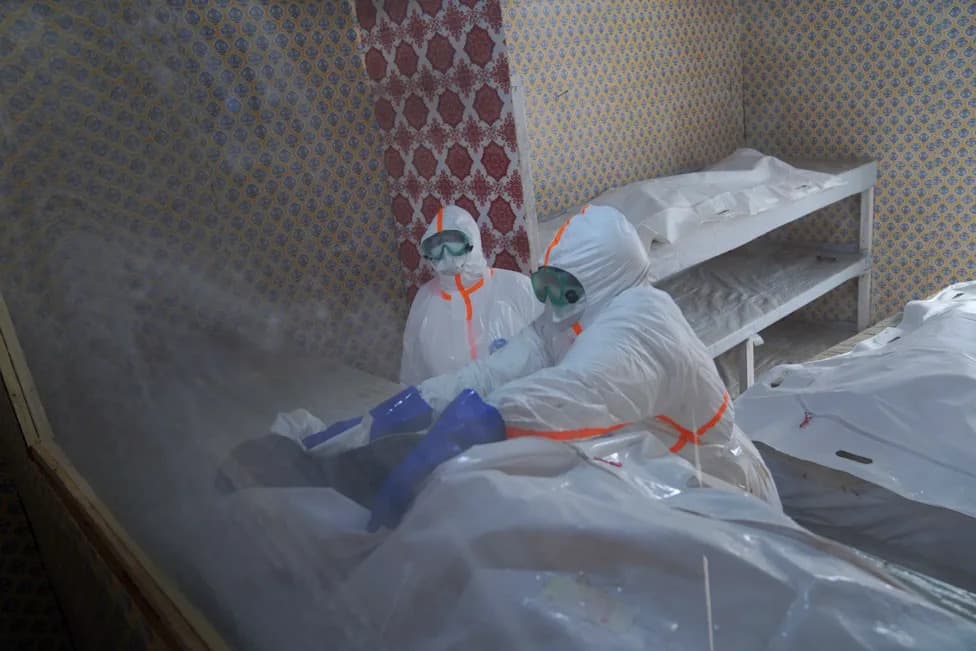
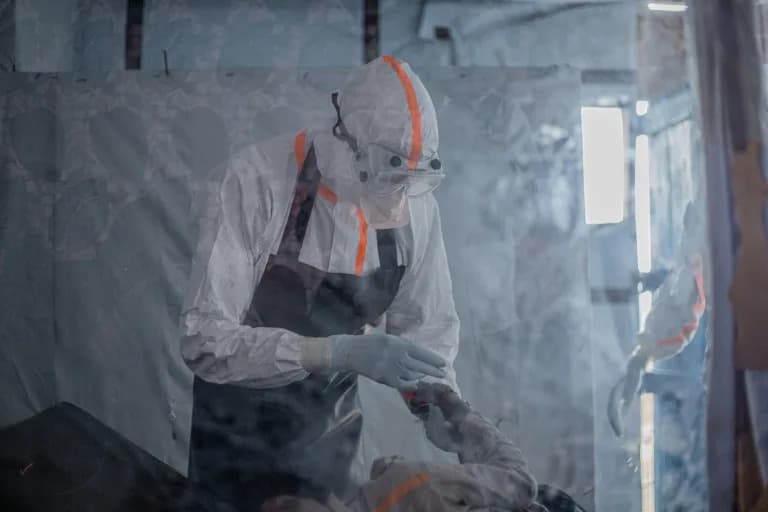
Burial practices, a weak and sometimes distant health system, and misinformation help explain local hostility. Families often want to wash and prepare bodies according to tradition, but bodies of Ebola victims are highly contagious and require strict "safe and dignified burial" protocols. When those protocols clash with cultural rites—and when communities don’t understand the supportive care available—mistrust grows.
Abdou Sebushishe of International Medical Corps said communities become suspicious when well-resourced external teams arrive to fight a single disease while local systems remain underfunded. Early outreach that failed to emphasize supportive care in isolation units contributed to misunderstanding and resistance.
The Scale Of The Outbreak
The outbreak is caused by the Bundibugyo ebolavirus, a less common strain for which there is currently no approved vaccine or specific antiviral. According to DRC government figures, there have been 2,473 confirmed cases since the crisis began in May and 999 deaths in under 10 weeks—making this the third-largest Ebola outbreak on record. The epidemic now spans five provinces (Ituri, North Kivu, South Kivu, Tshopo and Haut Uele) and has crossed borders: Uganda reported 20 confirmed cases as of July 20, and one case was detected in France in June in a returning doctor.
Impact On Response Capacity
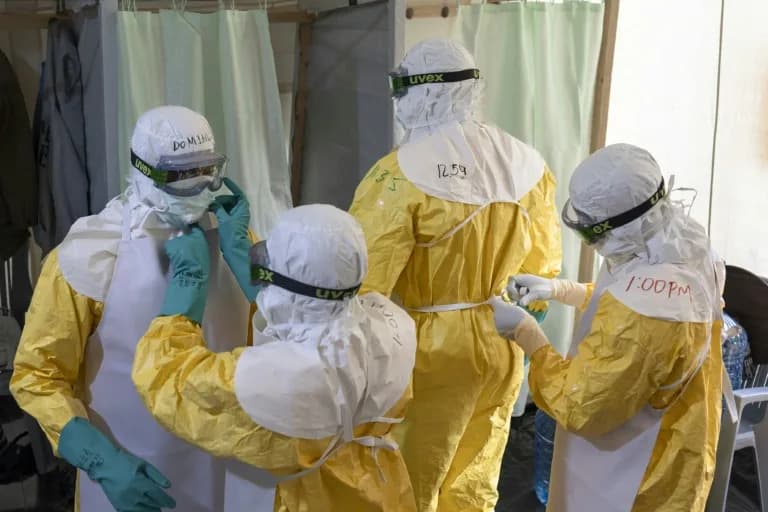
Violence and fear hinder surveillance, delay deployments and reduce care-seeking. Response teams now often travel under security escort or in marked-down vehicles to avoid attacks. Administrative problems—such as strikes by care providers at Bunia General Hospital over poor working conditions, shortages of protective equipment and delayed stipend payments—have further interrupted services. Even short interruptions in care and surveillance can accelerate transmission.
At least 36 health workers in the DRC have been infected and died since May, underscoring the personal risks faced by responders. Funding shortfalls compound the problem: the World Health Organization reported it had received roughly 40% of the $115 million it said was needed to combat the outbreak.
Path Forward: Community Engagement and Funding
Health experts stress that sustained, respectful community engagement is essential. Successful approaches include involving local leaders from the planning stage, allowing communities to shape burial procedures when possible, explaining the goals and benefits of isolation and supportive care, and training residents to spot symptoms, use thermometers and maintain basic hygiene stations.
“The key for this outbreak to end is proper community engagement,” said Sebushishe, who described success in places like Kigonze Camp after leaders were invited to participate in planning and communication. Without trust, containment efforts falter—and the virus can spread beyond borders.
What’s needed now: stronger protection for frontline staff, fully funded response operations, and intensive, culturally sensitive outreach to restore trust and cooperation in affected communities.
Help us improve.