Senate and House Democrats have opened an inquiry into a June Office of Legal Counsel opinion that critics say could let states keep people with mental illness in institutions instead of funding community-based care. The lawmakers asked Acting Deputy Attorney General Todd Blanche to rescind the memo and to disclose everyone involved in its drafting, including any White House participants. Civil rights experts say the opinion departs from the 1999 Olmstead v. L.C. ruling favoring community integration; Bloomberg Law reported Stephen Miller pressed for the change, which the White House and DOJ deny. Democrats lack the chamber control to compel documents by subpoena.
Democrats Open Probe Into DOJ Opinion That Could Make Institutionalization Easier
Democrats probe DOJ opinion that eases institutionalization of mentally ill
Senate and House Democrats on Wednesday launched a formal congressional inquiry into a June legal opinion from the Justice Department's Office of Legal Counsel (OLC) that critics say would make it easier for states to keep people with mental illness in institutions instead of funding community-based care.
In a letter to Acting Deputy Attorney General Todd Blanche, the lawmakers asked the department to rescind the OLC opinion and to disclose everyone who participated in drafting, reviewing or advising on the memo — beyond its listed author, Principal Deputy Assistant Attorney General Lanora Pettit.
"For more than 50 years, federal civil rights laws have recognized that unnecessary segregation and institutionalization constitute discrimination," the members wrote to Blanche.
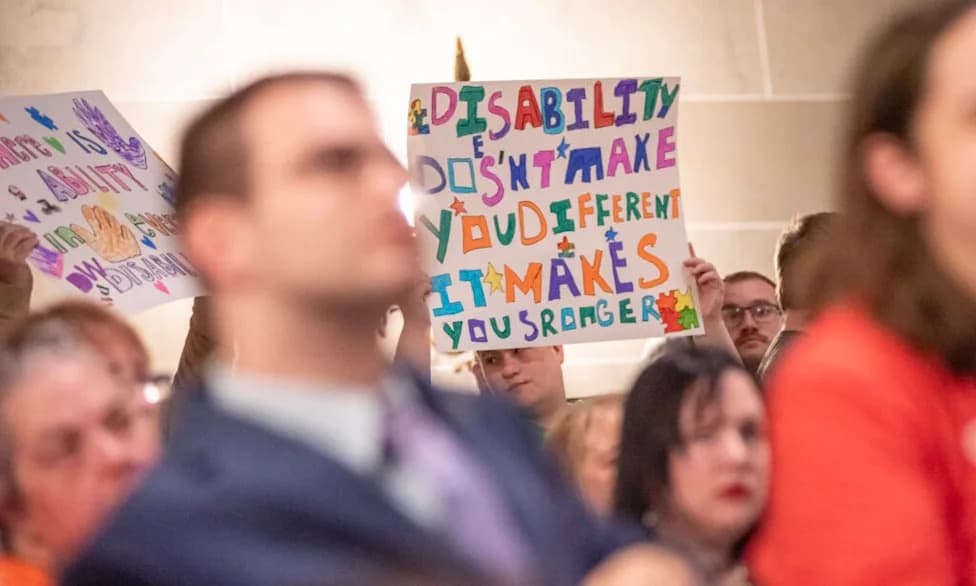
"The consequences of weakening the integration mandate would be profound. Millions of Americans with disabilities rely on home and community-based services to be with their families, maintain employment, pursue education, and participate in civic life."
The letter was signed by 100 House and Senate Democrats, including Senators Dick Durbin, Tammy Duckworth, Bernie Sanders, Ron Wyden, Chuck Schumer, Sheldon Whitehouse, Elizabeth Warren and Chris Van Hollen, along with Representatives Mary Gay Scanlon, Debbie Dingell and Lateefah Simon.
What the OLC Opinion Says and Why It Matters
The June OLC memo concluded that states are not legally required to provide community- or home-based care to integrate mentally disabled patients with their peers. That interpretation revisits the 1999 Supreme Court ruling in Olmstead v. L.C., which established that unnecessary institutionalization of people with disabilities can violate federal civil-rights law and that, when appropriate, community-based services should be provided.
Civil rights experts have criticized the OLC opinion as a departure from longstanding precedent; while the memo itself is not legally binding and does not set judicial precedent, it could influence how federal agencies — including the Justice Department and the Department of Health and Human Services — enforce anti-discrimination laws involving state-funded care.
Allegations of Political Influence
Bloomberg Law reported that White House adviser Stephen Miller pushed for the change, reportedly objecting to settlements that required states to release people with mental illness from institutions because he feared an increase in homelessness. The White House and the Justice Department have denied Miller had a role in the memo.
Democratic lawmakers asked the department to identify all internal and external participants — including White House officials, political appointees and outside groups — and specifically whether outside firms or organizations that have advocated criminalizing homelessness provided legal analysis or briefing materials used by OLC.
Next Steps and Limits
The Justice Department confirmed receipt of the Democrats' letter and said it is "ensuring the appropriate personnel within the Department are reviewing it carefully." Because Democrats do not control either chamber of Congress, their request is not enforceable by subpoena at this time, limiting their ability to compel testimony or documents.
The inquiry highlights a broader debate over the federal government's role in enforcing disability rights and the continued relevance of the Olmstead decision to the delivery of mental-health and social services.
Help us improve.