The author recounts irritation at the World Cup final and then encountering a glossy BBC promotional ad that felt tone-deaf and self-congratulatory. The piece argues the BBC has alienated some viewers through perceived editorial missteps and cultural shifts in programming, citing controversies over news editing, senior resignations and complaints about identity-driven storylines. While the BBC still produces excellent shows, the author suggests the corporation must answer public concerns if it wants to retain licence-fee trust.
I Miss the BBC That Enriched Our Lives — Has It Lost Its Way?
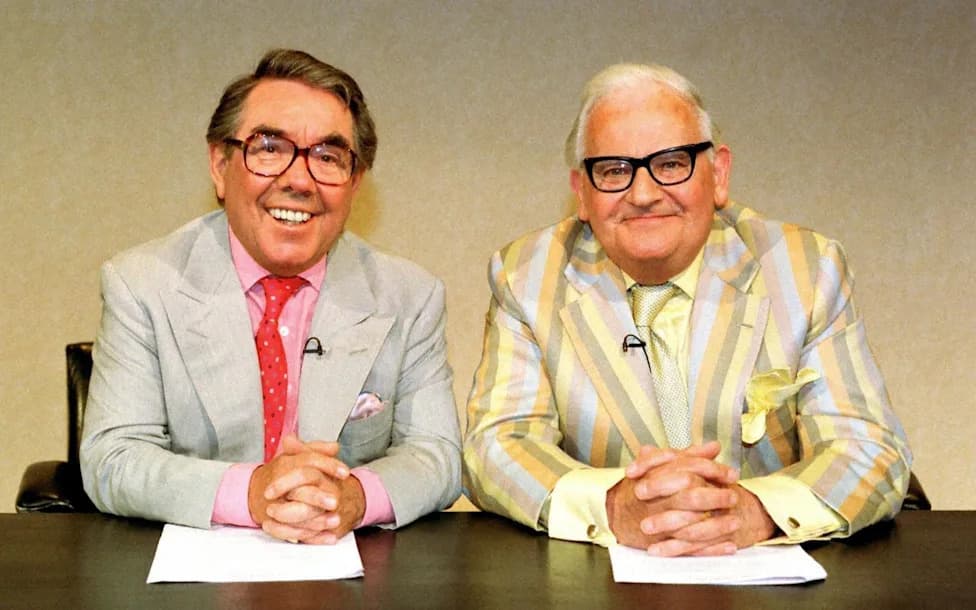
Two Ronnies
Watching the World Cup final on Sunday left me irked for several reasons: Argentina's aggressive play, a referee who seemed permissive, and the thought of how England might have fared had they reached the final. Elliot Anderson, impressively stoical, was clattered repeatedly before receiving a yellow card — an example, to me, of a match that felt unfair and frustrating.
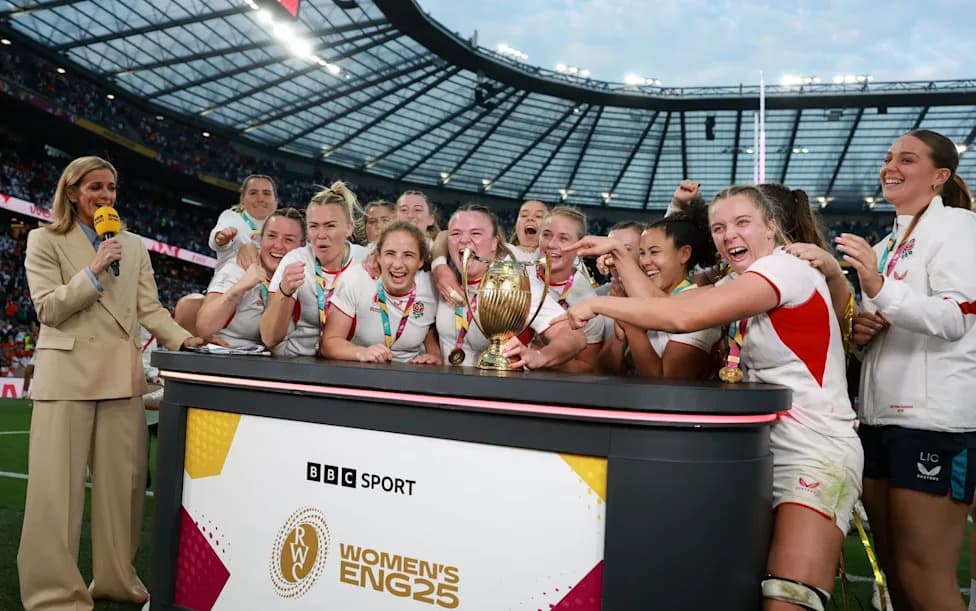
So I was already in a sour mood when, at half-time, the BBC aired a lavish, self-promotional film that played like a Hollywood production. Romesh Ranganathan appeared in a fictional pub asking, "What has the BBC ever done for me?" Chris Martin tinkled the piano and Alan Carr beamed behind a drum kit to the opening bars of the EastEnders theme — a parade of celebrity that felt more like a corporation applauding itself than a public broadcaster addressing its licence-fee payers.
The ad trotted out familiar BBC brands—The Traitors, Casualty, Mary Berry and Glastonbury—while celebrating the licence fee as if no questions should be asked about how the corporation spends public money. That lack of self-awareness extended into the advert's praise of BBC journalism, accompanied by the line:
"So what if they Verify news thoroughly?"
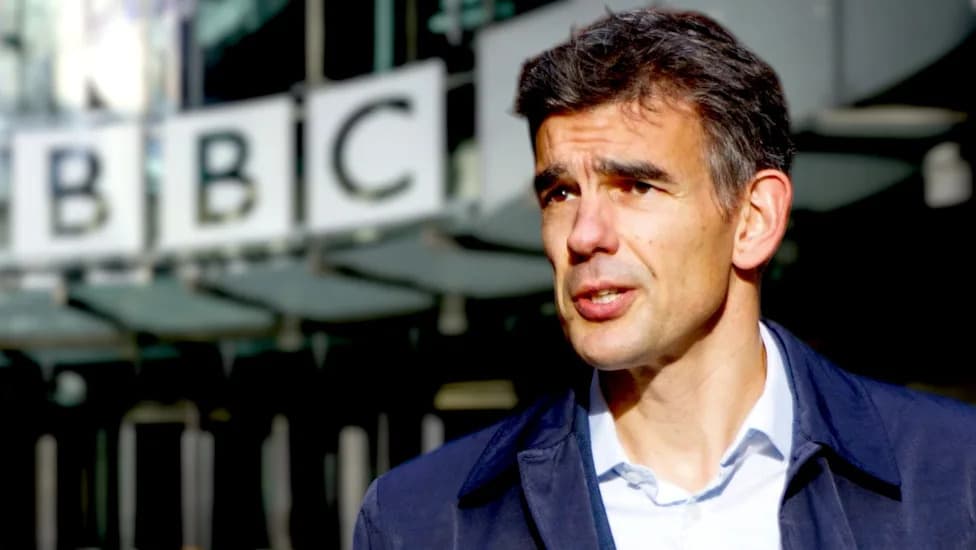
That boast rings hollow in light of recent controversies. Reporting in national outlets has alleged serious editorial failings at BBC News, including an instance where a speech excerpt was reportedly edited in a misleading way. The fallout led to senior resignations and a high-profile lawsuit; these developments were conspicuously absent from the glossy pageant.
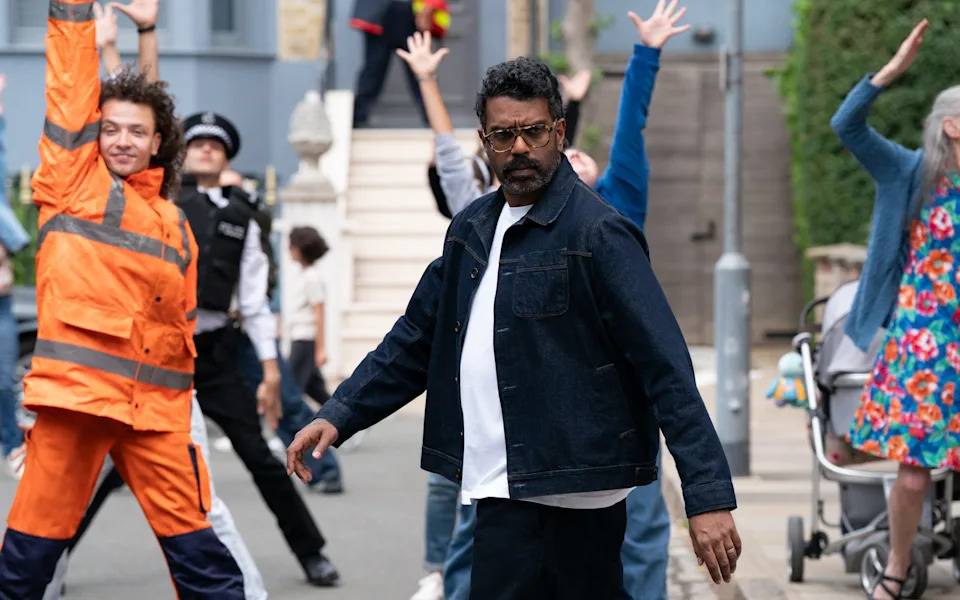
Romesh Ranganathan in a scene from the BBC's new all-singing, all-dancing advert - BBC
There are wider cultural complaints too. Longstanding shows such as Doctor Who, once celebrated for inventive storytelling in the eras of David Tennant and Christopher Eccleston, have increasingly been criticised by some viewers for foregrounding identity themes in ways that alienate a segment of the audience. For many, this reflects a broader shift in output and editorial priorities that feels less about broad entertainment and more about cultural signalling.
Other recurring critiques include perceived political bias in programme commissioning and coverage, concerns about audience selection on debate shows such as Question Time, and allegations of problematic reporting in some international services. A high-profile death was reported and framed in ways that some readers found inconsistent; critics say this highlighted an uneven approach to news selection and language.
These issues have consequences: roughly half a million people cancelled their TV licence in the past year, a tangible signal of public disquiet. At the same time, there are still standout BBC shows — Only Connect remains a weekly delight for many — but the central question endures: should a compulsory licence fee fund a broadcaster that some viewers feel no longer represents or entertains them?
Looking Back, Looking Forward
There is touching nostalgia for a 40-year-old BBC promotional film starring John Cleese that showcased household names such as David Attenborough, Terry Wogan and The Two Ronnies. That roll call reminded viewers of a period when a modest licence fee felt like excellent value. The modern advert, by contrast, felt inward-looking: a corporation celebrating itself rather than answering the public's questions.
If the BBC wishes to retain public trust, it should engage openly with criticism, be transparent about mistakes, and recommit to programming that feels wide-ranging, high-quality and accountable to all licence-fee payers.
Help us improve.