Residents across Pune have stepped up protests and legal petitions to prevent garbage depots and processing plants from being sited near homes and schools after a July landfill collapse at Moshi killed nine people. Community leaders warn of groundwater contamination, methane and disease vectors, and urge local processing of wet waste, which constitutes roughly 60% of household refuse. Municipal authorities cite the 2026 Solid Waste Management Rules and say they are fining noncompliant societies, but residents say bureaucratic delays have stalled meaningful change.
Deadly Moshi Landfill Collapse Sparks Pune Residents' Protests Against New Garbage Plants
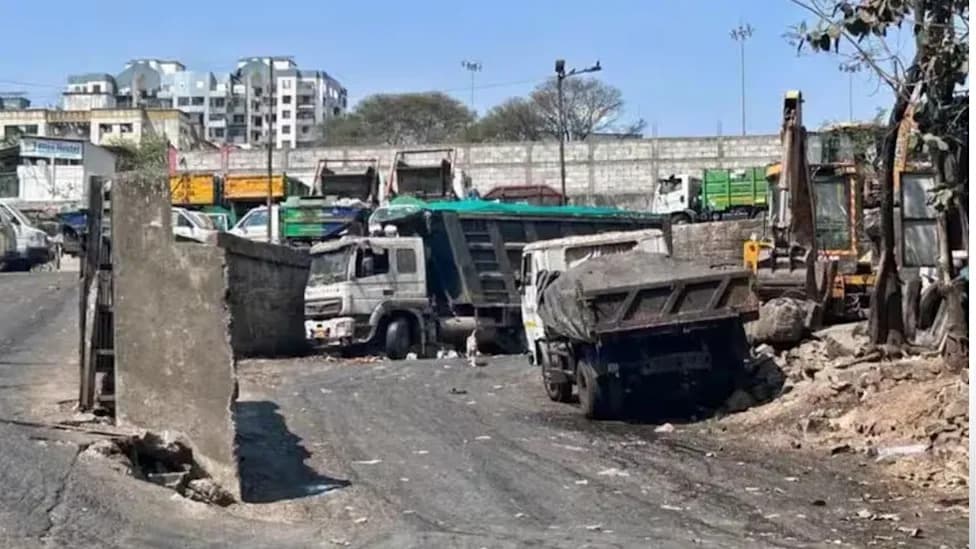
Image Credit: The Times of India.
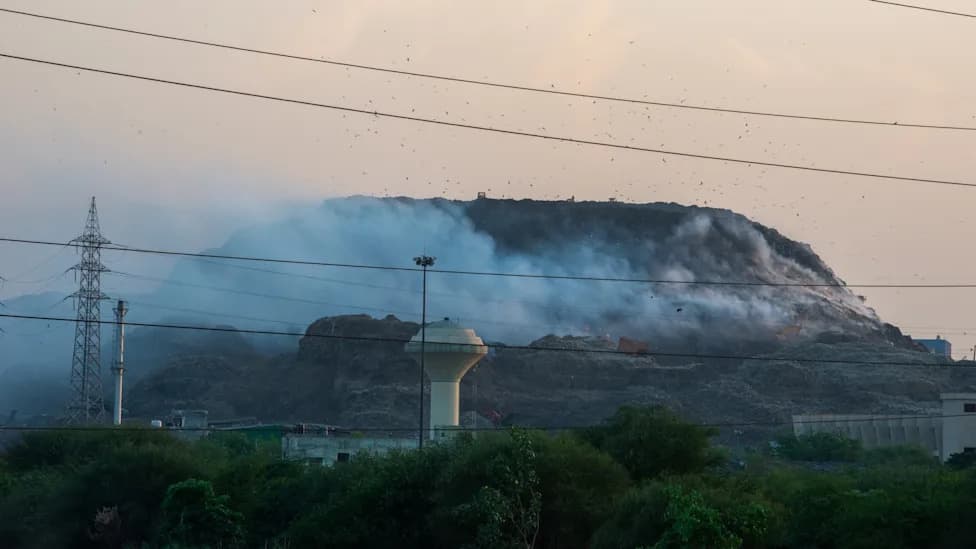
Residents across Pune are escalating protests and legal action to stop the siting of garbage depots and waste-processing plants in or near residential areas and schools, citing health, safety and environmental concerns. Their demands gained urgency after a deadly landslide of waste at the Moshi processing facility in July that killed nine people and injured several others.
What Happened
After two days of heavy rain in July, a slope of accumulated waste at the Moshi plant — which handles refuse from Pimpri Chinchwad — collapsed. The falling mass struck an administrative building roughly 100 feet away, causing the structure to fall and resulting in multiple fatalities and injuries.
Residents' Concerns
Community groups say proposed sites appear in local development plans on plots surrounded by homes and schools. Sunil Aiyer of the Mohammadwadi-Undri Residents Welfare Development Foundation warned that many families depend on groundwater and that tankers draw from local wells, increasing the risk that landfill leachate could contaminate drinking-water supplies. The foundation submitted a formal objection in November 2025 to municipal commissioner Naval Kishor Ram and state town planning assistant director Abhijit Ketkar.
The residents' letter listed several risks: exposure of children and the elderly to foul odors and toxic emissions; increased heavy-vehicle traffic; groundwater and soil contamination from leachate; fire risks from methane buildup; a rise in disease vectors such as insects and rodents; and declining property values. Foundation director Sunil Koloti emphasized that the group is "not opposing development" but wants the Pune Municipal Corporation (PMC) to relocate proposed plants away from densely populated neighborhoods.
Legal And Regulatory Context
A World Health Organization report released in December 2025 found that people living near dumpsites, poorly managed landfills and incinerators — as well as waste workers — face elevated health risks, underscoring the residents' concerns.
Public opposition has previously forced officials to drop facility plans in Bavdhan (2021) and Punawale (2025). In other neighborhoods where depots operate — including Kothrud, Sus and Camp — residents report persistent foul odors, leaking waste and on-site burning that produce noxious fumes. Near Magarpatta Industrial Estate, residents say mixed refuse is sometimes burned and collected waste is not processed daily as intended.
The Sus Road Baner Vikas Manch petitioned the National Green Tribunal (NGT) in 2019 to stop a nearby plant; the NGT ordered the PMC to relocate it in 2020. The PMC appealed and the Supreme Court quashed the tribunal's order in September 2024. In November 2025 the Supreme Court also dismissed a contempt petition filed by residents over ongoing odor and pollution.
Local Solutions And Challenges
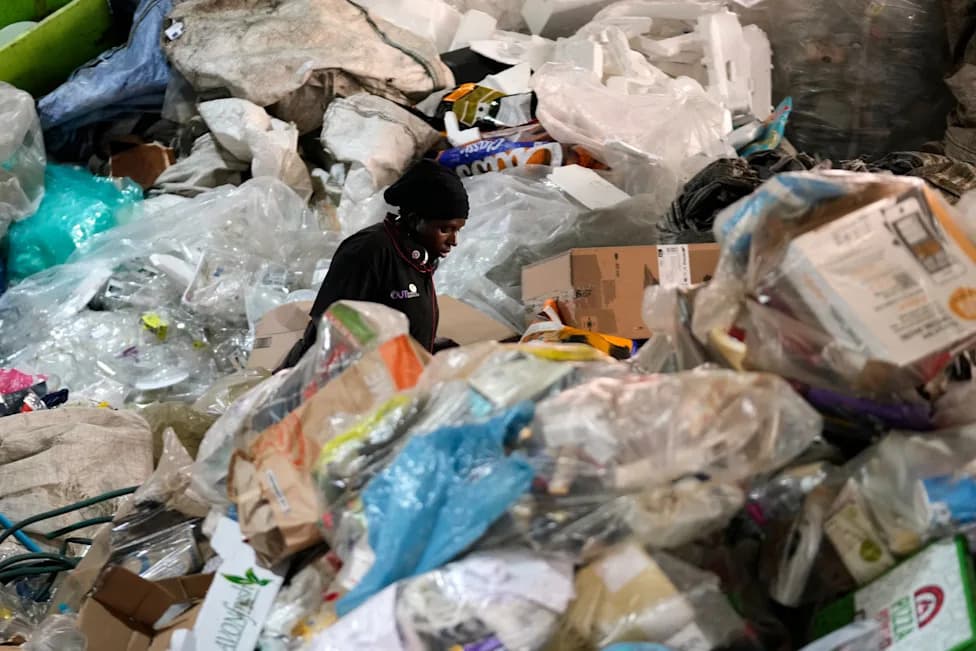
Advocates for decentralized processing point to the composition of household waste. Anil Gokarn, founder of Pune zero-waste firm ProEarth, says wet waste makes up 60% or more of city household refuse and that its high moisture content makes long-distance transport impractical. He argues wet waste should be managed within communities or wards rather than shipped to distant processing sites. Although regulations require bulk waste generators to treat wet waste on-site, compliance is inconsistent.
The Pune Municipal Corporation points to the 2026 Solid Waste Management Rules. Santosh Varule, PMC's deputy commissioner for solid waste management, said the rules require societies producing 100 kilograms or more of wet waste (about 220 pounds) to process it within their premises. He added that the corporation has fined many societies for noncompliance and is supporting groups that want to set up systems.
Despite regulations and occasional enforcement, residents say progress is slow and mired in bureaucracy, leaving communities to cope with odors, pollution and fears of future disasters like the Moshi collapse. Local activists call for stronger enforcement of on-site processing, transparent planning that keeps hazardous facilities away from homes and schools, and rapid remediation of existing sites.
WHO (Dec 2025): People living near poorly managed dumpsites, landfills and incinerators and waste workers are among those at highest health risk.
Help us improve.