Whitelee Windfarm near Glasgow will be rebuilt in a three-phase, £1.5 billion repowering project that replaces 215 older turbines with about 124 much taller machines, boosting capacity from 539 MW to roughly 1 GW — enough to power about 650,000 homes. A planning application has been lodged with the Scottish Government’s Energy Consents Unit and a full submission is expected by the end of next year, with operations targeted for 2035. The phased approach will keep the site open to visitors, recycle about 99% of materials and is part of a wider wave of repowering as UK wind farms reach end-of-life.
UK's Biggest Onshore Wind Farm to Be Rebuilt: Fewer, Much Taller Turbines Will Double Output
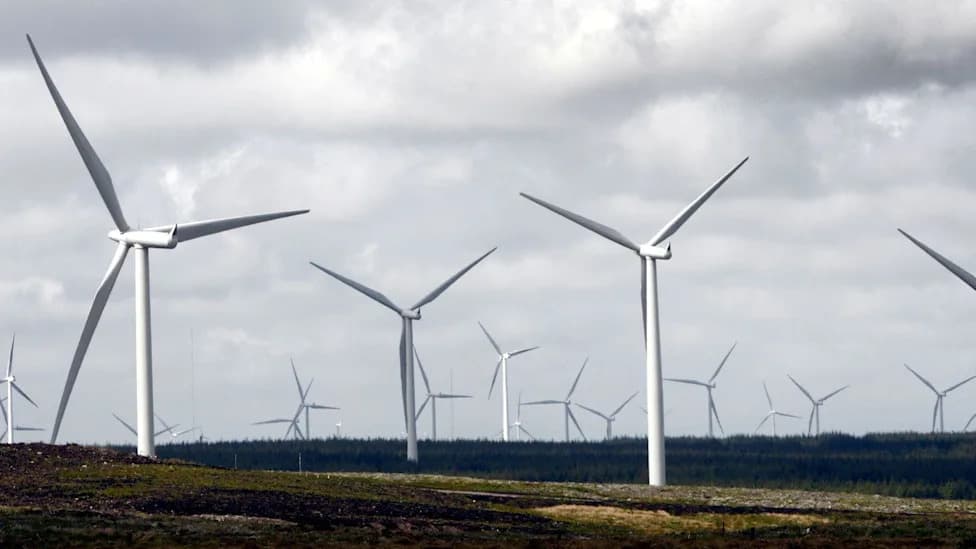
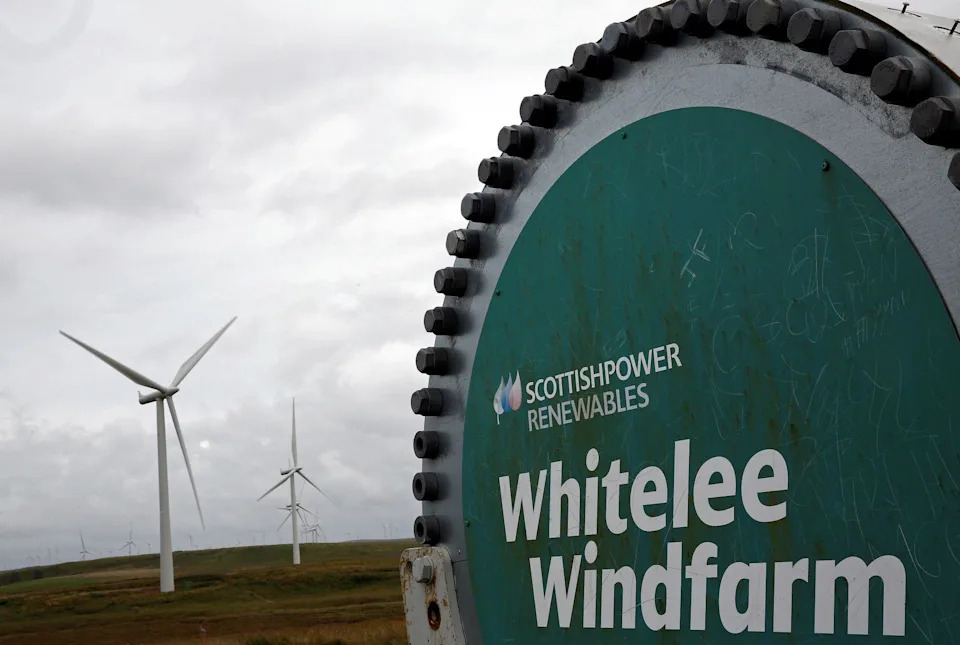
Whitelee has been expanded over the years to the current 215 operational turbines [PA Media]
Whitelee Windfarm, one of Europe’s largest onshore wind sites on Eaglesham Moor south of Glasgow, is set to be dismantled and rebuilt with fewer but significantly taller turbines as the existing machines reach the end of their operational lives.
Owner Scottish Power Renewables has proposed a three-phase, £1.5 billion repowering programme that would replace the current 215 turbines with around 124 new turbines, each roughly 110 m (361 ft) taller than the existing models. The upgrade is expected to take about 10 years and to raise the site’s capacity from 539 MW to about 1 GW — enough renewable electricity to power some 650,000 homes.
[Getty Images]
Planning, Timing and Public Access
An application has been submitted to the Scottish Government’s Energy Consents Unit, and a full planning application is expected by the end of next year. Scottish Power Renewables aims for the repowered site to be fully operational by 2035. The work will be staged in three phases so the site can remain accessible to walkers and visitors throughout the programme; Whitelee currently includes footpaths, tracks and a visitor centre.
Why Repowering?
Many of Britain’s onshore turbines were installed around the same time and are approaching the end of their design lives. Repowering — replacing older turbines with fewer, more powerful machines on existing sites — can sharply increase output without needing new land. Industry analysts at Regen estimate that more than half of Great Britain’s wind farm capacity will reach end-of-life within the next decade, creating a substantial pipeline of repowering projects.
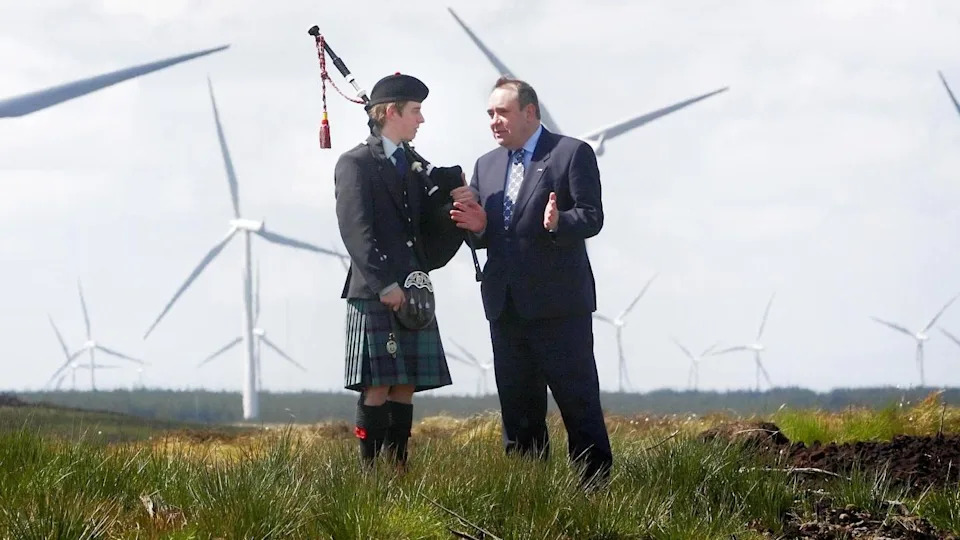
Alex Salmond officially opened Whitelee in 2009 when there were just 140 turbines [PA Media]
Charlie Jordan, Chief Executive of Scottish Power Renewables, said the company is planning ahead to preserve and grow home-grown clean energy capacity as turbines age.
Keith Anderson, Chief Executive of Scottish Power, described Whitelee as an iconic, much-visited landmark. He noted that although the new turbines will be larger, the open moorland landscape — much of which was formerly commercial forestry and has been restored — provides a context in which the taller machines can be accommodated.
Local, Environmental and Economic Benefits
Scottish Power says roughly 99% of removed turbine materials are expected to be recycled. The repowering is projected to support local jobs and supply chains and to contribute about £330 million to the Scottish economy over the course of the works. The company points to Hagshaw Hill in South Lanarkshire as a recent example, where 26 older turbines were replaced last year by 14 larger machines.
Whitelee covers around 83 sq km (32 sq miles) — nearly half the size of neighbouring Glasgow — and has become a popular destination for walkers and dog owners. Scottish Power has committed to maintaining public access and visitor facilities as the repowering progresses.
Taken together, the project illustrates how repowering can boost renewable output, support energy security and extend the value of existing sites while minimising new land use.
Help us improve.