The University of Cambridge finds that fan travel accounted for 82% of the 2026 World Cup’s carbon footprint—about 4.23 million tonnes CO2e, with roughly 3.47 million tonnes from fan travel. Coldplay’s 2024 European tour used an app and merchandise discounts to reduce fan travel emissions by about 48% and cut direct operational emissions by 59%. The researchers recommend verified travel incentives, smarter venue selection and artist-led campaigns to curb mega-event emissions.
Mega-Events Must Tackle Fan Travel: How the 2026 World Cup and Coldplay’s Tour Reveal a Path to Lower Emissions
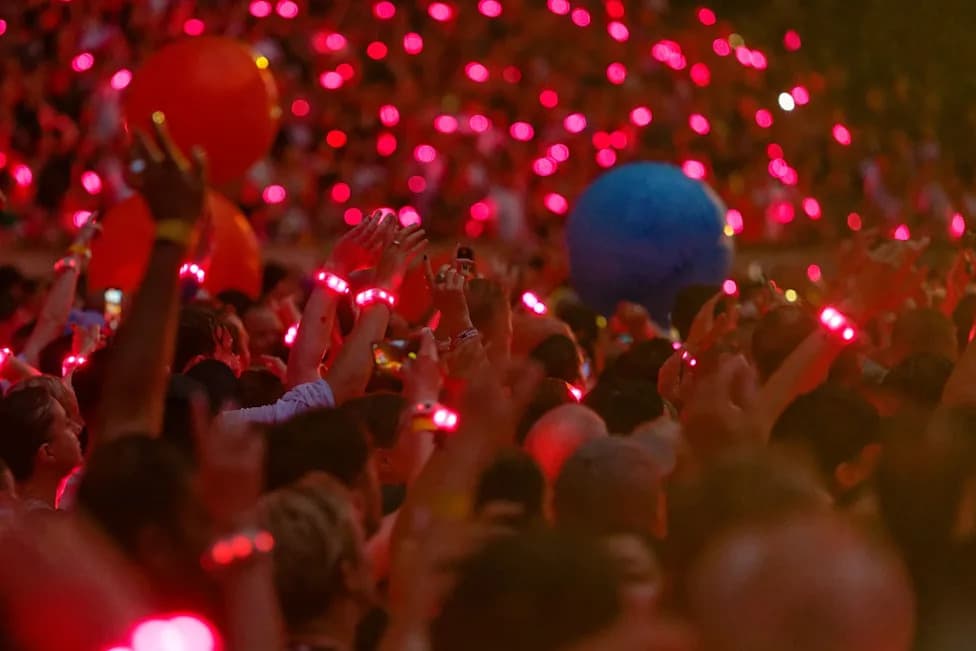
Coldplay have managed to roughly halve emissions from concerts and fan travelling for its 2024 tour, including by encouraging fans to travel more sustainably. Henning Kaiser/dpa
The 2026 men’s World Cup—played across three North American countries and attended by a record 6.8 million fans—became a striking example of how mega-events generate large volumes of greenhouse gases, largely because of spectator travel.
Fan Travel Dominates Mega-Event Emissions
Researchers at the University of Cambridge estimate the tournament produced about 4.23 million tonnes of CO2 equivalent. Around 82% of those emissions were attributable to fans travelling to matches and moving between host cities—equivalent to roughly 3.47 million tonnes from fan travel alone.
Lessons From a Concert Tour: Coldplay’s 2024 European Run
The study contrasts the World Cup with Coldplay’s 2024 European tour (32 concerts), which combined operational measures—such as solar-powered stage systems and lower-emission fuels—with active incentives to influence fan behaviour.
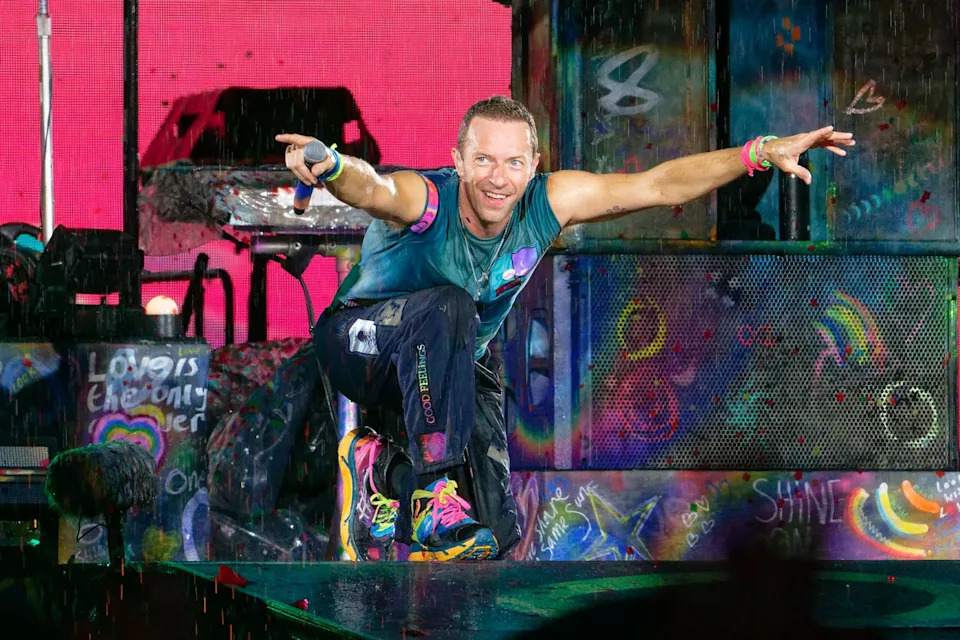
Researchers say spectator travel is now the main cause of CO2 emissions at mega-events. They are putting forward ideas for reducing the carbon footprint of both travel and the events themselves – inspired, amongst other things, by the band Coldplay. Henning Kaiser/dpa
Coldplay offered an app that let ticket-holders estimate the carbon impact of different travel options. The app rewarded lower-emission choices with merchandise discounts. After the tour, a verification team from MIT confirmed that, overall, fans followed the travel routes logged in the app. The band also plans stricter proof options, such as ticket receipts, in future rolls outs.
Measured Impact
Coldplay reported a 59% reduction in direct operational emissions from their concerts. However, operational emissions made up only a small slice of the tour’s total footprint: 97% of the tour’s emissions stemmed from fan travel. The study found those travel emissions fell by about 48%, bringing the tour’s total to approximately 58.5 kilotonnes CO2e—roughly the annual emissions of 5,700 people in Germany.
Using a commonly applied global damage cost of $186 per tonne of CO2e, the researchers estimate the Coldplay tour caused about $10.8 million in economic climate damage (≈4.7% of ticket revenue).
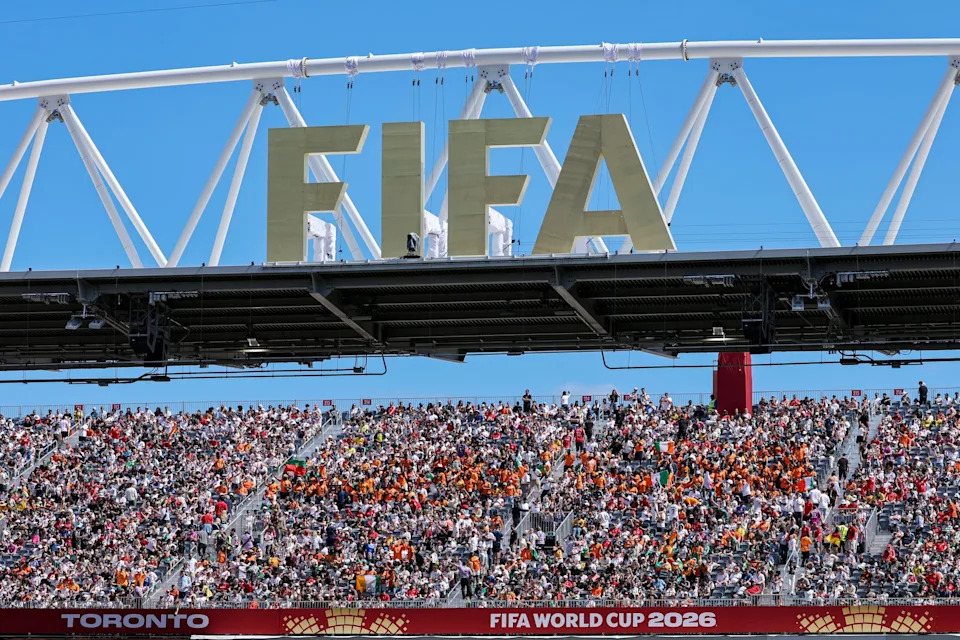
The 2026 men's World Cup drew a record 6.8 million fans from around the world to North America - causing a massive amount of climate-damaging emissions. Jan Woitas/dpa
Economic Scale Of The World Cup’s Emissions
Applying the same damage cost to the World Cup’s estimated 4.23 million tonnes, the team put an economic value on the emissions of about $787 million. The researchers also calculated that if emissions costs were internalised, ticket prices would rise only modestly on average—about $11 per Coldplay concert ticket and $114 per World Cup ticket.
Policy Recommendations And Practical Measures
- Verified Incentives: Raise ticket prices slightly and offer refunds or rebates for travellers who can prove low-carbon journeys (e.g., validated train receipts or verified app routes).
- Venue Selection: Choose venues and tournament footprints that minimise long-distance travel—hosting nearer to the largest fan bases reduces travel emissions substantially.
- Use Compensation Carefully: Certified carbon-offset schemes should be a last resort, used only after all feasible emission reductions have been pursued.
- Artist And Organizer Leadership: Performers and governing bodies should use their platforms to promote sustainable travel choices and infrastructure investments.
“Effective climate strategies for mega-events go well beyond reducing operational emissions at venues,” said Prof Shaun Larcom, corresponding author. “Real sustainability comes when organisers influence the wider system of fan behaviour—from transport and routing to decisions about event scale and design.”
Why This Matters
Mega-events generate tremendous social and economic value, and stars and organisers have unique leverage to shape attendee behaviour. The Cambridge study uses Coldplay’s tour as a practical model showing that organised incentives and verification can significantly reduce the major source of emissions at large events: spectator travel.
Note: Numerical figures in this article are based on the Cambridge study’s estimates and commonly used damage-cost assumptions (US$186 per tonne CO2e).
Help us improve.