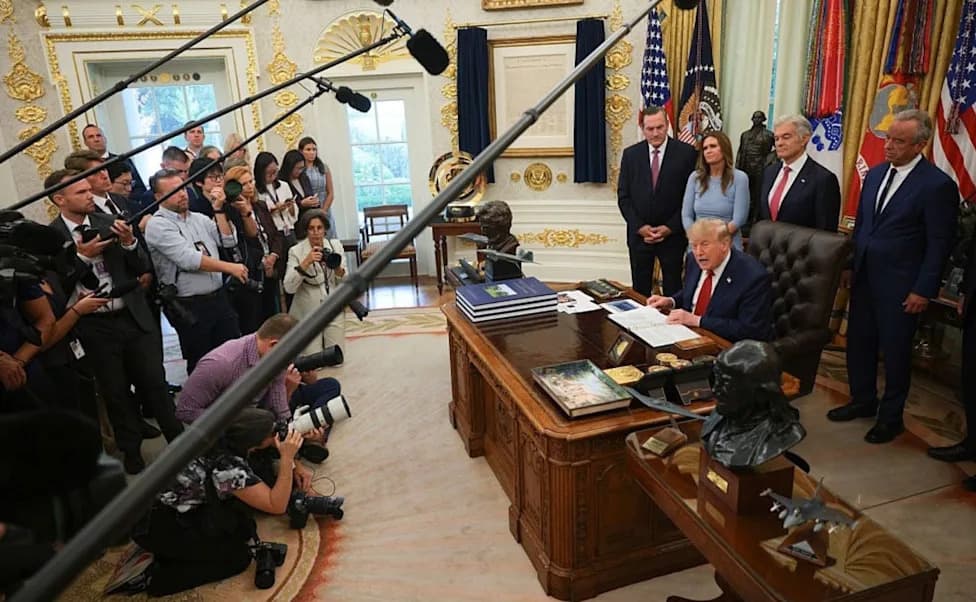
Summary: President Trump and FCC Chair Brendan Carr have signaled that broadcasters who do not satisfy the administration’s expectations could face license reviews or revocations. Though the FCC has not broadly revoked licenses, regulatory pressure and legal threats — including a $16 million Paramount settlement tied to a contested CBS interview edit — demonstrate how vague "public interest" standards can chill protected speech. The episode warns that weaponizing communication policy risks undermining press freedom and could boomerang on future officeholders.
Trump’s Threats To Revoke Broadcast Licenses: How FCC Pressure Is Chilling Free Speech
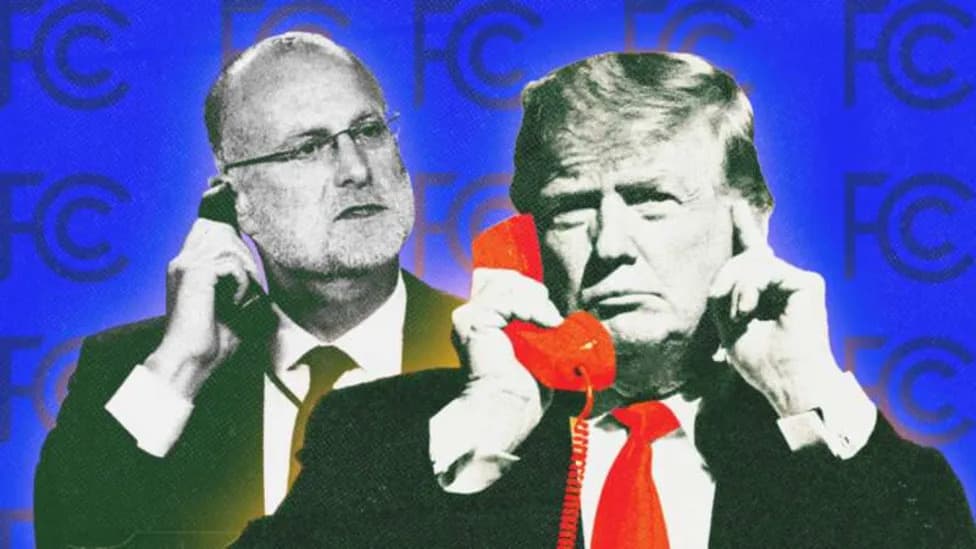
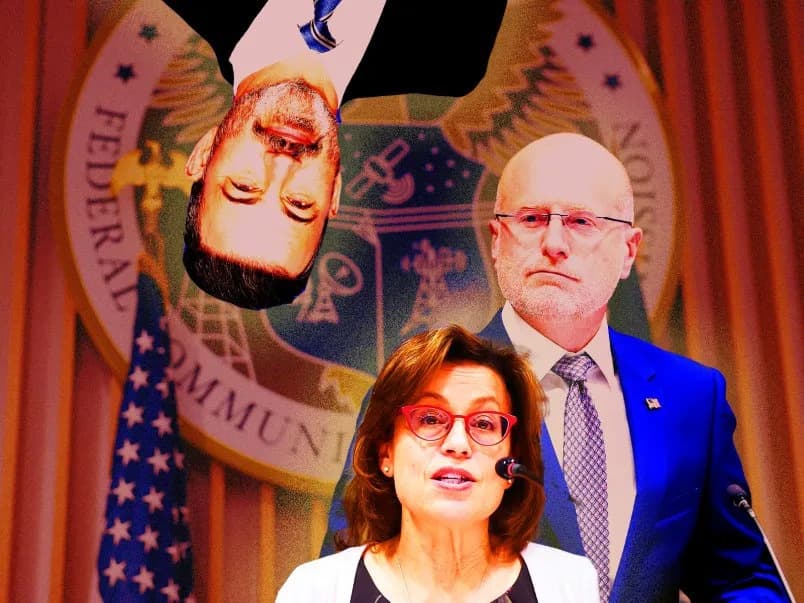
FCC/Midjourney
President Donald Trump has repeatedly threatened to revoke broadcast licenses from television networks that he says do not give him favorable coverage — most recently after ABC and NBC declined to air his speech on election security live. Those threats are part of a broader campaign to use regulatory power to influence news coverage and programming decisions.
What’s happening
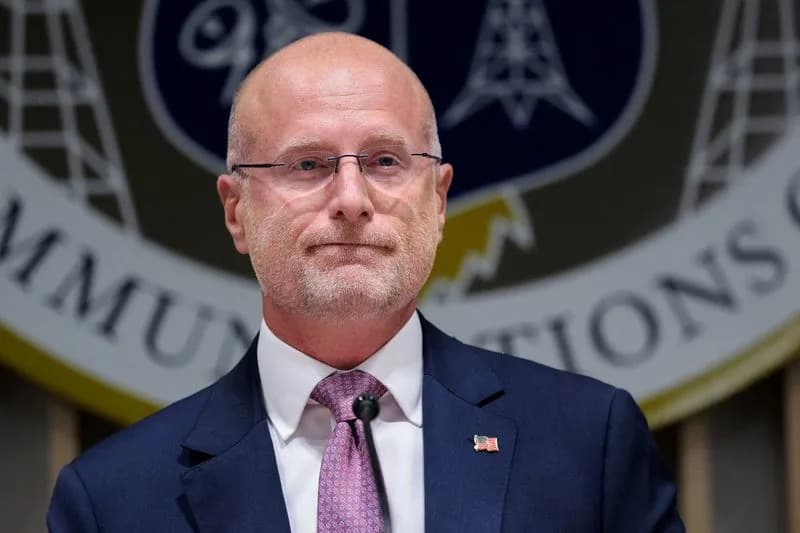
Trump’s approach relies on the Federal Communications Commission (FCC), led by Trump appointee Brendan Carr, who has warned stations they must operate in the “public interest” or risk losing their licenses. Carr and the president have suggested that broadcasters who do not present the president “fully, accurately, and fairly” could face regulatory consequences.
Brendan Carr (March): "Broadcasters must operate in the public interest, and they will lose their licenses if they do not."
Legal and political stakes
Any attempt to impose vague, open-ended content requirements on other media would likely run afoul of the First Amendment. Broadcasters occupy a unique regulatory space because they use public airwaves, but the argument that they pay "absolutely no money" for that access is misleading: broadcast licenses are factored into the market price when stations are bought and sold.
Case study: CBS/Paramount and the Harris interview
The stakes became concrete when FCC officials questioned whether a CBS edit of a pre-election interview with Vice President Kamala Harris amounted to "news distortion." Around the same time, Trump filed a lawsuit alleging the edit constituted consumer fraud. Although CBS called the suit "completely without merit," Paramount agreed to a reported $16 million settlement. The settlement came while the FCC was reviewing the Paramount/Skydance merger and after the agency announced an early review of ABC's licenses, citing concerns about "unlawful discrimination."
How enforcement can chill speech
Regulatory threats — or even the credible threat of them — can prompt media companies to change editorial practices, avoid controversial reporting, or make settlements to reduce legal and regulatory risk. That dynamic can exert a chilling effect on constitutionally protected speech, especially when the definition of the "public interest" shifts toward political preferences.
Why it matters
The pattern of legal and regulatory pressure shows how a vaguely defined concept of public interest can be conflated with the president’s personal aims. While the FCC has not revoked broadcast licenses wholesale, the combination of public threats, investigations, and legal action has already produced tangible concessions. The episode is a warning: normalizing the politicization of communications regulation risks being turned against any party when political control changes.
Bottom line: Using the FCC as a tool to punish or pressure broadcasters raises serious First Amendment concerns and could have lasting consequences for independent journalism and democratic accountability.
Help us improve.