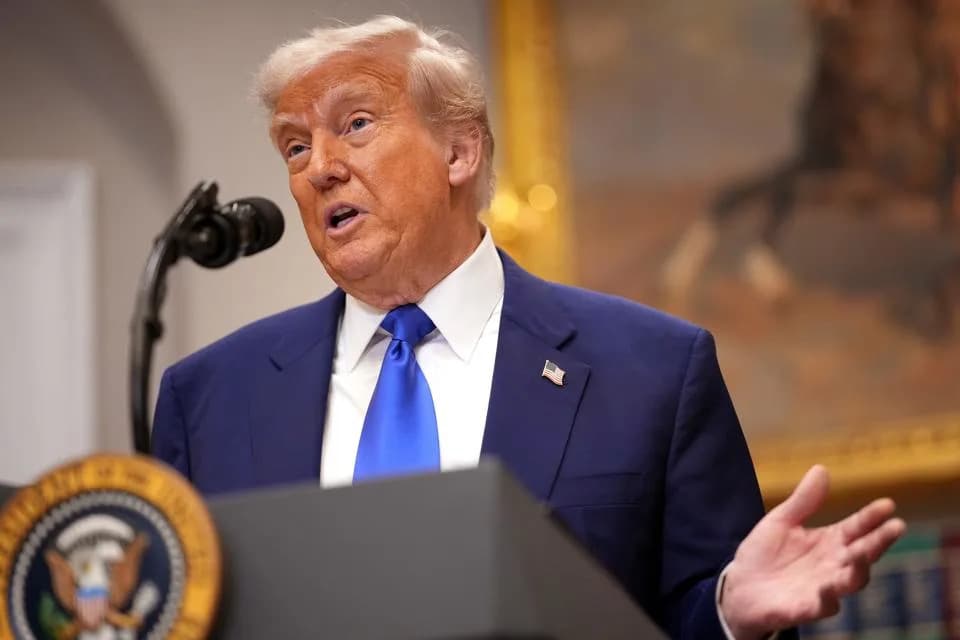
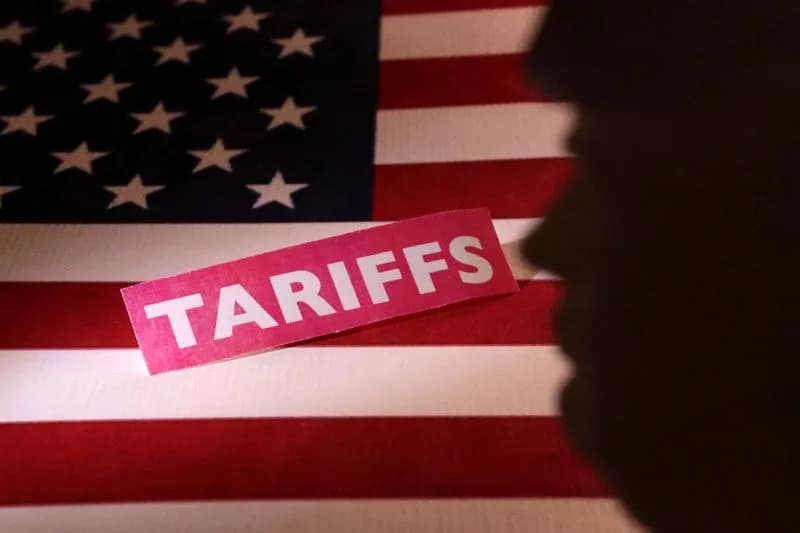
Donald Trump said imported generic drugs will be tariff‑free until August 2028, after which a 100% tariff would apply for one year and then increase to 200%. He described the schedule as a transition window to encourage manufacturers to move production to the US, but provided no specifics on penalties or the legal basis for the measure. The plan follows earlier proposals for steep tariffs on patented brand‑name medicines and includes some exemptions.
Trump Vows Steep Tariffs On Imported Generic Drugs To Force US Manufacturing
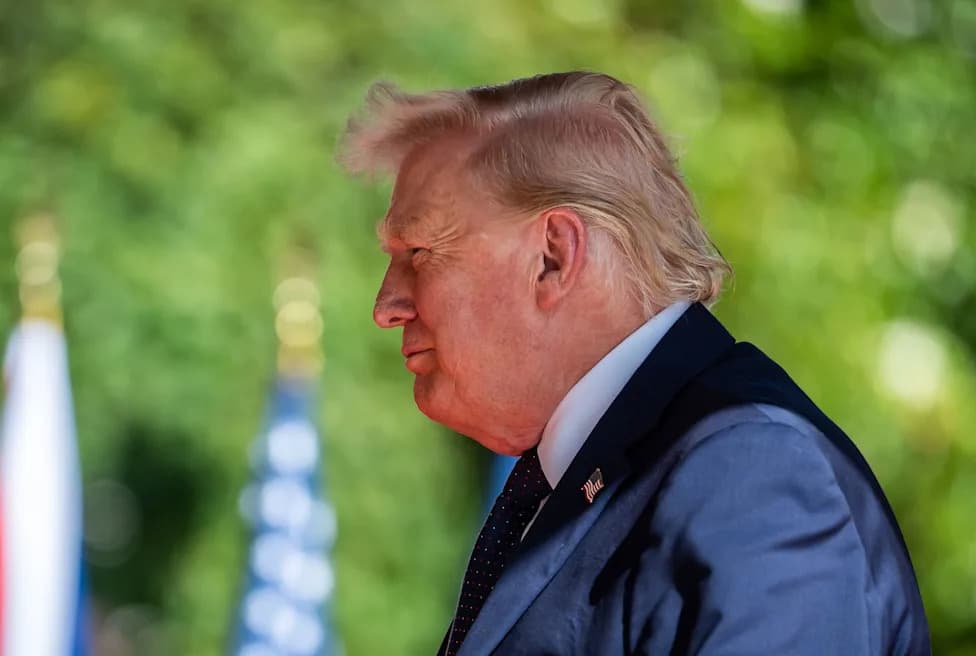
FILE PHOTO - US President Donald Trump arrives at the Hotel Royal during the G7 Summit in Evian. (is associated with: «Trump pledges tariffs on generic drugs not made in the US from 2028») Michael Kappeler/dpa-Pool/dpa
US President Donald Trump announced on Truth Social that he will impose heavy tariffs on imported generic medicines beginning in mid‑2028 as a means of pressuring drugmakers to relocate production to the United States.
Key Details
According to his post, generic drugs would remain exempt from tariffs until August 2028. After that date a 100% tariff would apply for one year and then increase to 200% thereafter. Trump framed the schedule as a two‑year transition window intended to give pharmaceutical companies time to move manufacturing back to the US.
Penalties, Legal Authority And Exemptions
Trump said companies that choose not to build US facilities would face penalties but did not provide details about the nature of those sanctions. He also did not specify the legal authority under which the proposed tariffs would be enacted.
The announcement follows earlier proposals this year for a 100% tariff on patented brand‑name medicines, which included certain exemptions—for example, for products covered by trade agreements or for companies that already manufacture in the United States.
Context And Objectives
Trump has framed these measures as part of an effort to lower comparatively high prescription drug prices in the United States. He has argued that lower‑cost overseas production gives foreign manufacturers an unfair advantage over US firms. The United States remains a center of costly pharmaceutical research and development.
Impact: The proposal raises pressure on drugmakers that produce medicines abroad and could have wide‑ranging trade and industry consequences, though details on implementation and legal authority remain unclear.
Help us improve.