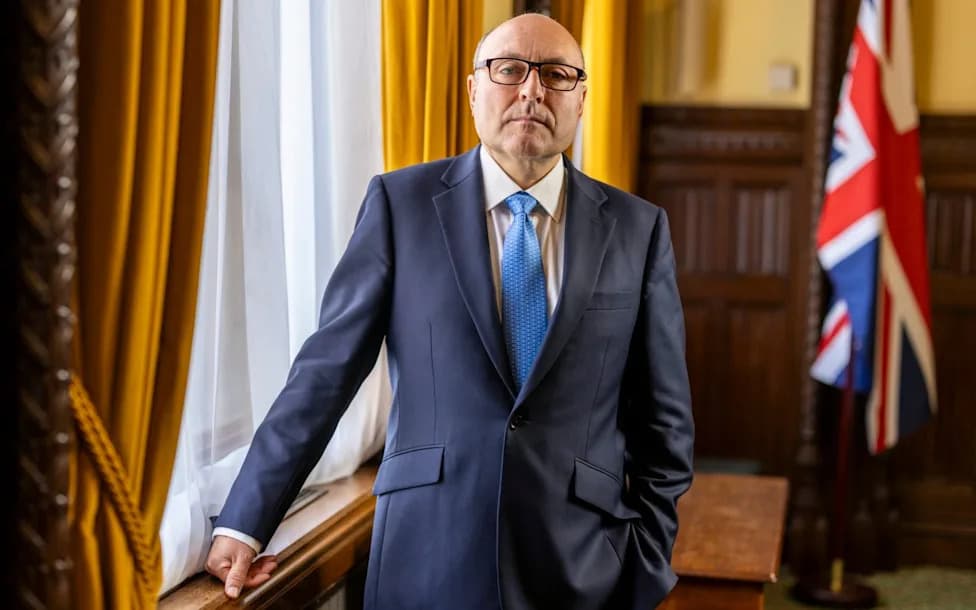
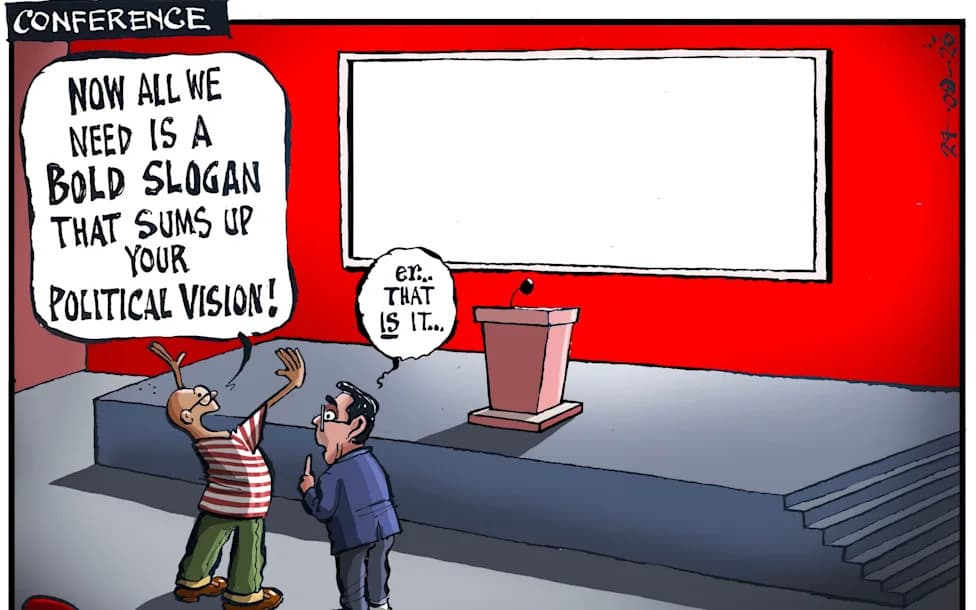
Andy Burnham’s first day in office signalled a dual strategy: provide near-term relief to households while reassuring investors that debt will be managed. He appointed John Healey as chancellor and scrapped the domestic electricity tax for six months, funded by cancelling a digital ID programme. With public debt above 95% of GDP and interest costs rising, Burnham aims to boost growth through reindustrialisation, more public housing and support for SMEs, while pledging not to raise taxes on workers or abandon the pensions triple lock.
Burnham’s Balancing Act: Stimulating Growth While Reassuring Markets
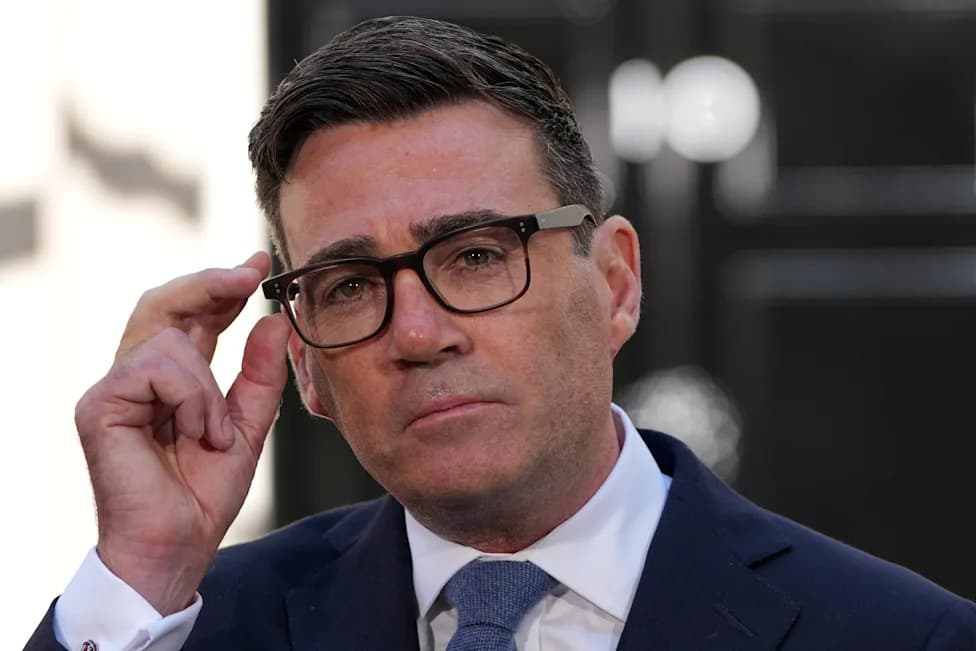
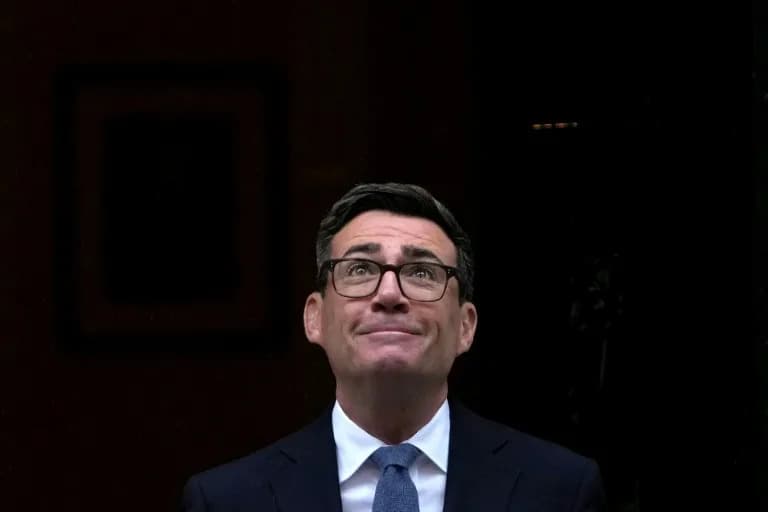
Britain's new Prime Minister Andy Burnham speaks to staff and media at 10 Downing Street in London, Monday, July 20, 2026.(AP Photo/Kirsty Wigglesworth)(AP Photo/Kirsty Wigglesworth)
LONDON — In his first 24 hours as prime minister, Andy Burnham moved quickly to signal both compassion for households squeezed by the cost of living and fiscal credibility to nervous investors. His early decisions illuminate the difficult trade-offs that will define his premiership: how to revive Britain’s slow-growing economy while keeping borrowing costs under control.
Fiscal Signal: John Healey as Chancellor
Burnham surprised many by naming former defence secretary John Healey as chancellor of the Exchequer. Healey’s Treasury experience under Gordon Brown is being presented as a reassurance to markets that the new government intends to tackle Britain’s elevated public debt rather than embark on unfunded spending.
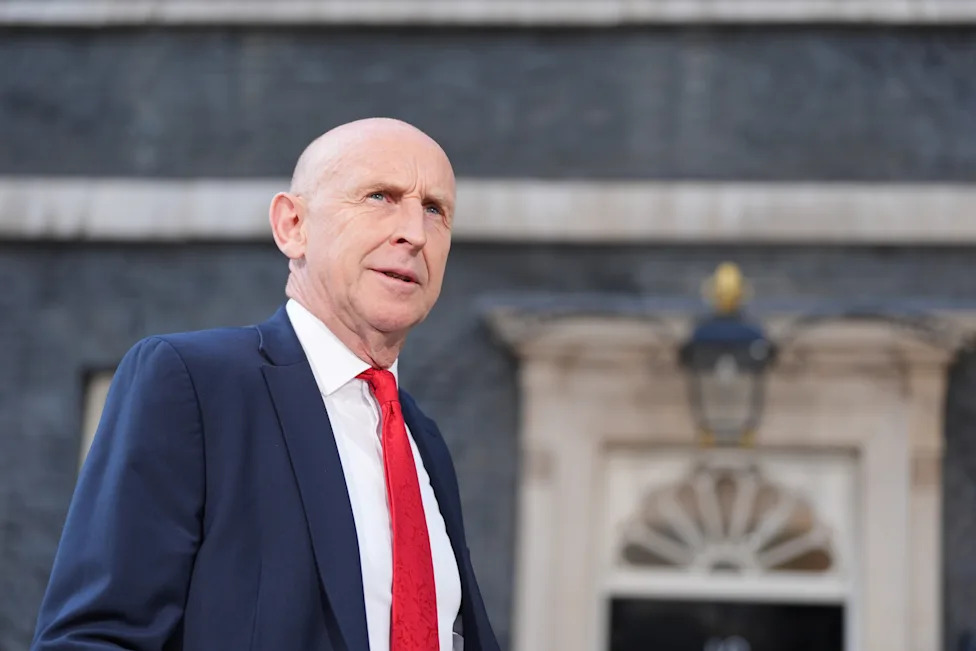
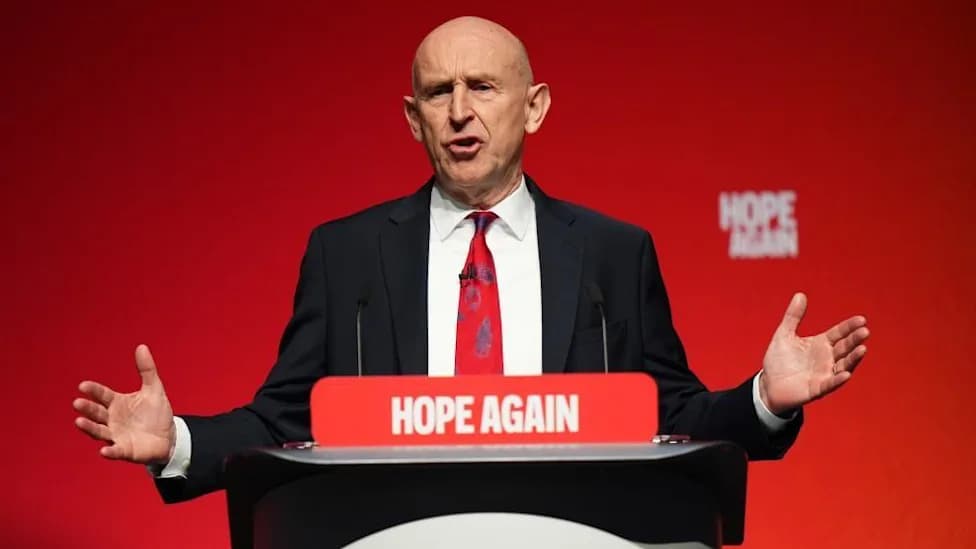
Newly appointed Chancellor of the Exchequer John Healey leaves number 10 Downing Street, as new British Prime Minister Andy Burnham has entered number 10 Downing Street and among his first tasks is the selection of his new Cabinet, in London, Monday July 20, 2026. (Yui Mok/PA via AP)(Yui Mok/PA via AP)
Immediate Consumer Relief
To ease pressure on households, the government announced it will abolish the tax on domestic electricity for at least six months from October, a measure estimated to save the average household about £45 (£45) a year. Officials said the move will be funded by cancelling planned spending on a digital ID programme, a choice meant to show markets the relief is fiscally managed.
"Healey has a daunting task on his hands," said Victoria Scholar, head of investment at interactive investor. "The government has ambitious plans to tackle cost-of-living pressures ... but he faces a very difficult set of public finances to carry these expensive plans through."
Structural Constraints
Burnham inherits structural fiscal headwinds. Public debt now exceeds 95% of GDP, and debt interest payments reached £111.2 billion in the year to April, about 8.3% of government spending. Those interest costs reduce the funds available for public services such as health and education and limit policy flexibility.
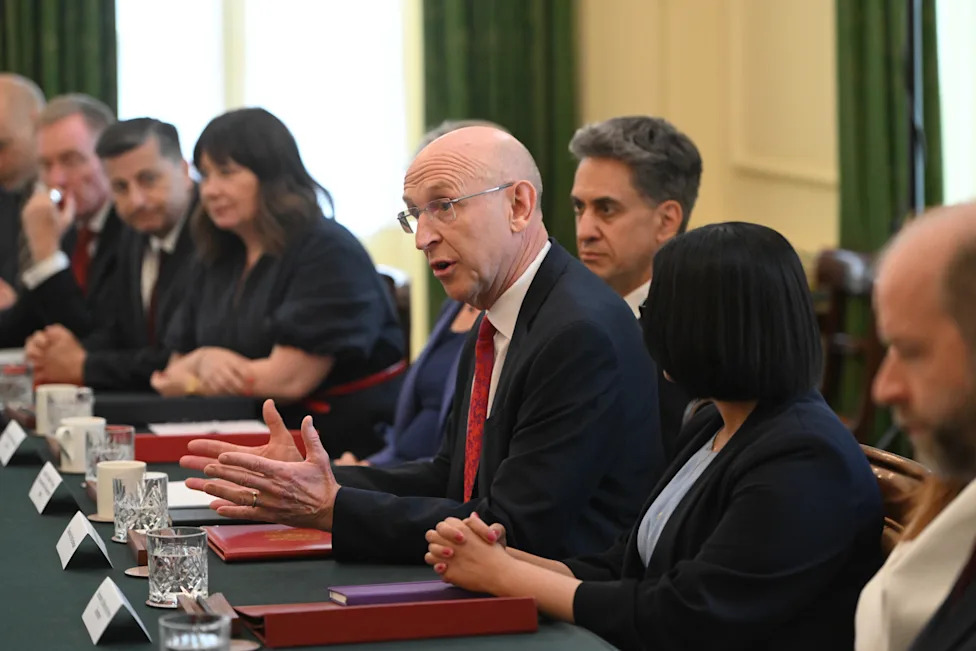
Britain's Chancellor of the Exchequer John Healey, center, attends the first cabinet meeting held by Prime Minister Andy Burnham at 10 Downing Street, London, Tuesday July 21, 2026. (Eddie Mulholland/Pool Photo via AP)(Eddie Mulholland/Pool The Telegraph via AP)
At the same time, the government has committed to raise defence spending to 3.5% of GDP by 2035, a pledge that independent estimates put at roughly £36 billion a year — around £500 per person — adding another long-term fiscal obligation.
Growth Is The Core Challenge
Economists and policy-makers agree that higher economic growth is the most sustainable way to increase fiscal headroom. Since 2009 the UK economy has expanded by less than 1.5% per year on average, compared with about 3% before the 2008 crisis. Without faster growth, taxpayers may face higher levies or cuts to popular programmes such as the National Health Service.
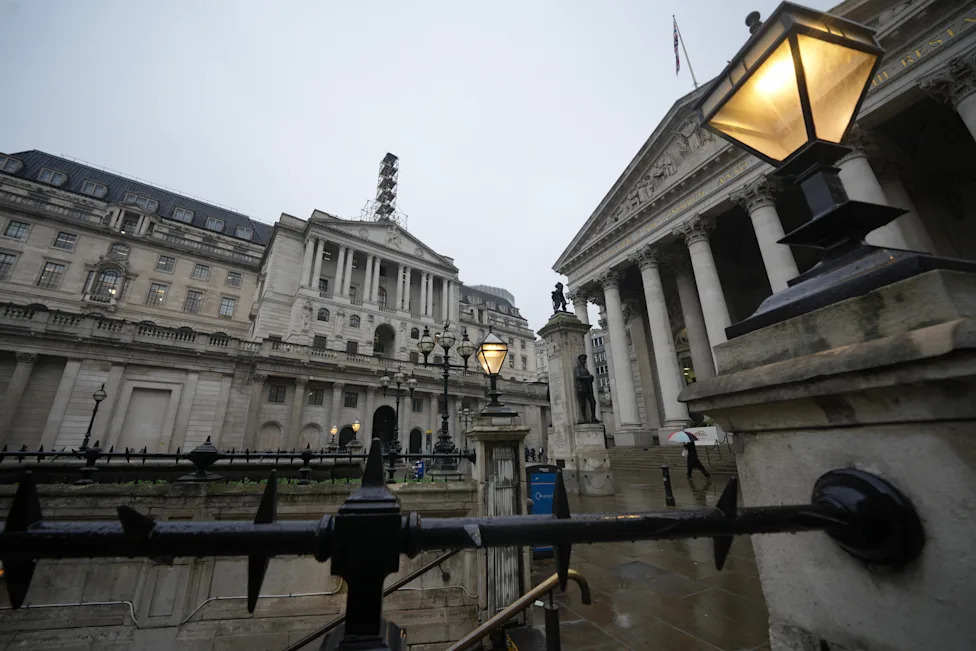
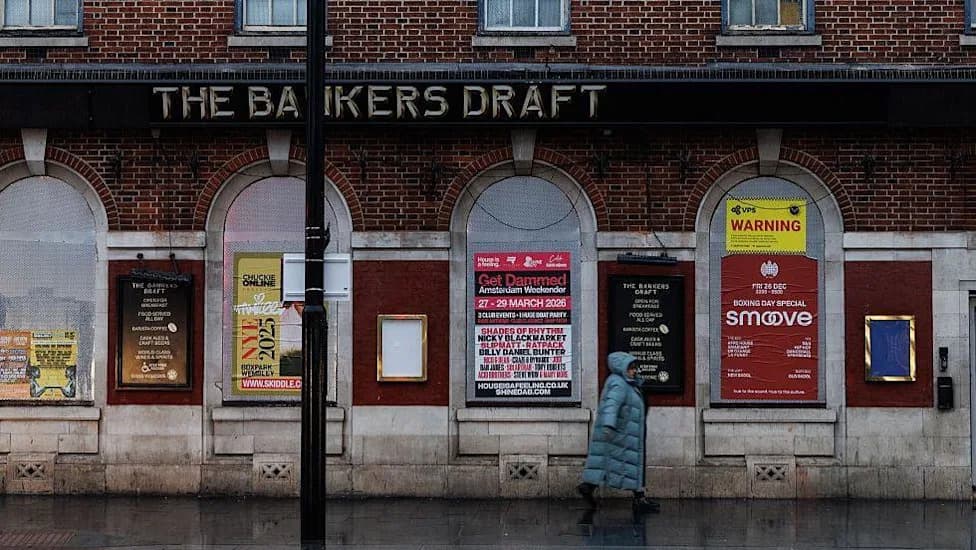
FILE -A man walks in front of the Bank of England, at the financial district in London, Feb. 5, 2026 (AP Photo/Kin Cheung, File)(AP Photo/Kin Cheung)
Policy Outline: Reindustrialisation, Housing, SMEs
Burnham’s economic outline centers on "reindustrialising" the UK by shifting investment away from London and into regions hit by manufacturing decline, increasing public housebuilding to tackle shortages and stimulate construction, and supporting small and medium-sized enterprises, which account for roughly 60% of private employment. He has pledged not to raise taxes on working people and to preserve the state pension "triple lock," a costly guarantee that pensions rise by the higher of inflation, wage growth or 2.5%.
Commentators such as Jim O’Neill have urged bolder structural reform, including addressing long-term spending growth in welfare and health and reconsidering elements like the triple lock. Economists stress the need to convince bond markets that the UK’s debt is a secure investment if the government hopes to finance any expansionary plans.
Looking Ahead
Burnham has so far offered broad priorities rather than a detailed economic blueprint. Reconciling the political demand for immediate relief with the technical need for fiscal sustainability will define his early months in office. The choices he makes about spending, taxation and long-term commitments will determine whether he can unlock faster growth and secure political stability.
Reporting and estimates in this article reference statements by the Office for Budget Responsibility and independent research bodies cited by government and experts.
Help us improve.