U.S. Senator Marco Rubio said Washington remains willing to negotiate with Iran but questioned Tehran’s seriousness, as Houthi threats and Iranian actions have disrupted critical shipping routes. Three Saudi tankers turned back in the Red Sea after Houthi warnings and a reported naval blockade of Saudi ports. Diplomacy continues with a mediator's 10-day ceasefire proposal and Iranian outreach to Pakistan, while fighting and strikes have escalated and pushed oil prices higher.
Rubio: U.S. Open To Talks With Iran But Says Tehran Isn’t Serious As Red Sea Threatens Oil Routes
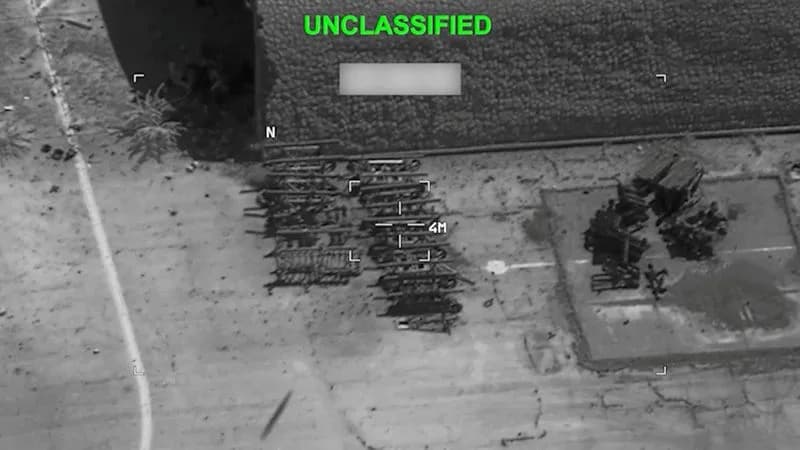
Military equipment targeted at an unknown location, during what the U.S. Central Command (CENTCOM) says are strikes on Iran, in this screengrab taken from a handout video released on July 21, 2026. U.S. Central Command/Handout via REUTERS
U.S. Senator Marco Rubio said on Wednesday that Washington remains willing to negotiate an end to the crisis with Iran, but he questioned whether Tehran is committed to serious talks as tensions spread to two of the world’s most important shipping chokepoints.
Shipping Disruptions And Houthi Threats
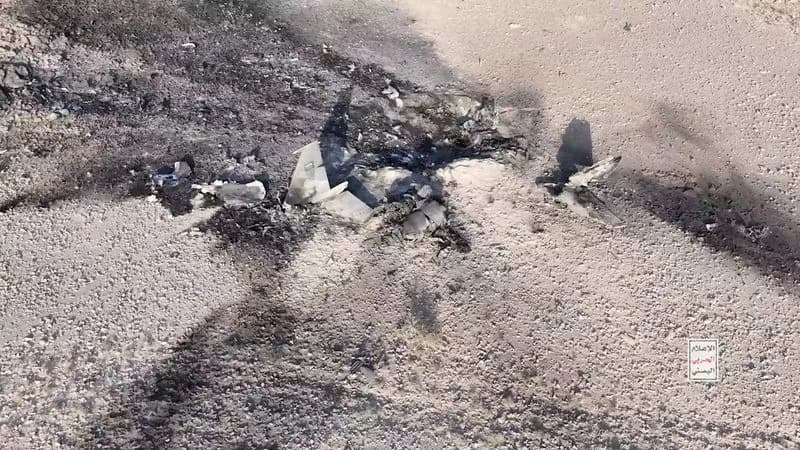
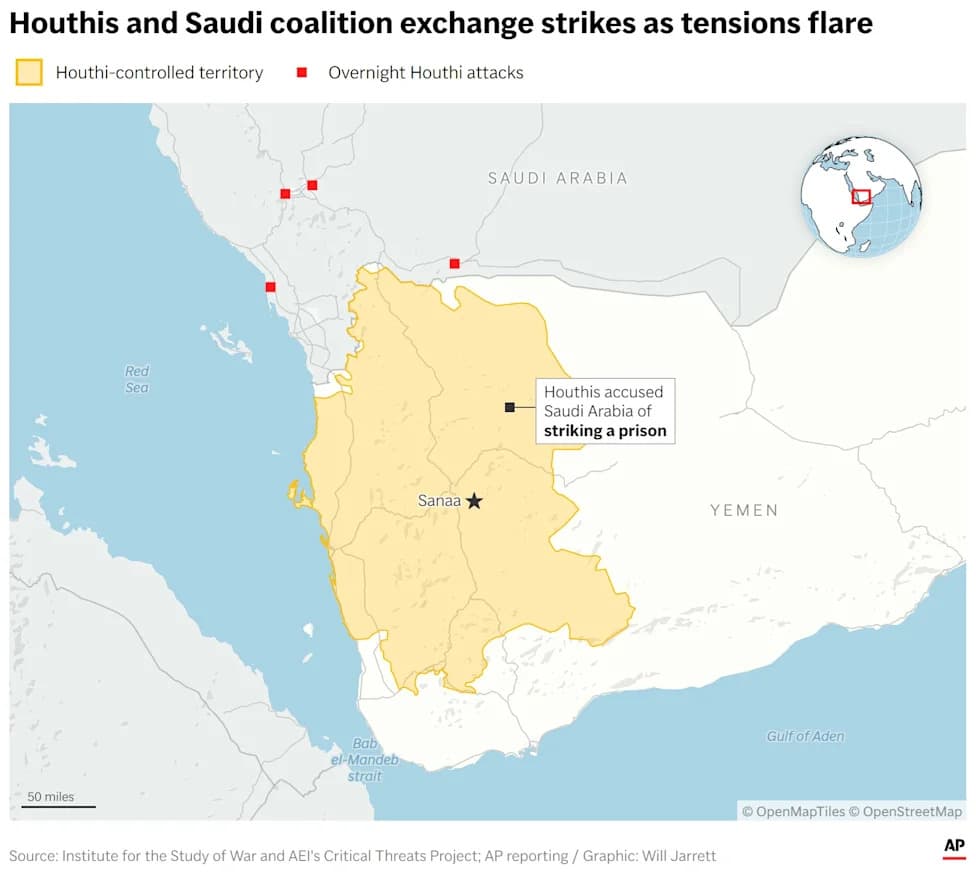
Rubio made the remarks during a meeting of Southeast Asian foreign ministers, a day after three oil tankers loaded with Saudi crude for Asian buyers reversed course in the Red Sea amid apparent threats from Yemen’s Iran-aligned Houthi fighters. The Houthis, who control the coastline at the mouth of the Red Sea, announced a naval blockade of Saudi Arabia on Monday, raising the prospect of a new front in a conflict that has already caused heavy casualties across the Gulf.
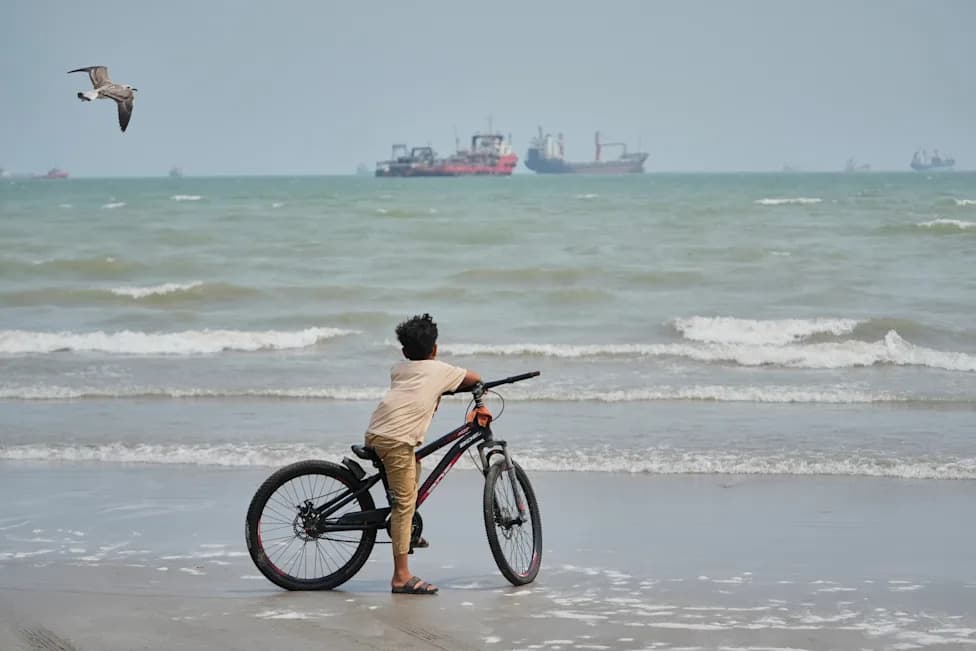
With Tehran also threatening shipping through the Strait of Hormuz — the primary exit from the Gulf —the Red Sea has become a key alternate route for millions of barrels of Saudi oil each day, increasing the global economic stakes.
Diplomacy Still Underway
A senior Iranian official told Reuters that Tehran had received a mediator proposal for a 10-day ceasefire aimed at preserving an interim agreement signed by the U.S. and Iran in June. Iran’s Interior Minister Eskandar Momeni also visited Pakistan to ask Islamabad to continue its mediation efforts, a sign that diplomatic channels remain active despite the violence.
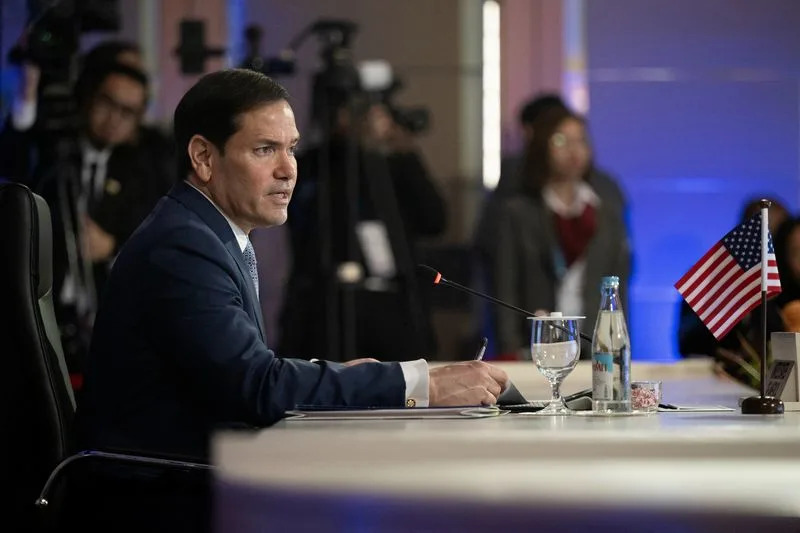
U.S. Secretary of State Marco Rubio makes an opening statement during the ASEAN Post-Ministerial Conference with the U.S. on the sidelines of the Association of Southeast Asian Nations (ASEAN) Foreign Ministers' Meeting in Pasay, Metro Manila, July 22, 2026. BRENDAN SMIALOWSKI/Pool via REUTERS
Rubio reiterated that Washington is "always committed to diplomacy," but expressed doubt about Iran’s willingness to reciprocate.
"The problem we're having right now is that they're not serious about talks. If they're serious, we're serious. If they're not, then we will do what's necessary to protect our interests, and also the interests of our allies," Rubio said in Manila.
"If we create a precedent in the Middle East where a nation state can decide that they are going to control an international waterway, charge a toll, and if you don't pay them blow up your ships, we have created a very dangerous precedent, which will repeat itself in other parts of the world, including in this region," he added.
Military Escalation
With diplomacy stalled, the U.S. military carried out strikes across Iran for an 11th consecutive night, and Tehran residents reported explosions as Iran activated air defenses over the capital. Iran’s state media and officials reported hits on three locations in Bushehr province — home to Iran’s only nuclear power plant — including an electricity substation near the facility.
Iran’s army said it launched drone attacks on U.S. military facilities in Kuwait, Jordan and Bahrain, claiming strikes on housing blocks and equipment storage at Al Azraq air base in Jordan and on warehouses and maintenance hangars at Sheikh Isa Air Base in Bahrain using Arash suicide drones. Reuters was unable to immediately verify those claims.
U.S. President Donald Trump confirmed that 18 U.S. service members have been killed so far in the conflict, including four in recent Iranian attacks on U.S. bases in Jordan and Iraq. Iranian health officials said about 50 civilians were killed and 500 wounded in recent U.S. strikes.
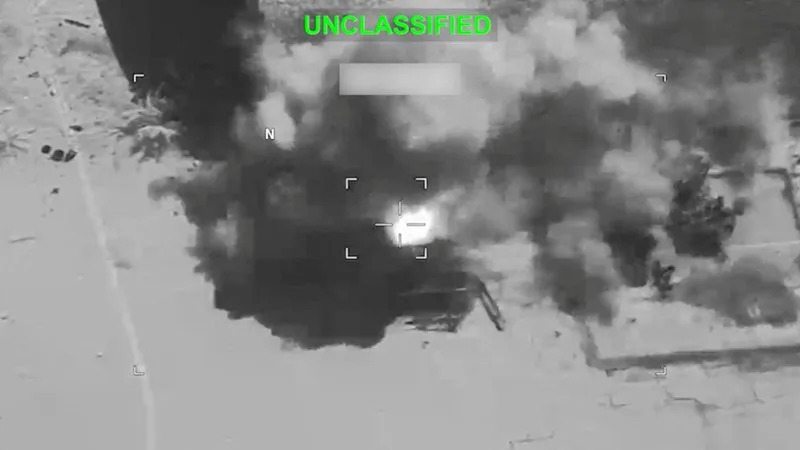
Smoke rises from an explosion at an unknown location, during what the U.S. Central Command (CENTCOM) says are strikes on Iran, in this screengrab taken from a handout video released on July 21, 2026. U.S. Central Command/Handout via REUTERs
Market Impact
Oil prices rose in Asian trade, with Brent crude trading above $91 a barrel and U.S. gasoline prices back over $4 a gallon after the Houthi threats and shipping disruptions. In a letter to shippers, the Houthis warned they would target vessels loading or discharging Saudi oil, heightening concern over passage through the Bab el-Mandeb strait — the narrow gateway into the Red Sea.
Three tankers carrying Saudi crude to China and India reversed course in the Red Sea, opting for the Suez Canal route rather than passing near Yemen’s coast. Saudi Arabia has partially mitigated disruption by rerouting oil through pipelines to Yanbu on the Red Sea, but a full Houthi closure could sharply reduce global supply.
President Trump said the Houthis had not closed the Bab el-Mandeb Strait and warned Washington would respond if they did. He also renewed threats to strike Iran’s Natanz nuclear facilities, reiterating claims about earlier U.S. strikes that Iran has vowed to retaliate against.
(Reporting by Reuters bureaux; Writing by Stephen Coates; Editing by Lincoln Feast)
Help us improve.