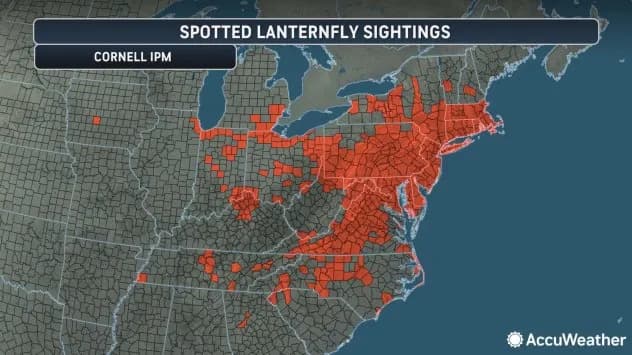
The spotted lanternfly remains a serious concern in Allegheny County, which led Pennsylvania in reported sightings by 2025 despite declines from prior peak seasons. These invasive planthoppers—first detected in the state in 2014—feed on more than 70 plant species and can cause sap loss, dieback and a sticky residue that promotes sooty mold. A Penn State–linked study estimates uncontrolled infestations could cost roughly $324 million annually and jeopardize over 2,800 jobs. Officials urge residents to report sightings, destroy adults and egg masses, remove host trees, and inspect vehicles before travel.
Spotted Lanternflies Surge Again in Allegheny County — State Urges: “See It, Report It, Kill It”

Lanternflies surge again in Allegheny County, state warns
Allegheny County remains under a spotted lanternfly quarantine and, by 2025, still recorded the highest number of reported sightings of any county in Pennsylvania, according to the Pittsburgh Post‑Gazette. While seasonal reports have fallen from tens of thousands to several thousand in recent years, state officials say the pest remains a persistent and serious threat.
What the Spotted Lanternfly Is
The Pennsylvania Department of Agriculture describes the spotted lanternfly as an invasive planthopper first detected in Berks County in 2014. It now feeds on more than 70 plant species, including grapevines, maples, black walnut and other trees that are important to the state's economy. Lanternflies feed on plant sap, which can cause oozing sap, wilting, leaf curling and branch dieback. The sticky "honeydew" they excrete also encourages black sooty mold that can coat decks, playground equipment and garden plants, diminishing outdoor quality of life.
Economic Threat
A Penn State–linked economic analysis estimates that, if left uncontrolled, lanternflies could cost Pennsylvania about $324 million annually and put more than 2,800 jobs at risk, with the greatest impacts expected in grape production, fruit orchards, nursery operations and the timber industry.
What Residents Should Do
For residents in Allegheny County and Pittsburgh the guidance is direct: see it, report it, kill it. Officials urge people to take immediate, simple actions to limit spread and damage:
- Stomp adult lanternflies when safe to do so.
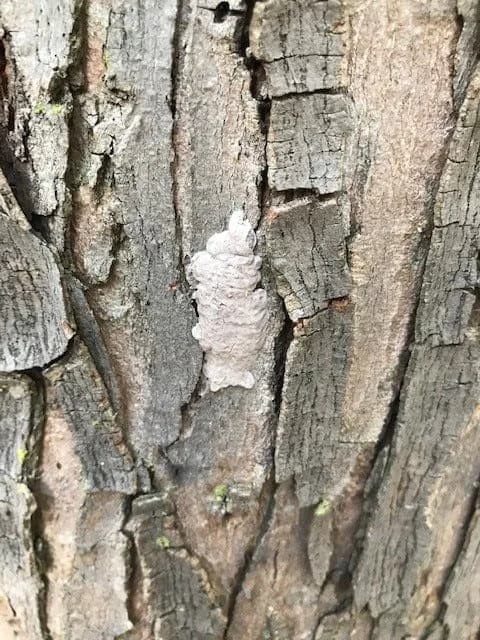
- Scrape and destroy egg masses (in fall and winter) using a rigid card into a container of rubbing alcohol or hand sanitizer.
- Remove the invasive tree‑of‑heaven, a common host plant, where feasible and permitted.
- Always inspect vehicles, outdoor equipment and firewood before traveling to avoid accidental transport.
- Report sightings online or by calling 1‑888‑4BADFLY.
Quick Tips
Don’t move firewood or yard waste, check vehicles before long trips, and report any sightings promptly to help protect farms, forests and backyards.
Local and state authorities continue monitoring and responding, but community participation remains vital to slowing the insect’s spread and protecting Pennsylvania’s agriculture and green spaces.
Help us improve.