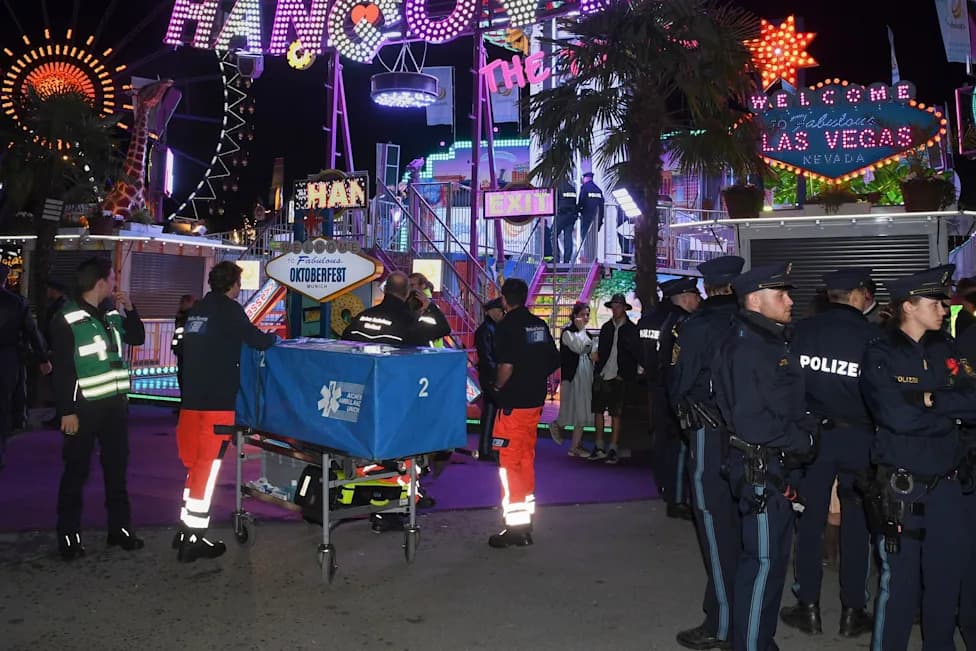
Munich has tightened rules for the 2026 Oktoberfest to curb unruly behaviour and improve safety. Champagne spraying inside tents is banned and sparklers will be allowed only on the final evening under strict conditions. Organisers will use real-time visitor counts, crowd-spotting, a new coordination centre and expanded CCTV, and they will start tent music earlier to encourage weekday attendance and reduce weekend overcrowding.
Munich Tightens Oktoberfest Rules: Champagne Showers Banned, Sparklers Restricted, New Crowd Controls
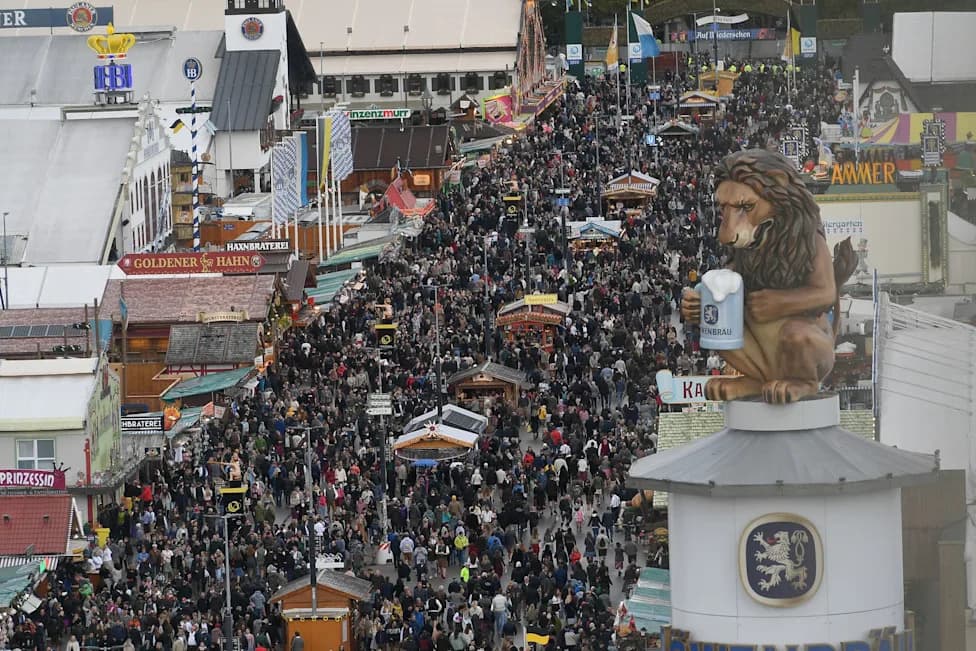
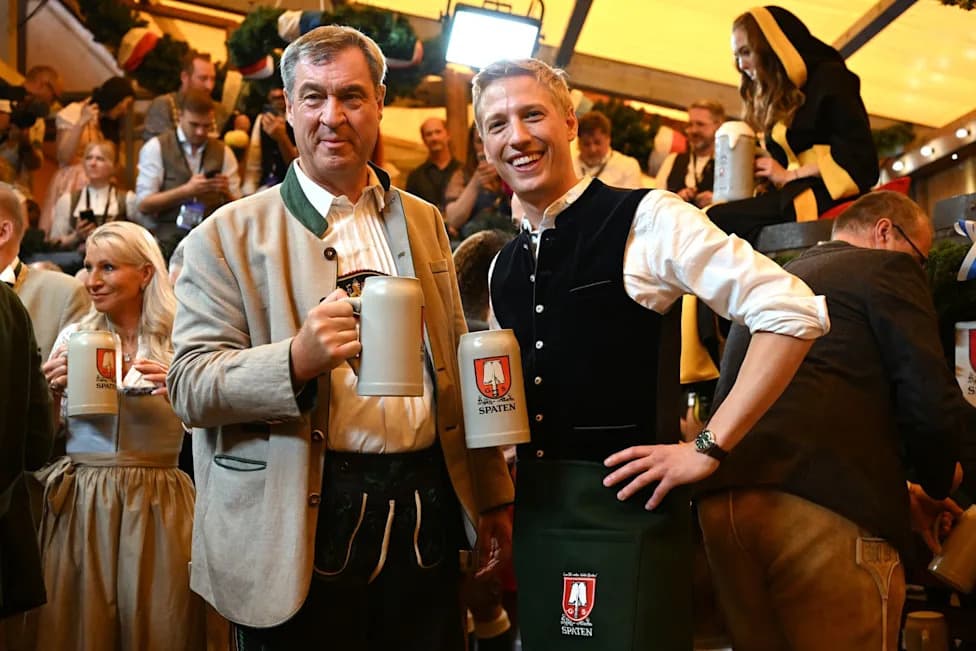
No overcrowding. Better security. And no champagne, say Oktoberfest organizers ahead of this year's beer festival in Bavaria. Felix Hörhager/dpa
Munich has unveiled a package of new rules and safety measures for the 2026 Oktoberfest designed to preserve the festival’s traditional character while addressing growing concerns about overcrowding and risky behaviour.
What’s Changing
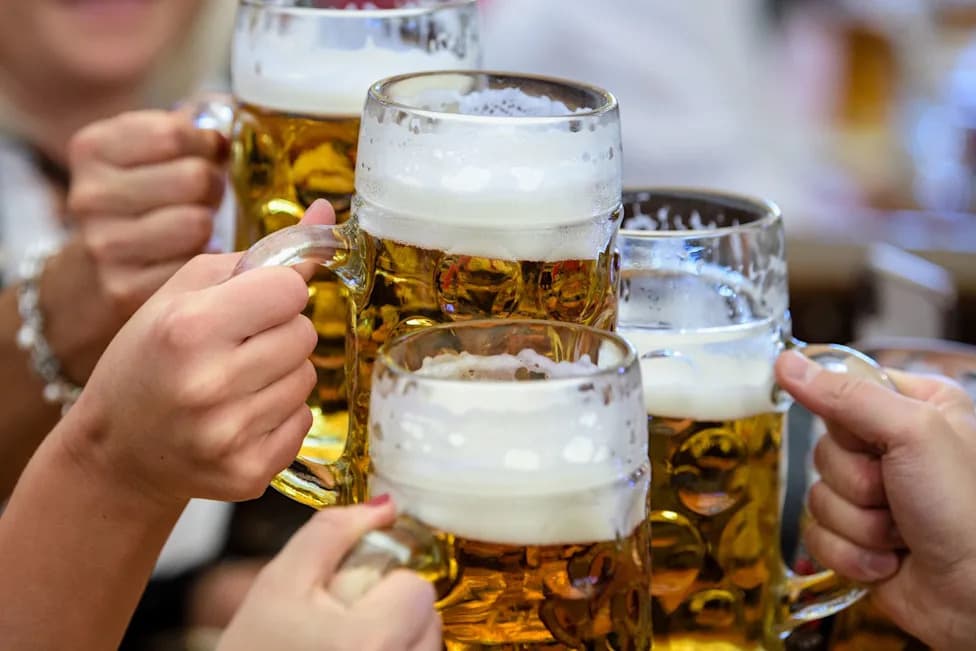
Champagne showers — the practice of shaking and spraying sparkling wine inside beer tents — are now banned as wasteful and out of step with the festival’s traditions. Organisers have also limited the use of hand-held sparklers: they will only be permitted on the festival’s final evening and only under strict conditions.
Stronger Crowd Controls
After dangerous overcrowding at the 2025 event, officials are introducing several new measures to improve safety. These include real-time visitor counts, enhanced crowd-spotting systems, a new coordination and monitoring centre, and expanded CCTV coverage to detect and respond to issues earlier.
Keeping the Atmosphere — With Better Flow
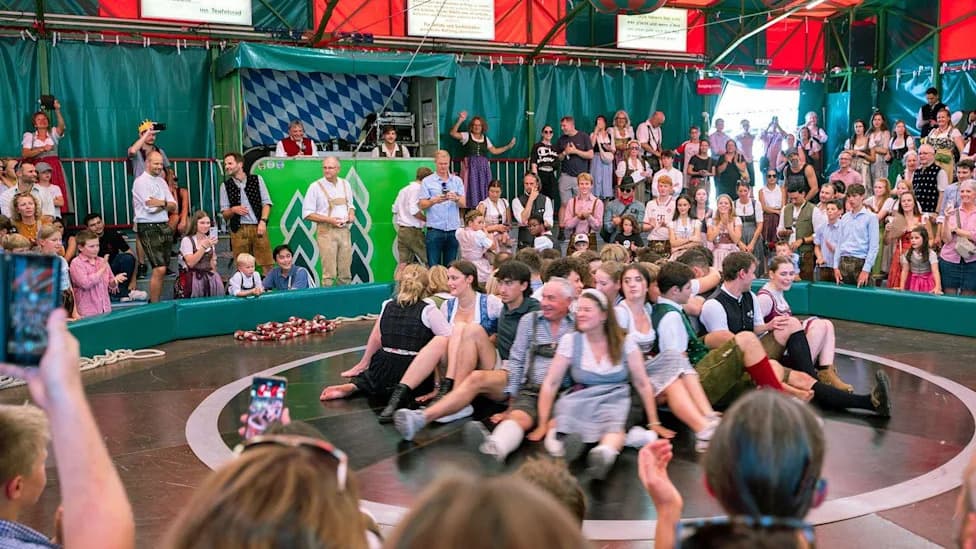
Organisers want to preserve the festival’s musical and social atmosphere while spreading attendance more evenly across the week. To reduce weekend peak crowds, tent music will start an hour earlier and organisers plan to encourage more weekday visits by increasing lively "oompah" band performances.
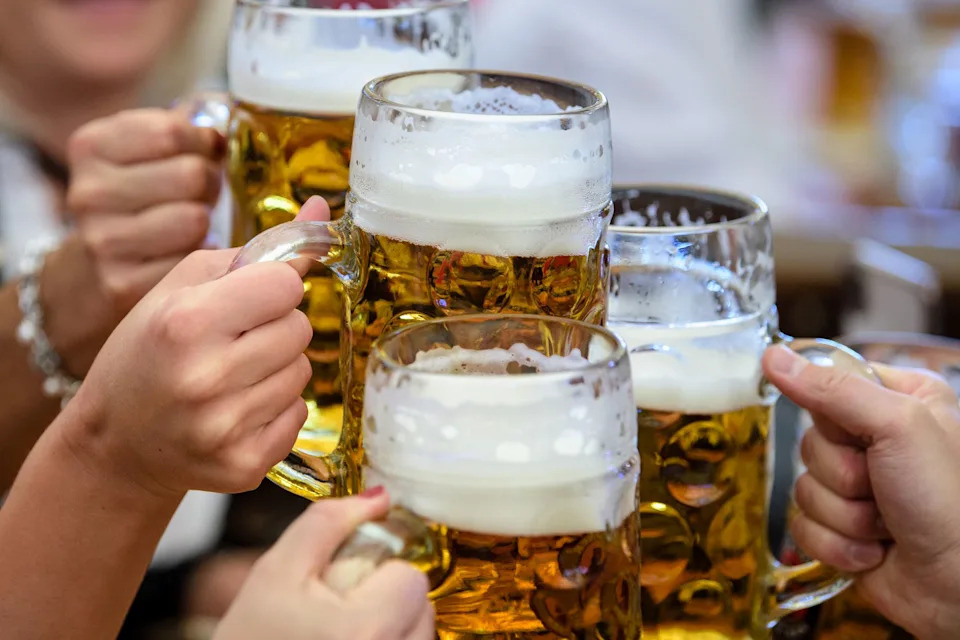
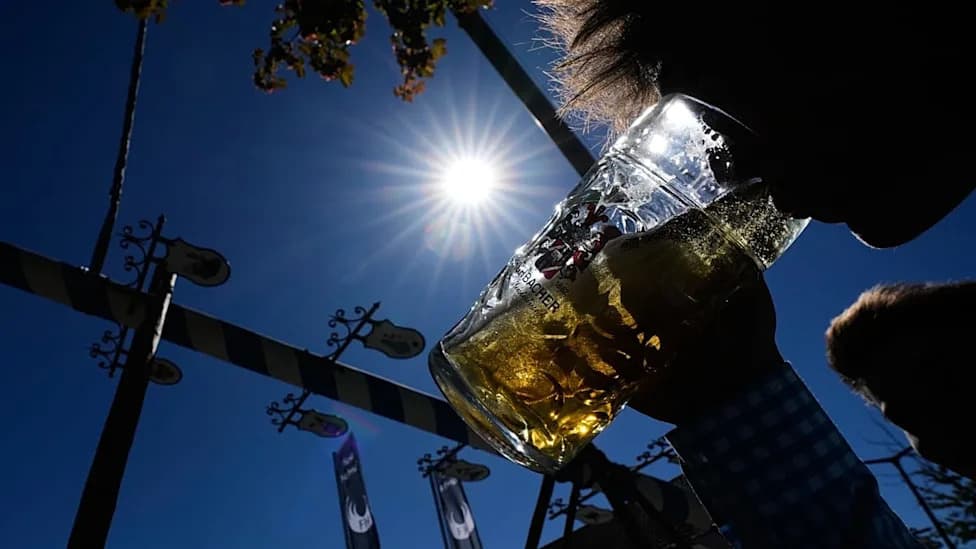
The world's biggest folk festival has some new resolutions for the 2026 celebrations. Matthias Balk/dpa
Why the Sparkler Rule?
Concerns about indoor sparklers were intensified by a deadly fire in Crans-Montana, Switzerland, where investigators concluded sparklers attached to champagne bottles helped ignite a fast-spreading blaze. That tragedy influenced Munich’s decision to tightly restrict sparklers rather than ban them outright.
Other Decisions
The city council considered a ban on patio heaters for climate and energy reasons but ultimately rejected it. Officials say the festival planning also takes into account seasonal heatwaves and visitor comfort.
About Oktoberfest
Oktoberfest is the world’s largest Volksfest — a hybrid of folk festival and fairground — running for 18 days each year, typically moved into September for warmer weather. Its origins trace back to 1810, when the festival celebrated the wedding of Crown Prince Ludwig of Bavaria and Princess Therese of Saxe-Hildburghausen. Six historic Munich breweries — Augustiner, Hacker-Pschorr, Hofbräu, Löwenbräu, Paulaner and Spaten — supply the beer, often paired with pretzels, roast chicken, pork knuckles and sausages.
What To Expect In 2026
Attendees should expect a familiar Oktoberfest atmosphere but with firmer rules on wasteful or hazardous celebrations, more visible safety infrastructure, and measures aimed at preventing dangerous overcrowding. Organisers say the goal is to protect tradition while keeping visitors safe.
Help us improve.