Toby Young, founder of the Free Speech Union (FSU), says his 2018 cancellation inspired the organisation’s mission to defend speech in public institutions. Launched in 2020, the FSU now has over 45,000 members and has handled more than 6,000 cases, receiving roughly 45 requests a week. Young argues cancel culture functions like a religion that refuses forgiveness, highlights that sex-and-gender disputes account for 37% of cases, and stresses the union will not defend intimidation or criminal acts.
Toby Young: “Cancel Culture Is a Religion Without Forgiveness” — Inside the Free Speech Union
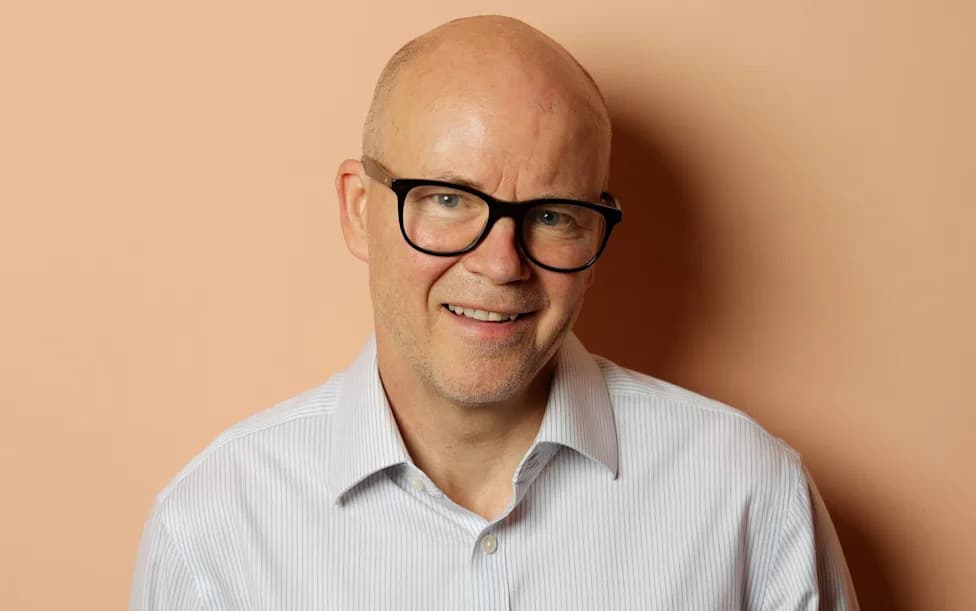
Lord Young: 'I think Burnham may actually turn out to be worse than Keir Starmer in terms of free speech' - Clara Molden for The Telegraph
Toby Young, the journalist, author and Conservative peer who founded the Free Speech Union (FSU) in 2020, says his campaign against "cancel culture" springs from a deeply personal experience of being cancelled. Speaking from his west London home, Young reflects on the growth of the FSU, the lessons he has learned and why he believes public institutions are still too ready to punish speech they find objectionable.
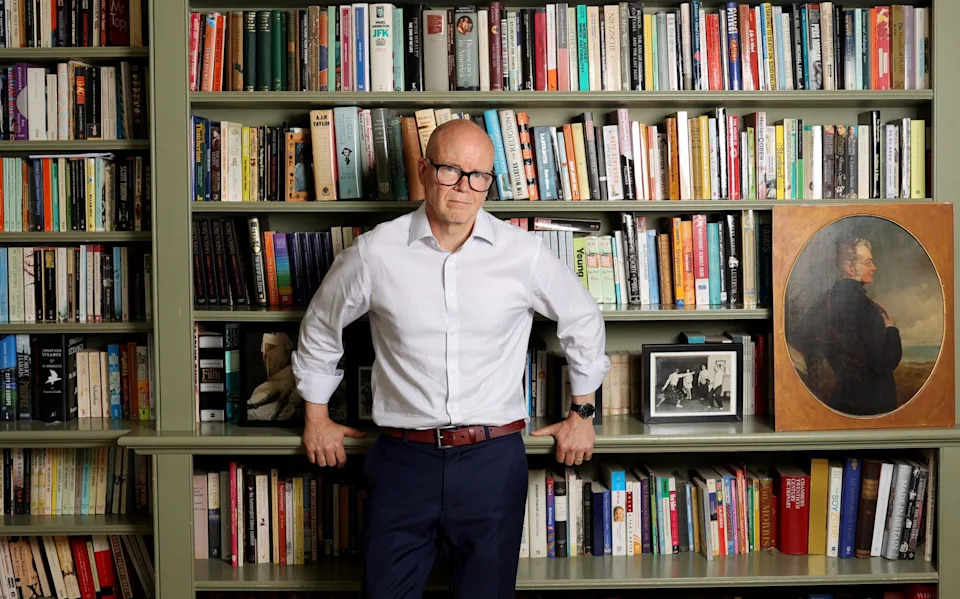
Young says his Free Speech Union now has more than 45,000 members and receives around 45 requests for help per week - Clara Molden
FSU Milestones and Mission
The Free Speech Union now claims more than 45,000 members and has handled in excess of 6,000 cases since its launch. Young says the organisation receives about 45 requests for help each week, and recently recorded a single-day high of 20 requests. The FSU offers advice, legal referrals and public advocacy for people disciplined or dismissed over speech-related incidents, and Young emphasises that the threat of legal action or a regulator complaint often persuades institutions to back down.
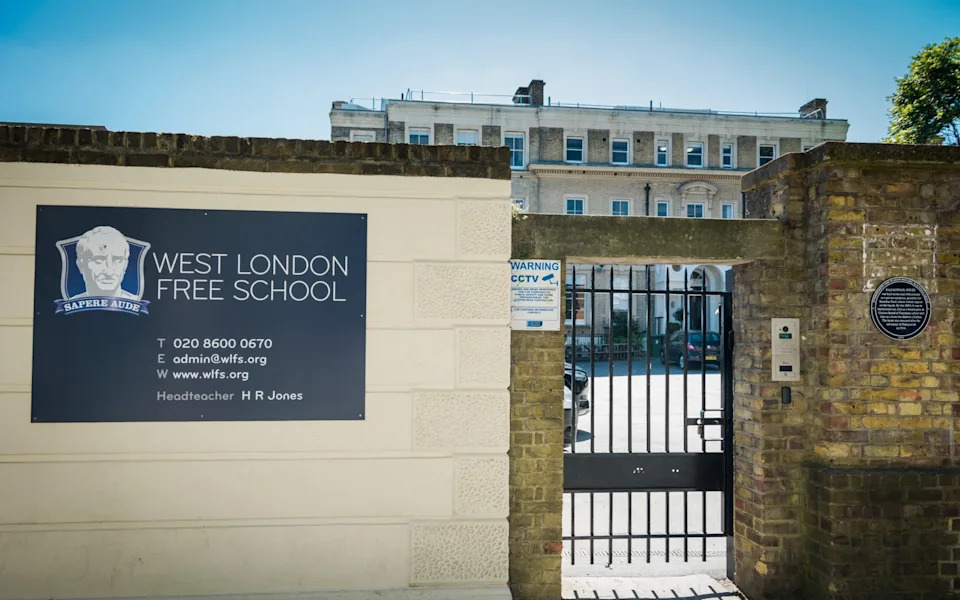
Young co-founded the West London Free School, the first of a new type of state school independent of local authorities, in 2011 - Benjamin John/Alamy
From Cancellation to Campaigning
Young traces the FSU's origin to his own public cancellation in 2018, after old tweets and articles were dredged up when he was nominated to the board of the Office for Students. He says the backlash cost him five positions and halved his income. More painful than the financial hit, he adds, was the way a caricature of him threatened to overwhelm the record of his work and to affect his family.
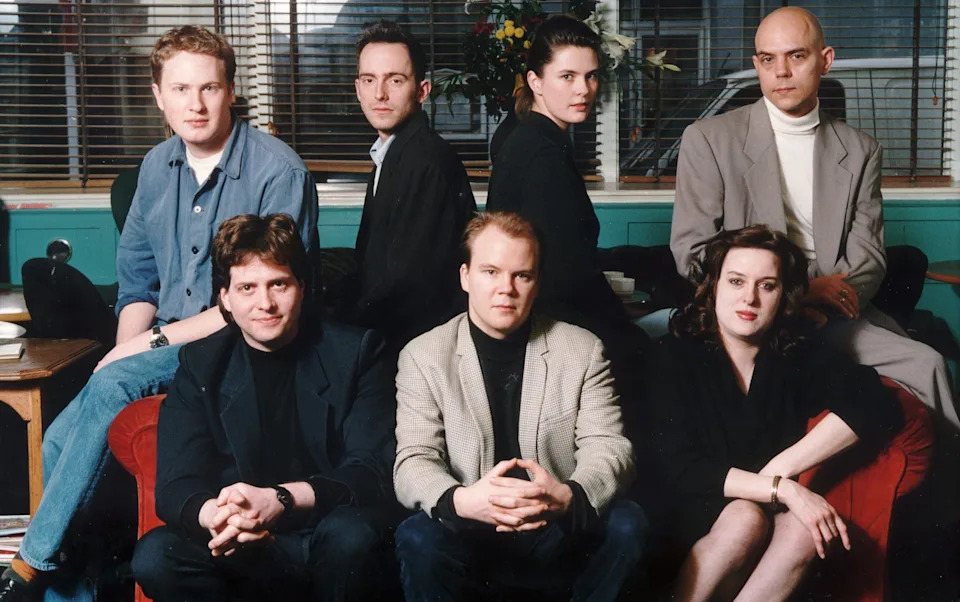
Young (front, centre) next to Modern Review co-founders Cosmo Landesman and Julie Burchill, alongside the rest of the editorial team in 1992 - Keith Waldegrave/Mail On Sunday/Shutterstock
"When you've been a professional journalist for 35-plus years, it's not going to be hard for the offence archaeologists to find things to shame you," Young says.
What the FSU Does — And Doesn't — Defend
Young stresses the FSU is viewpoint-neutral and will defend people across the political spectrum if the case concerns free expression rather than wrongdoing. The union has intervened in many high-profile matters, including the cases of Kristie Higgs (dismissed after sharing Facebook posts critical of elements of LGBT education), Carl Borg-Neal (a bank manager who used the N-word in a hypothetical example during training) and the controversies surrounding comedian Graham Linehan. Young also cites recent prosecutions and complaints — such as the case of Heather Herbert at Aberdeen University — as evidence of what he calls an unforgiving culture.
Transgender university worker Heather Herbert, above, has been charged over a social media post hoping Ann Widdecombe had a 'painful death'
At the same time, the FSU sets clear limits. It will not defend threats, intimidation, racially abusive behaviour, or criminal conduct such as conspiring to commit property damage; Young cites the union's refusal to represent Laurence Fox in a criminal matter as an example.

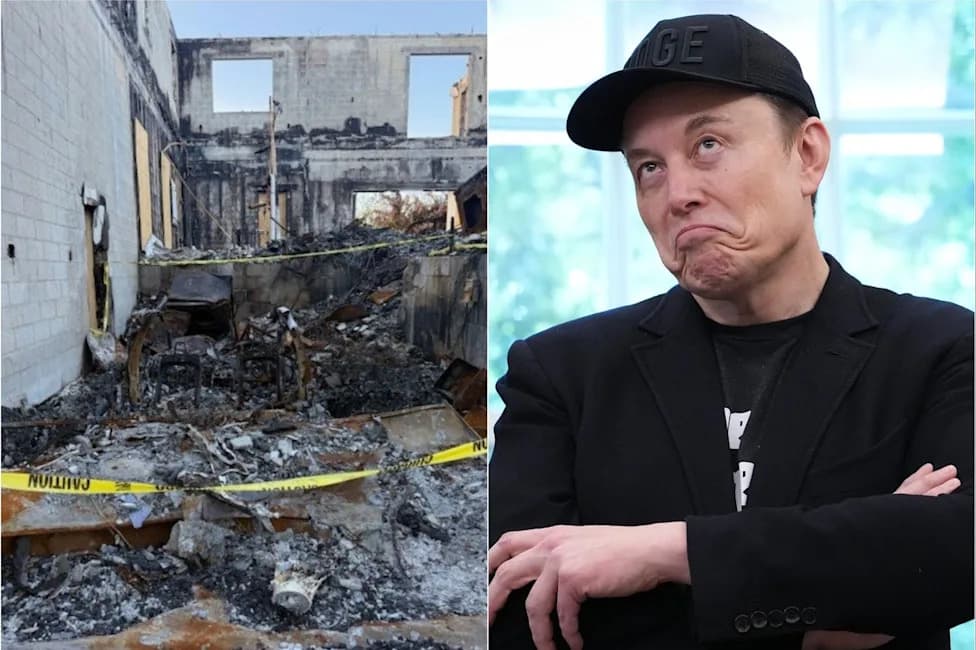
Young is pleased with the way Twitter has changed since it was bought by Elon Musk in 2022 - Gonzalo Fuentes/Reuters
Patterns and Priorities
Young says sex and gender disputes form the single largest category of cases (about 37%), and that a striking 99% of those involve women disciplined for defending single-sex spaces — many of whom he adds identify as left-leaning. He also shares a tactical observation he has learned running the FSU: apologising often makes matters worse, because it signals acceptance of the attackers' moral authority and invites further demands.
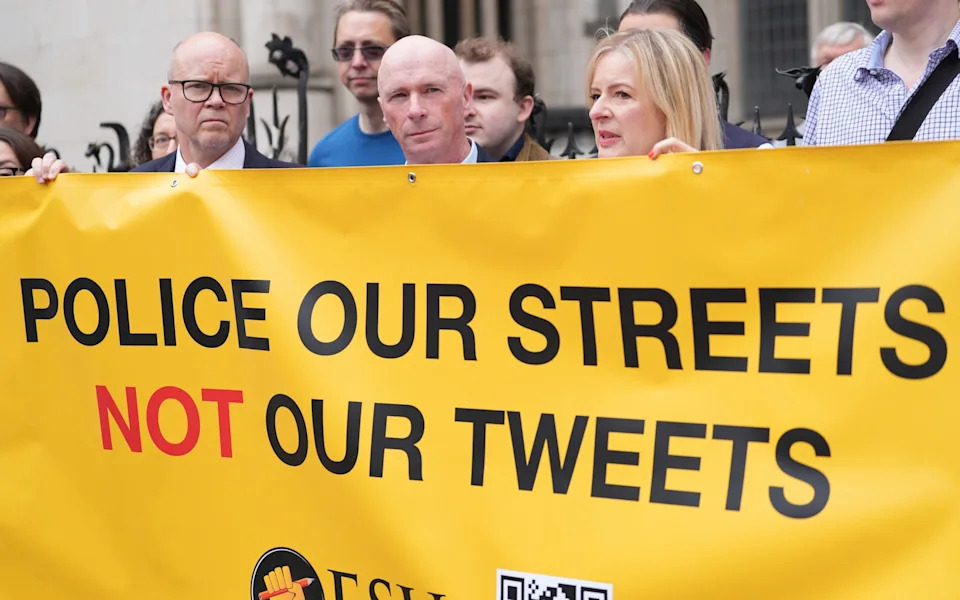
Protesting outside the Royal Courts of Justice with The Telegraph's Allison Pearson, May 2025 - Yui Mok/PA Wire
Politics, Peerages and Free-Speech Risks
Young expresses worry about future political measures that could be used to punish public figures. He opposes the proposed Removal of Peerages Bill, arguing that a vague, low threshold for stripping honours could be weaponised for political ends — and potentially used against him.
Outlook
Despite some shifts in public debate and a perceived softening in parts of the media, Young believes many workplaces, especially in the public sector, have doubled down on orthodoxies around topics such as immigration, gender and diversity policy. He remains convinced the FSU has a continuing role to play defending legitimate expression, while drawing a line at intimidation and criminality.
Illustrative Cases Mentioned: Kristie Higgs; Carl Borg-Neal; Graham Linehan; Heather Herbert. FSU staff: approximately 28 members.
Help us improve.