The CDC has advised consumers to avoid shredded iceberg lettuce at Taco Bell locations in five states amid a cyclospora outbreak traced to a single supplier linked to central Mexico. Taylor Farms says it will remove iceberg lettuce sourced from central Mexico, and Taco Bell has stopped using lettuce from the identified supplier. Experts say short-term shifts in demand for perishable produce can move local prices, but broad, sustained grocery-price spikes are unlikely. Michigan has reported more than 5,000 cases, and the CDC notes the true national case count is likely higher.
Could the Cyclospora Outbreak Raise Grocery Prices? What Shoppers Need To Know
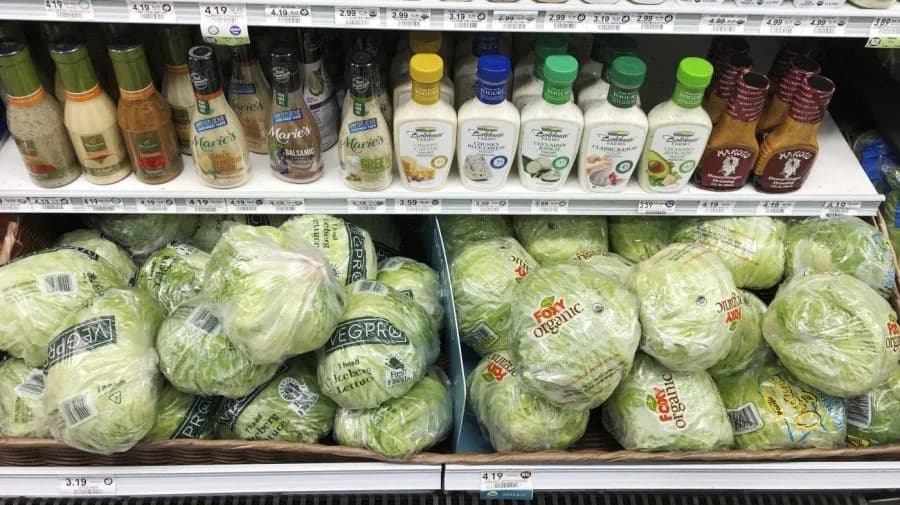
Could the ‘explosive diarrhea’ parasite affect grocery prices?
Health officials are investigating a cyclospora outbreak linked to shredded iceberg lettuce served at Taco Bell restaurants in five states and are weighing whether the incident could ripple into supermarket produce prices.
What Happened
The Centers for Disease Control and Prevention (CDC) has urged consumers to avoid shredded iceberg lettuce at Taco Bell locations in Indiana, Kentucky, Michigan, Ohio and West Virginia. Investigators traced the implicated lettuce to a single supplier in Mexico; a federal official told The Associated Press the supplier is Taylor Farms of Salinas, California. Taylor Farms has said it will voluntarily remove iceberg lettuce sourced from central Mexico that is sold in the U.S.
Health Impact
Cyclospora is a microscopic, foodborne parasite that can cause severe, sometimes explosive, diarrhea. The outbreak has sickened thousands of people across more than 30 states. Michigan has been especially hard hit, reporting more than 5,000 cases as of Friday—well above the state’s normal annual total. Health authorities caution that investigations are ongoing and not every recent illness may be linked to a single source.
Retail And Price Effects
Experts say uncertainty around food-safety events can change shopper behavior quickly, and because fresh produce is highly perishable, even modest shifts in demand can move prices locally or prompt discounts on specific items.
Because these goods are highly perishable, even modest demand shifts can move prices quickly, said David Ortega, food economist and professor at Michigan State University.
Ortega and other analysts say broad, sustained increases in overall grocery inflation are unlikely from a single-source event. Instead, price changes tend to be short-lived and focused on particular products or suppliers once investigators confirm the source.
Historically, when one lettuce variety is implicated, consumer concern can spill over to other leafy greens, said Phil Lempert, food industry analyst and editor of SupermarketGuru.com.
Advice For Consumers
The Food and Drug Administration (FDA) says Taco Bell has committed to stop using lettuce from the identified supplier. The FDA also cautioned that investigators may identify other brands, restaurants, retailers or distribution channels as the probe continues, but as of early Friday it had not advised consumers to avoid grocery-store produce.
The CDC recommends thoroughly washing fresh produce, while noting that washing alone may not reliably remove cyclospora. Cooking produce to at least 158 degrees Fahrenheit is more effective at killing the parasite. Anyone with persistent or severe diarrhea should seek medical advice; immunocompromised people may be at higher risk of complications.
Practical Tips
- Avoid shredded iceberg lettuce at Taco Bell locations in the five affected states until guidance changes.
- Check recall notices and restaurant advisories for updates from the CDC and FDA.
- Wash produce thoroughly and cook when appropriate; follow public-health guidance if symptoms develop.
As the investigation continues, shoppers should monitor official updates but avoid panic-driven decisions that could lead to unnecessary food waste or short-term market distortions.
Help us improve.